
Introduction
Your skin is your body’s largest organ and acts as a critical barrier between your internal systems and the external environment. Its primary role is to protect you from harmful pollutants, bacteria, UV rays, and harsh weather conditions. But for your skin to fulfill this vital function, it needs a healthy and intact barrier.
Many individuals ask how to repair skin barrier once it gets harmed. Whether due to over-exfoliation, exposure to pollution, or harsh skincare products, a compromised skin barrier can cause discomfort and affect your overall skin health. Learning how to repair skin barrier is essential for anyone seeking to restore skin’s natural resilience, improve hydration, and achieve a radiant complexion.
In this comprehensive guide, we’ll explore what is the skin barrier, signs of damage, common causes, and how damage occurs at a biological level. Plus, you’ll find practical advice on how to repair skin barrier effectively using the right ingredients, routines, and products available in the market.
Table of Contents
What Is the Skin Barrier?
The Outermost Layer of Your Skin
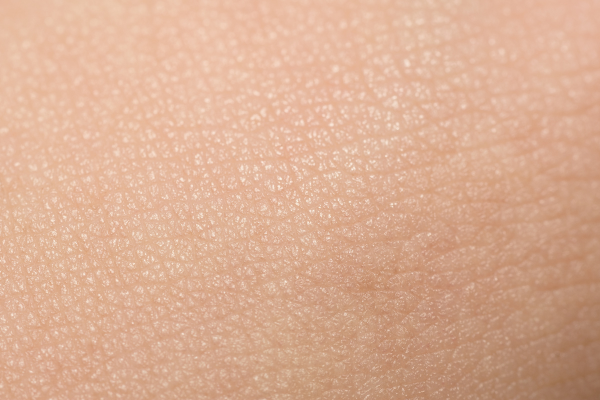
The outermost part of your skin, known as the stratum corneum, is what we call the skin barrier. It is composed of dead skin cells and lipids (fats) that are tightly packed together, forming a protective shield. This barrier is crucial because it helps prevent water loss, keeping your skin hydrated and plump. It also acts as a shield against environmental insults, such as bacteria, pollution, and UV rays.
Role of the Skin Barrier in Protecting Against Environmental Harm
Your skin barrier’s main function is to serve as a defense system. It prevents harmful substances from penetrating deep into your skin while retaining essential moisture. When the skin barrier is healthy, it feels soft, smooth, and resilient.
How a Healthy Skin Barrier Looks and Feels
- Smooth and even texture
- Soft and supple to touch
- No redness or irritation
- Well-hydrated and plump appearance
- Resistant to external stressors
Conversely, if your skin feels tight, looks dull, or reacts easily to products or environmental factors, it might be a sign that your skin barrier needs how to repair skin barrier.
Signs of a Damaged Skin Barrier
Recognizing the signs of skin barrier damage is essential for taking timely action. The sooner you identify the problem, the easier it becomes to implement effective solutions.
Dryness, Redness, and Irritation
When your skin barrier is compromised, it cannot retain moisture properly. This leads to dryness, flakiness, and redness. You might notice your skin feels tight or itchy, which are common indicators of barrier damage.
Increased Sensitivity
When your skin barrier is hurt, your skin can become more sensitive and reactive. You may experience burning sensations or irritation when using skincare products that previously didn’t cause problems. This heightened sensitivity is a clear sign that how to repair skin barrier should be prioritized.
Breakouts and Dullness
When the skin barrier is weak, germs and irritants can penetrate further, causing skin problems like breakouts. Additionally, the skin may appear dull or lack radiance due to poor moisture retention and flaky patches.
Tightness and Flakiness
Persistent tightness or flaky patches are often signs that your skin’s moisture barrier has been compromised. These symptoms indicate a need for how to repair skin barrier to restore hydration and resilience.
Common Causes of Skin Barrier Damage
Understanding what causes damage to the skin barrier is crucial for preventing future harm and knowing how to repair skin barrier effectively.
Over-exfoliation (Chemical and Physical)
One of the most common reasons for barrier impairment is over-exfoliation. Using physical scrubs aggressively or applying chemical exfoliants like alpha hydroxy acids (AHAs) or beta hydroxy acids (BHAs) excessively can strip away the natural oils and lipids that form the skin’s protective layer. This can leave your skin vulnerable to irritants and moisture loss.
Harsh Skincare Products (Alcohol, Fragrances)
Many skincare products contain ingredients like alcohol, artificial fragrances, or preservatives that can irritate sensitive skin. Regular use of such products gradually weakens the skin’s natural barrier, making it more prone to redness, dryness, and sensitivity.
Excessive Washing or Scrubbing
Washing your face too often or using hot water and rough scrubs can strip away the vital lipids that keep the skin barrier intact. This leads to increased trans-epidermal water loss and makes the skin more susceptible to environmental damage.
Environmental Factors (Pollution, UV Exposure)
Pollution particles and UV rays generate oxidative stress, which damages the lipid matrix of the skin barrier. This results in increased inflammation, dullness, and premature aging signs. Over time, these environmental stressors weaken the barrier’s integrity.
Stress and Poor Diet
Chronic stress affects the body’s ability to produce necessary lipids and antioxidants needed for skin repair. An unbalanced diet lacking in omega fatty acids, antioxidants, and vitamins can impair skin health, slowing how to repair skin barrier.
Medical Conditions (Eczema, Psoriasis)
Certain skin conditions, such as eczema and psoriasis, inherently involve a damaged or compromised skin barrier. These conditions require targeted treatments and consistent skincare routines focused on how to repair skin barrier.
Use of Certain Medications
Some medications, especially topical or oral treatments for acne or other skin issues, can temporarily weaken the barrier. It’s important to follow medical advice and incorporate barrier-strengthening products during treatment.
Understanding How Damage Occurs: The Science
The Science Behind Barrier Breakdown
The outermost layer of the skin contains ceramides, cholesterol, and fatty acids that form a protective lipid matrix. When exposed to external stressors like pollution, UV rays, or harsh chemicals, this lipid matrix becomes disrupted. The result is increased water loss and vulnerability to irritants.
Disruption of Lipids and Moisture Loss
When the skin’s lipids are depleted or damaged, the skin cannot retain moisture properly. This leads to dryness, flakiness, and increased sensitivity. The skin’s natural repair process is slowed, making it harder to restore health without targeted intervention.
How to Repair Skin Barrier
The key to how to repair skin barrier lies in replenishing lost lipids, strengthening the skin’s natural defenses, and avoiding further damage. Using products with ceramides, fatty acids, and humectants like hyaluronic acid can help rebuild the barrier.

Main Reasons Skin Barriers Break and Their Effects on Your Skin
| Cause | Effect on Skin Barrier | Symptoms |
|---|---|---|
| Over-exfoliation | Strips natural oils, weakens barrier | Redness, sensitivity, dryness |
| Harsh skincare products | Dissolves protective lipids | Irritation, flakiness |
| Pollution & UV rays | Induces oxidative stress | Dullness, premature aging |
| Stress & Poor diet | Reduces skin’s ability to repair | Breakouts, dull skin |
| Medical conditions | Chronic barrier impairment | Persistent dryness, irritation |
This detailed overview gives you a clear understanding of what is the skin barrier, how it gets damaged through various causes, and how damage occurs scientifically. It emphasizes the importance of how to repair skin barrier by addressing these underlying issues.
Effective Strategies to Repair Your Skin Barrier
The health of your skin largely depends on the strength of its barrier. When this barrier is compromised, your skin becomes more sensitive, dry, irritated, and prone to breakouts. Learning how to repair skin barrier is essential for maintaining healthy, radiant skin. In this comprehensive guide, we will explore proven strategies to restore your skin’s protective layer, discuss key ingredients, share expert-recommended products, and offer lifestyle tips to ensure your skin remains resilient.
Understanding the Skincare Routine: The Foundation of Skin Barrier Repair
The first step in how to repair skin barrier is establishing a gentle and effective skincare routine. Many people unknowingly damage their skin barrier through harsh cleansers, over-exfoliation, or aggressive skincare products. To repair the skin barrier, focus on routines that prioritize nourishment, hydration, and protection.
Gentle Cleansing
One of the most crucial elements in how to repair skin barrier is choosing a gentle, hydrating cleanser. Harsh soaps or scrubs strip away natural oils, weakening the barrier. Look for cleansers formulated with ceramides or hyaluronic acid, as these ingredients help preserve and restore the barrier while cleansing.
Importance of Gentle Cleansing
Gentle cleansing removes dirt, oil, and impurities without disrupting the skin’s natural protective layer. For how to repair skin barrier, avoid using hot water or abrasive scrubs that can further damage delicate skin. Instead, opt for lukewarm water and mild formulas designed specifically for sensitive or compromised skin.
Use of Barrier-Repairing Ingredients
Incorporating specific ingredients into your skincare routine is vital for how to repair skin barrier. These ingredients work to restore lipids, reinforce the skin, and improve moisture levels.
Ceramides
Ceramides are naturally occurring lipids in the skin that form the backbone of a healthy skin barrier. Using products rich in ceramides is one of the most effective ways to how to repair skin barrier. They help restore the lipid matrix, reducing transepidermal water loss (TEWL) and preventing irritants from penetrating.
Hyaluronic Acid
Hyaluronic acid is a powerful humectant that attracts water into the skin, providing essential hydration. Proper hydration is crucial for how to repair skin barrier, as dry skin weakens the protective layer.
Fatty Acids (Omega-3, Omega-6)
Essential fatty acids support the lipid barrier, improve skin elasticity, and reduce inflammation. Incorporate products containing omega fatty acids for a comprehensive approach to how to repair skin barrier.
Niacinamide
This versatile ingredient strengthens the skin’s barrier, reduces redness, and soothes irritation. It also enhances the production of ceramides, supporting how to repair skin barrier.
Squalane
A stable, plant-derived oil that mimics skin’s natural oils, squalane provides deep moisture and helps repair the barrier without clogging pores.
Panthenol
Provitamin B5 promotes healing, soothes irritated skin, and enhances the skin’s ability to retain moisture, making it an excellent addition for how to repair skin barrier.
Best Products in the Market for Skin Barrier Repair
Picking the right skincare items can make how to repair skin barrier much simpler and easier for you. Here are some highly recommended options:
| Product Name | Key Benefits | Focus Ingredients |
|---|---|---|
| CeraVe Hydrating Facial Cleanser | Cleanses gently, restores barrier | Ceramides, Hyaluronic Acid |
| La Roche-Posay Lipikar Balm AP+ | Nourishes and repairs dry skin | Lipids, Niacinamide |
| The Ordinary Natural Moisturizing Factors + HA | Hydrates deeply, supports barrier | Amino acids, Hyaluronic Acid |
| Vaseline Petroleum Jelly | Seals in moisture, protects skin | Petrolatum |
| Paula’s Choice Omega+ Complex Serum | Supports barrier with omega fatty acids | Omega-3, Omega-6 |
Step-by-Step Guide to Repair Your Skin Barrier
Knowing how to repair skin barrier involves a consistent and mindful skincare routine. Here’s a simple step-by-step guide:
- Gentle cleansing: Use a mild, hydrating cleanser like CeraVe Hydrating Cleanser to remove impurities without stripping natural oils. Avoid harsh scrubs and hot water.
- Use of barrier-repairing products: Incorporate serums or creams enriched with ceramides, niacinamide, and fatty acids to rebuild the lipid matrix.
- Incorporate hydrating serums and oils: Serums containing hyaluronic acid or glycerin help boost moisture levels and support barrier repair.
- Regular moisturization: Seal in hydration with nourishing creams like La Roche-Posay Lipikar Balm AP+ or Vaseline Petroleum Jelly to prevent moisture loss.
- Protect from environmental stressors: Always apply a broad-spectrum SPF to shield your skin from UV rays and pollution, which can exacerbate barrier damage.
- Avoid over-exfoliating: Limit chemical or physical exfoliation to prevent stripping the skin’s natural barrier. If used, opt for mild exfoliants and space out usage.
Sample Skincare Routine for Repairing Skin Barrier
| Step | Product Type | Recommended Products | Purpose |
|---|---|---|---|
| Cleansing | Gentle cleanser | CeraVe Hydrating Cleanser | Remove dirt without stripping skin |
| Toning (optional) | Alcohol-free toner | Klairs Supple Preparation Toner | Balance pH, soothe skin |
| Serum | Hydrating & barrier-supporting | The Ordinary Hyaluronic Acid + B5 | Deep hydration |
| Moisturizer | Nourishing moisturizer | La Roche-Posay Lipikar Balm AP+ | Strengthen and repair barrier |
| Sun Protection | SPF 30+ Sunscreen | EltaMD UV Clear Broad-Spectrum SPF 46 | Protect from UV damage |
Lifestyle Tips for Better Skin Barrier Health
While skincare products are essential, lifestyle plays a major role in how to repair skin barrier effectively. Here are some crucial tips:
- Keep yourself well-hydrated: Drinking enough water keeps your skin moist and healthy from inside.
- Maintain a balanced diet: Incorporate foods rich in omega-3 and omega-6 fatty acids, antioxidants, and vitamins to support skin health.
- Manage stress: Chronic stress can impair skin barrier function; practices like yoga, meditation, or regular exercise help.
- Limit outdoor contact: Protect your skin from pollution, cold or hot weather, and harmful sun rays.
- Avoid smoking and excessive alcohol: Both can dehydrate the skin and weaken the barrier over time.
Advanced Treatments & Professional Options
Sometimes, home routines aren’t enough, especially if the skin barrier damage is severe. Consulting a dermatologist can provide tailored solutions, including:
- Prescription medications to reduce inflammation
- Professional skincare treatments like chemical peels or microdermabrasion
- Specialized therapies for chronic skin conditions like eczema or psoriasis

Long-term Maintenance & Prevention
Once your skin’s protective layer is healed, keeping it healthy is very important. Adjust your skincare routine regularly to match the changing seasons and what your skin needs. Avoid common pitfalls such as over-exfoliation or using irritating products. Consistency and patience are essential because how to repair skin barrier is a gradual process that requires ongoing care.
Final Tips & Encouragement
- Patience is essential; restoring your skin barrier takes time.
- Consistency with gentle skincare routines pays off.
- Seek professional advice if you notice persistent issues.
- Remember, a healthy skin barrier leads to better absorption of skincare products, fewer sensitivities, and a more radiant complexion.
Conclusion
Knowing how to repair skin barrier helps you take charge of your skin care. By adopting gentle cleansing routines, incorporating barrier-supporting ingredients, choosing the right products, and maintaining a healthy lifestyle, you can restore and strengthen your skin’s natural defense. With time, your skin will become more resilient, less irritated, and visibly healthier. Prioritize your skin’s barrier today—your future glow depends on it.
If you’re wondering “How to Repair Skin Barrier: Best Skincare Practices for Beginners”, this blog post is perfect for you. Learning how to repair skin barrier is essential for maintaining healthy, glowing skin. In this article, you’ll discover simple yet effective skincare practices tailored for beginners that help strengthen and restore your skin’s natural protective layer.
Understanding the importance of how to repair skin barrier can prevent common skin issues like dryness, irritation, and sensitivity. Dive into this comprehensive guide to learn the best tips and tricks on how to repair skin barrier and achieve radiant, resilient skin effortlessly.

Leave a reply