

Introduction
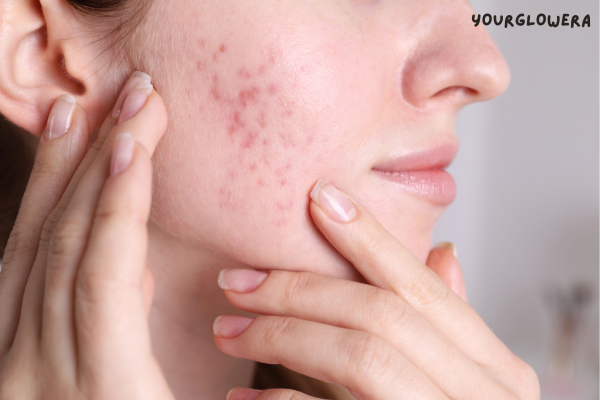
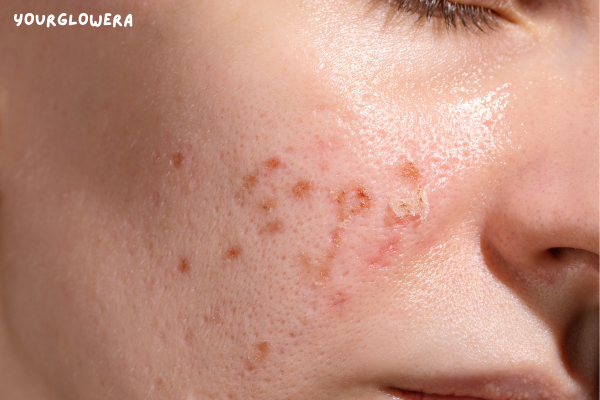
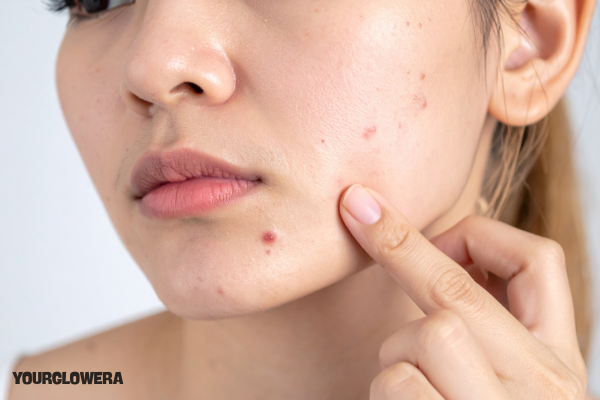
Everyone wishes for clear, radiant skin. But with so many skincare products available today, it can be tough to choose the right ones. Whether you’re new to skincare or want to improve your current routine, knowing what suits your skin is very important.
Skincare isn’t just about looking good; it’s a way to take care of yourself and feel confident. One of the most popular products for clearer skin is a face serum. Serums are filled with powerful ingredients designed to target specific skin problems, making them the best serum for clear skin and a useful part of any skincare plan.
In this simple guide, you’ll learn how to choose the best serum for clear skin. We’ll explain what a serum is, how to understand your skin type, and how to pick ingredients that work for you. By the end, you’ll know how to select the perfect serum to make your skin brighter, smoother, and clearer.
Table of Contents
What Is a Serum?
Definition and Purpose
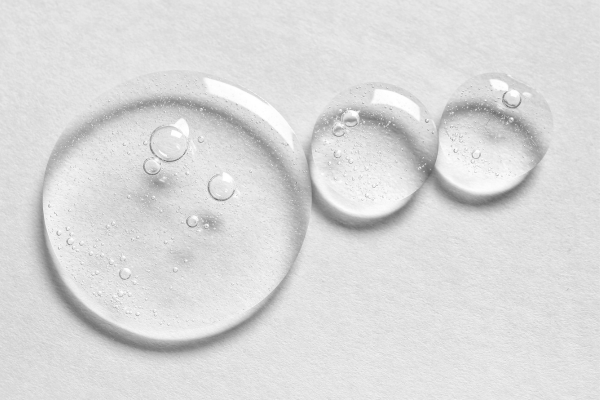
A serum is a skincare product that contains a high amount of active ingredients. It’s usually light and fast to absorb, so it can reach deep into your skin, making it the best serum for clear skin. Serums are made to treat specific skin issues like dullness, dark spots, pimples, or signs of aging.
How Serums Are Different from Creams and Lotions
Unlike creams or lotions that mainly add moisture and keep your skin hydrated, the best serum for clear skin focuses on delivering strong ingredients to fix particular problems. While a moisturizer might hydrate your skin, a serum contains higher amounts of ingredients like Vitamin C, niacinamide, or retinol for targeted help.
Serums are often thinner and water or oil-based, depending on what they are meant to do. Because they are lightweight, the best serum for clear skin sinks into the skin quickly and is usually used under moisturizers.
Benefits of Using a Face Serum
- Deep Penetration: Serums reach the deeper layers of your skin for better results.
- Targeted Treatment: They are made to address specific issues like uneven skin tone, dark spots, or fine lines.
- Strong Active Ingredients: You get a concentrated dose of helpful compounds.
- Light and Fast: They don’t feel heavy or greasy on your skin.
- Noticeable Results: Regular use can brighten dull skin, reduce spots, and improve texture.
Using the best serum for clear skin can boost your skincare routine, especially if you want glowing, flawless skin.
Why Is Picking the Right Serum Important?
Skin Types and Problems
Every person’s skin is different. The best serum for clear skin for someone with oily skin might not be the same for someone with dry or sensitive skin. Knowing your skin type and main concerns is very important for choosing the right serum.
- Dry Skin: Needs moisture and nourishment; look for ingredients like hyaluronic acid and glycerin—the best serum for clear skin.
- Oily Skin: Prone to pimples and large pores. Serums that include niacinamide or salicylic acid are among the best serums for clear skin and can assist in oil control and avoiding acne breakouts.
- Combination Skin: Has oily areas (like the T-zone) and dry or normal areas; use a balanced serum designed for mixed skin—the best serum for clear skin.
- Sensitive Skin: Easily irritated. Choose gentle ingredients like aloe vera and avoid harsh chemicals.
Why Choosing the Wrong Serum Matters
Picking the wrong serum can make your skin worse. For example:
- Using a retinol serum on sensitive skin without guidance might cause redness and peeling.
- Applying a hydrating serum with heavy oils on oily skin could clog pores.
- Serums with high alcohol content can dry out or irritate sensitive skin.
That’s why it’s very important to choose a serum made for your skin type and concerns.
Active Ingredients and How They Help
Active ingredients are what make a serum work. They target specific skin problems. For example:
- Vitamin C helps make dull skin glow and diminishes dark spots.
- Niacinamide reduces pore size and evens out skin tone.
- Hyaluronic acid provides deep hydration.
- Retinol boosts collagen and reduces fine lines.
- Salicylic acid clears pores and fights acne.
Knowing which ingredients help with your main skin issues will help you pick the best serum for clear skin.
Key Ingredients to Look for in a Serum for Clear Skin
Picking the right ingredients is key. Here are some of the best and most popular ingredients for bright, clear skin:
| Ingredient Type | Benefits | Common Examples |
|---|---|---|
| Brightening Agents | Make dull skin brighter, fade dark spots, add glow | Vitamin C, Niacinamide |
| Hydrating Ingredients | Keep skin moist, plump, and soft | Hyaluronic Acid, Glycerin |
| Exfoliating Acids | Remove dead skin, improve skin texture | AHA (Glycolic, Lactic Acid), BHA (Salicylic Acid) |
| Anti-Redness Ingredients | Calm skin, reduce redness and irritation | Aloe Vera, Tea Tree Oil |
| Anti-Aging Ingredients | Reduce fine lines, boost collagen, improve firmness | Retinol, Peptides |
Details on Key Ingredients
- Brightening Agents: Make dull skin brighter and fade dark spots. Examples include Vitamin C and Niacinamide.
- Hydrating Ingredients: Keep your skin moist and soft. Examples are Hyaluronic Acid and Glycerin.
- Exfoliating Acids: Remove dead skin cells and improve skin texture. Examples are Glycolic Acid, Lactic Acid, and Salicylic Acid.
- Anti-Redness Ingredients: Reduce redness and soothe irritated skin. Examples include Aloe Vera and Tea Tree Oil.
- Anti-Aging Ingredients: Help reduce fine lines and boost collagen. Examples include Retinol and Peptides.
By understanding these ingredients and their benefits, you can pick a serum that will help you get clear and glowing skin.
5. How to Identify Your Skin Type and Concerns
Before choosing the best serum for clear skin, you need to understand your skin type and main concerns.
Skin Types
- Dry Skin: Feels tight, flaky, or dull. Needs nourishing, hydrating serums.
- Oily Skin Type: It looks shiny, is prone to acne, and features enlarged pores. Benefits from oil-control and exfoliating serums.
- Combination Skin Type: Greasy in the T-zone and dry or normal on the rest of the face. Requires balanced formulations.
- Sensitive Skin: Easily irritated or red. Needs soothing, fragrance-free products.
Common Skin Concerns
- Acne and Blemishes: Look for salicylic acid, niacinamide, or tea tree oil.
- Dullness and Uneven Skin Tone: Brightening serums with Vitamin C or tranexamic acid.
- Pigmentation and Dark Spots: Ingredients like kojic acid, licorice extract, or vitamin C.
- Fine Lines and Wrinkles: Retinol, peptides, or antioxidants.
Understanding your skin’s unique needs helps you select the best serum for clear skin and ensures you get the desired results faster.
6. Top 5 Serums for Clear Skin in the Market
Here’s a list of some of the most popular and effective serums that are widely loved for their results and suitability for different skin types:
| Serum Name | Key Benefits | Main Ingredients |
|---|---|---|
| The Ordinary Niacinamide 10% + Zinc | Reduces blemishes, controls oil | Niacinamide, Zinc |
| Paula’s Choice 10% Niacinamide Booster | Evens skin tone, minimizes pores | Niacinamide, Antioxidants |
| L’Oreal Revitalift Vitamin C Serum | Brightens dull skin, antioxidant protection | Vitamin C, Hyaluronic Acid |
| Klairs Freshly Juiced Vitamin Drop | Brightening, reduces pigmentation | Vitamin C, Centella Asiatica |
| The Inkey List Hyaluronic Acid | Deep hydration, plumps skin | Hyaluronic Acid |
Factors to Consider When Picking Your Serum
- Skin Type Compatibility
Your skin type influences how your skin reacts to different ingredients and formulations. Using a serum designed for your specific skin type ensures better results and minimizes adverse reactions.
| Skin Type | Recommended Ingredients | Notes |
|---|---|---|
| Dry Skin | Hyaluronic Acid, Glycerin, Aloe Vera | Replenish moisture |
| Oily Skin | Niacinamide, Salicylic Acid | Oil control & pore minimize |
| Combination Skin | Versatile, lightweight serums | Balance needs |
| Sensitive Skin | Fragrance-Free, Soothing ingredients | Reduce irritation |
- Specific Skin Concerns
Identifying your main skin concerns helps you pinpoint the most effective ingredients and products. Here are some common issues and suitable serums:
| Concern | Recommended Serums | Key Ingredients |
|---|---|---|
| Dullness & Brightening | La Roche-Posay Vitamin C Serum | Vitamin C, Salicylic Acid |
| Acne & Blemishes | The Ordinary Salicylic Acid 2% | Salicylic Acid |
| Uneven Skin Tone | The Inkey List Tranexamic Acid Serum | Tranexamic Acid, Vitamin C |
| Signs of Aging | Olay Retinol Night Serum | Retinol, Peptides |
- Ingredient Preferences and Sensitivities
Some individuals prefer natural ingredients, while others prefer scientifically proven formulations. Reading product labels is essential:
- If you prefer natural options, look for serums with plant extracts like green tea, aloe vera, or rosehip oil.
- For targeted skin concerns, ingredients such as vitamin C for brightening, niacinamide for pore size, or retinol for anti-aging are highly effective.
- Be sure to look out for any allergens or irritants if your skin is easily affected. Fragrance-free and hypoallergenic serums are safer options.
- Budget Considerations
Serums are available at various prices, from budget-friendly drugstore brands to premium luxury choices. Keep in mind, paying more doesn’t always mean you’ll get better quality. Focus on the ingredients and reviews:
- Affordable serums with quality ingredients can be just as effective as expensive ones.
- Sometimes, investing in a well-reviewed product from a reputable brand pays off, especially if it addresses your specific concerns.
- Set a budget that aligns with your skincare goals and stick to it.
- Brand Reputation and Customer Feedback
Choosing products from established brands with positive feedback minimizes the risk of adverse reactions. Look for brands that:
- Are transparent about their ingredients.
- Share good feedback from users who have similar skin types.
- Have dermatologists or skincare experts backing their formulations.
Researching customer reviews and dermatologist recommendations can help you identify the best serum for clear skin in the market.
How to Incorporate Serum Into Your Skincare Routine
After choosing the right serum for clear skin, using it properly will help you get the best results.
Best Time to Apply Serum
Timing is key:
- Morning: Serums with antioxidants like vitamin C or niacinamide are ideal during the day, making them the best serum for clear skin as they protect your skin from environmental stressors such as pollution and UV rays.
- Night: Serums with retinol, exfoliating acids, or other active ingredients work best overnight, making them the best serum for clear skin as they enhance cellular regeneration while you sleep.
Application Tips
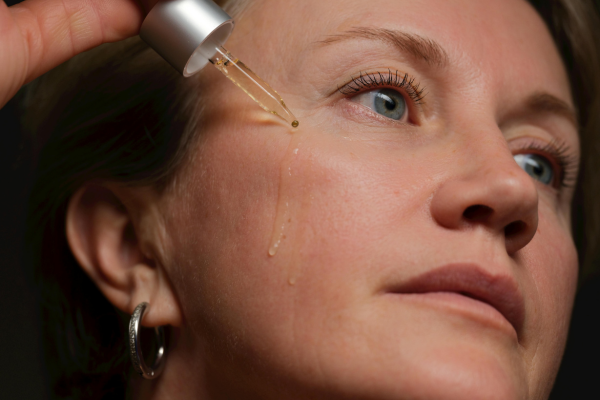
- Use a small amount, usually 2-3 drops, and gently pat onto your face and neck.
- Avoid rubbing vigorously, as gentle patting helps the serum penetrate deeper.
- Focus on areas with specific concerns, such as dark spots, uneven tone, or fine lines.
- Consistency is crucial. Use your serum at least once daily, preferably twice, for best results.
Combining Serums With Other Skincare Products
Serums are made to be combined with other skincare items for better results:
- After cleansing and toning: Apply your serum first, as it contains concentrated active ingredients.
- Follow with moisturizer: Lock in the serum’s benefits and hydrate your skin.
- Use sunscreen during the day: Protect your skin from UV damage, especially if your serum contains retinol or acids.
Pro tip: Avoid mixing incompatible active ingredients. For example, don’t use retinol and strong acids together unless advised by a dermatologist, as they can cause irritation, even when considering the best serum for clear skin.
Popular and Effective Serums for Different Skin Concerns
Here, we highlight some trusted serums tailored to common skin issues, along with their main ingredients, to help you find the best serum for clear skin:
| Skin Concern | Recommended Serum | Key Ingredients |
|---|---|---|
| Dullness & Brightening | La Roche-Posay Vitamin C Serum | Vitamin C, Salicylic Acid |
| Acne & Blemishes | The Ordinary Salicylic Acid 2% Solution | Salicylic Acid |
| Uneven Skin Tone | The Inkey List Tranexamic Acid Serum | Tranexamic Acid, Vitamin C |
| Anti-Aging | Olay Regenerist Retinol 24 Night Serum | Retinol, Peptides |
Tips for Picking the Best Serum for Clear Skin
Choosing the right serum is very important for your skin. Here are some simple tips:
- Know your skin type and needs: Whether you want to brighten, hydrate, fight aging, or control oil, choose the best serum for clear skin made for those needs.
- Check ingredients: Look for key ingredients like Vitamin C, niacinamide, hyaluronic acid, retinol, or peptides in the best serum for clear skin, and avoid ingredients that might irritate sensitive skin.
- Test new products: Before using the best serum for clear skin on your whole face, do a patch test on your wrist or behind your ear to see if you have any reactions.
- Ask a skin expert: If you have special skin concerns like severe acne, redness, or pigmentation, see a dermatologist for advice on the best serum for clear skin.
Final Tips for Using Serums Well
To get the best results from your serums, follow these simple tips:
- Be consistent: Use your serums every day, ideally twice a day, to see real changes.
- Apply in the right order: Once you’ve cleaned and toned your skin, start with applying the best serum for clear skin, then use moisturizers and sunscreens.
- Patch test before switching: Always test new serums first to avoid any skin reactions.
- Combine with moisturizers and sunscreen: The best serum for clear skin works better when paired with good moisturizers and sun protection.
- Store properly: Keep your serums away from direct sunlight and heat to keep them effective.
Summary
Selecting the best serum for clear skin is an essential step in building an effective skincare routine. The key is understanding your skin type, identifying your main concerns, and choosing the best serum for clear skin that targets those issues. Whether you want brighter skin, a clearer complexion, or anti-aging benefits, there’s a serum designed for you.
Proper application and consistent use amplify results, so incorporate your serum correctly—whether in the morning or at night—and layer it appropriately with other skincare products. Remember, patience is vital; visible results with the best serum for clear skin take time, especially when targeting stubborn skin issues.
In the next part of this guide, we’ll explore how to choose the perfect serum based on your specific skin needs, along with tips for maintaining clear, healthy skin over the long term. Stay tuned!
If you’re wondering, “Night vs. Day: When Is the Best Time to Apply the Best Serum for Clear Skin?” be sure to read my blog post on this topic. Understanding the optimal time to apply the best serum for clear skin can make a significant difference in your skincare routine.
In this post, I discuss whether nighttime or daytime application yields better results, helping you achieve a radiant complexion. Don’t miss out on these valuable tips about when to use the best serum for clear skin to maximize its benefits and enjoy healthier, glowing skin every day.