
Introduction
In today’s fast-paced world, skincare routines are evolving, with more people seeking natural, safe, and effective products. The rise of natural skincare trends is driven by a desire to avoid synthetic chemicals and embrace products rooted in nature. Among the many ingredients gaining popularity, shea butter stands out as a versatile and highly beneficial option for skin nourishment.
Shea butter face moisturizer has become a staple in many skincare routines because it offers deep hydration, repair properties, and gentle care suitable for various skin types. Whether you have dry, oily, sensitive, or combination skin, choosing the right shea butter product can significantly improve your skin’s health and appearance.
This comprehensive guide aims to inform you about what shea butter is, its benefits, and how to select the best shea butter face moisturizer tailored to your unique skin needs. By understanding the key factors, you can confidently incorporate shea butter into your skincare routine and enjoy radiant, healthy skin.
Table of Contents
What is Shea Butter?
Definition and Origin
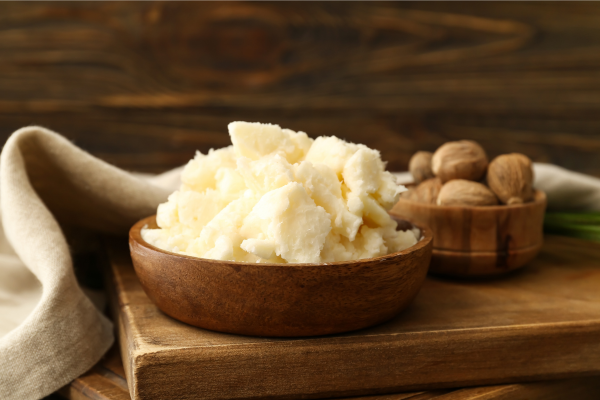
The fat known as shea butter is naturally derived from the nuts of the shea tree, scientifically named Vitellaria paradoxa. This tree primarily grows in Africa, particularly in countries like Ghana, Burkina Faso, Nigeria, and Mali. For centuries, shea butter has been used in traditional African skincare, medicine, and cooking.
The process of obtaining shea butter involves harvesting mature shea nuts, which are then roasted, crushed, and kneaded to extract the oil. This oil is then refined, filtered, or left raw (unrefined) depending on the desired quality and application.
How Shea Butter is Produced
The production process varies slightly based on whether the shea butter is refined or unrefined:
| Type | Description | Advantages | Disadvantages |
|---|---|---|---|
| Unrefined Shea Butter | It is cold-pressed directly from raw nuts, retaining most of its natural nutrients, aroma, and color. | Rich in natural antioxidants and vitamins | Gentle aroma, shorter usability time, could have minor impurities |
| Refined Shea Butter | It undergoes additional processing, including bleaching and deodorizing, which results in a lighter color and scent but slightly reduces its nutritional content. | Longer shelf life, neutral scent, visually appealing | Slightly fewer nutrients, potential chemical residues |
Nutritional Components of Shea Butter
Shea butter is rich in essential nutrients that make it an ideal face moisturizer:
| Component | Benefit |
|---|---|
| Vitamins A, E, and F | These vitamins act as powerful antioxidants that support skin renewal, fight harmful free radicals, and enhance skin flexibility. Vitamin A is especially beneficial for skin repair, while vitamins E and F help maintain moisture and protect against environmental damage. |
| Fatty Acids | Shea butter contains oleic acid (omega-9), stearic acid, and linoleic acid, which contribute to its emollient and anti-inflammatory properties. These fatty acids help restore the skin’s lipid barrier, preventing moisture loss and soothing irritated skin. |
Types of Shea Butter (Refined vs. Unrefined)
| Type | Description | Advantages | Disadvantages |
|---|---|---|---|
| Unrefined Shea Butter | Cold-pressed, minimal processing, retains natural scent and nutrients | Rich in natural antioxidants and vitamins | Gentle aroma, shorter usability time, could have minor impurities |
| Refined Shea Butter | Processed to remove odor, color, and impurities | Longer shelf life, neutral scent, visually appealing | Slightly fewer nutrients, potential chemical residues |
Choosing between refined and unrefined shea butter depends on your personal preference and skin needs. For face moisturizer, unrefined shea butter is often preferred because it maintains the full spectrum of natural benefits.
Benefits of Shea Butter for Skin
Deep Moisturization
One of the primary reasons shea butter is revered in skincare is its ability to provide deep, long-lasting hydration. Its rich fatty acid content creates a barrier on the skin’s surface, preventing moisture loss and leaving the skin feeling soft and supple. This makes it an excellent shea butter face moisturizer for dry or flaky skin, especially during harsh weather conditions.
Anti-inflammatory Properties
Shea butter contains compounds like cinnamic acid that reduce inflammation and soothe irritated skin. This makes it highly suitable for individuals with sensitive skin or skin conditions such as eczema, psoriasis, or dermatitis. Regular application can help calm redness, swelling, and itching.
Rich in Antioxidants
Free radicals—unstable molecules caused by pollution, UV rays, and aging—are responsible for skin damage and premature aging. Shea butter’s antioxidants neutralize these harmful molecules, helping to slow down aging signs like fine lines and wrinkles, and promoting a brighter, more youthful complexion.
Skin Healing and Regeneration
Shea butter promotes skin cell regeneration, helping to heal scars, blemishes, and minor cuts more quickly. It supports the skin’s natural healing process, making it effective for post-surgical recovery or for reducing the appearance of scars and stretch marks.
Suitable for Sensitive Skin
Because shea butter face moisturizer is a natural ingredient with anti-inflammatory and soothing properties, it is generally safe for sensitive skin. However, it’s important to choose pure, high-quality shea butter and test new products cautiously.
Additional Benefits
- Protection against environmental stressors: Shea butter forms a protective barrier that shields skin from harsh environmental elements like wind, cold, and pollution.
- Balances oil production: For oily skin, shea butter helps regulate sebum production without clogging pores.
- Anti-aging effects: Its vitamins and antioxidants promote collagen synthesis, improving skin elasticity and reducing wrinkles.
Different Forms of Shea Butter Face Moisturizer
Shea butter is used in various skincare formulations, each tailored to specific needs and preferences:
| Product Type | Description | Best For |
|---|---|---|
| Shea Butter Lotion | A lightweight, quickly absorbed moisturizer suitable for daily use on face and body. | Those who prefer a non-greasy feel but still want nourishing benefits. |
| Shea Butter Cream | Richer, more emollient, ideal for very dry or mature skin. | Repair and hydrate severely dehydrated skin. |
| Shea Butter Face Moisturizer | Specifically formulated for facial skin, often combined with other beneficial ingredients. | Addressing specific concerns like aging, acne, or sensitivity. |
| Shea Butter Body Butter | Thick and concentrated, providing deep nourishment for dry, rough areas. | Suitable for body skin, can also be used on face if formulated properly. |
Why Choosing the Right Shea Butter Face Moisturizer Matters
Impact on Skin Health
Using an appropriate shea butter face moisturizer suited to your skin type optimizes hydration, enhances skin barrier function, and promotes overall skin health. It helps maintain a youthful glow and prevents premature aging caused by environmental stressors.
Avoiding Adverse Reactions
Selecting the wrong product can lead to clogged pores, breakouts, or irritation. For example, heavy shea butter formulations may be unsuitable for oily skin, while fragranced products might cause sensitivity in delicate skin.
Enhancing Your Skincare Routine
A well-chosen shea butter face moisturizer complements other skincare steps, such as cleansing, toning, and applying serums. It acts as the final layer of protection, locking in active ingredients and ensuring sustained hydration.
Knowing Your Skin Type: The First Step to Healthy Skin
Before selecting a shea butter face moisturizer, it’s vital to understand your skin’s unique characteristics. Your skin type influences how it reacts to ingredients, textures, and formulations.
Normal Skin
- Characteristics: Balanced, with a healthy appearance, minimal oiliness or dryness, smooth texture, and even tone. The pores don’t seem bigger, and the skin usually isn’t easily irritated.
- Skincare Needs: Light, non-greasy moisturizers that maintain the skin’s natural balance. Products with minimal additives work well to keep skin hydrated without overloading.
Oily Skin
- Characteristics: Excess sebum production, enlarged pores, shiny appearance, prone to blackheads and acne.
- Skincare Needs: Non-comedogenic, oil-free, lightweight shea butter formulations that hydrate without clogging pores. Look for products labeled “oil-free” or “non-acnegenic.”
Dry Skin
- Characteristics: Texture concerns like tight feeling, dry flakes, lack of shine, tiny lines, and rough areas. Often feels uncomfortable or itchy.
- Skincare Needs: Rich, deeply hydrating shea butter face moisturizer or lotions with high emollient content. Layering with hydrating serums enhances moisture retention.
Combination Skin
- Characteristics: Oily in the T-zone (forehead, nose, chin) and dry or normal on cheeks and other areas.
- Skincare Needs: Balanced formulations targeting oily zones without over-moisturizing dry areas. Using different products for different zones can be highly effective.
Sensitive Skin
- Characteristics: Prone to redness, irritation, burning, or itching. Easily reacts to harsh ingredients.
- Skincare Needs: Fragrance-free, hypoallergenic shea butter products with gentle formulations. Patch testing before full application is recommended.
Factors to Consider When Selecting a Shea Butter Face Moisturizer
Once you understand your skin type, the next step is to evaluate specific product features. Here are the most critical factors to consider:
1. Ingredient Purity and Quality
| Tips |
|---|
| Opt for pure, high-quality shea butter — preferably unrefined, cold-pressed, and organic. |
| Check that the product contains minimal fillers, preservatives, or chemicals. Natural formulations are gentler and more effective. |
| Avoid shea butter face moisturizer with artificial fragrances, parabens, sulfates, or synthetic dyes, especially for sensitive skin. |
2. Formulation: Lightweight vs. Rich
| Tips |
|---|
| Light formulas work well for skin that is oily or prone to acne. They absorb quickly and don’t clog pores. |
| Rich, emollient creams suit dry or mature skin, providing intense hydration and support for skin repair. |
| Consider your daily routine, climate, and skin needs to choose the formulation that feels comfortable and effective. |
3. Additional Beneficial Ingredients
| Ingredients to Look For | Benefits |
|---|---|
| Hyaluronic acid | Excellent for locking in moisture, especially for dry or aging skin. |
| Vitamin C | Brightening and antioxidant properties, suitable for dull skin. |
| Essential oils | Such as lavender or tea tree, adding aromatherapy benefits but should be used cautiously if you have sensitivities. |
| Niacinamide | Supports control of oil levels and strengthens the skin’s protective barrier. |
4. Packaging and Preservation
| Tips |
|---|
| Sealed, non-transparent jars keep natural ingredients fresh by stopping air exposure and dirt from getting in. |
| Tubes or pump bottles are more hygienic than jars, especially for face products. |
| Always verify the expiration dates and steer clear of items with uncertain shelf life. |
5. Texture and Absorption
| Tips |
|---|
| For daily use, choose a light lotion or gel-based shea butter that absorbs quickly without leaving a greasy residue. |
| Rich creams are suitable for overnight or targeted use but should still feel comfortable on the skin. |
6. Price and Brand Reputation
| Tips |
|---|
| While higher price doesn’t always guarantee quality, investing in reputable brands with transparent sourcing and manufacturing practices can ensure better safety and efficacy. |
| Read reviews and seek products with positive feedback from users with similar skin types. |
Matching Shea Butter Face Moisturizer to Skin Types: Practical Tips
Normal Skin: The Balanced Approach
| What to look for: |
|---|
| Light, non-greasy formulations with minimal additives. |
| Shea butter products with natural oils or extracts that enhance radiance. |
| Tips: |
|---|
| Use daily, morning and night. |
| Look for products with a balance of shea butter and hydrating ingredients like glycerin or aloe vera. |
Oily Skin: Keep It Light
| What to look for: |
|---|
| Non-comedogenic, oil-free, or gel-based shea butter face moisturizer. |
| Ingredients like witch hazel or tea tree oil for additional control. |
| Tips: |
|---|
| Apply sparingly, focusing on areas prone to oiliness. |
| Apply after cleaning and balancing your skin to help control oil and shine. |
| Avoid heavy creams or formulations with mineral oils. |
Dry Skin: Deep Hydration
| What to look for: |
|---|
| Thick, rich shea butter face moisturizer or balms packed with emollients. |
| Incorporate hydrating ingredients like hyaluronic acid or glycerin for added moisture. |
| Tips: |
|---|
| Apply generously after cleansing, especially at night. |
| Layer with hydrating serums or oils for maximum effect. |
| Use during colder months or in dry climates to prevent moisture loss. |
Sensitive Skin: Gentle and Fragrance-Free
| What to look for: |
|---|
| Fragrance-free, hypoallergenic shea butter products. |
| Minimal ingredients to reduce the risk of irritation. |
| Tips: |
|---|
| Try a small amount of new products on a tiny skin patch first before full use. |
| Do not choose items with fragrances or essential oils unless you know they are safe for sensitive skin. |
| Select items that contain calming ingredients such as chamomile or aloe vera. |
Combination Skin: The Balancing Act
| What to look for: |
|---|
| Shea butter formulations that are lightweight but nourishing. |
| Targeted products for oily zones and richer creams for dry areas. |
| Tips: |
|---|
| Use different products for different zones if needed. |
| Focus on areas prone to dryness with richer shea butter creams. |
| Use a lighter moisturizer on the T-zone to prevent excess oiliness. |
How to Read Labels and Choose Quality Shea Butter Products
1. Recognize Unrefined vs. Refined Shea Butter
| Tips |
|---|
| Unrefined shea butter will mention “cold-pressed,” “raw,” or “organic” on the label. |
| Refined shea butter might state “processed,” “bleached,” or “deodorized.” |
| For skincare, unrefined is generally preferred due to its nutrient content. |
2. Check for Natural and Organic Certifications
| Tips |
|---|
| Look for certifications from reputable organizations like USDA Organic, COSMOS, or Ecocert. |
| These certificates confirm that the product follows high standards for using natural components. |
3. Avoid Harmful Chemicals and Preservatives
| Tips |
|---|
| Read ingredient lists carefully. |
| Avoid parabens, phthalates, sulfates, artificial fragrances, and dyes. |
| Opt for products with minimal, recognizable ingredients. |
4. Verify Shelf Life and Storage Instructions
| Tips |
|---|
| Natural shea butter face moisturizer can become rancid if not stored properly. |
| Pick items that show expiration dates clearly and keep them in cool, dark spots. |
Best Practices for Applying Shea Butter Face Moisturizer
1. How Much to Use
| Tips |
|---|
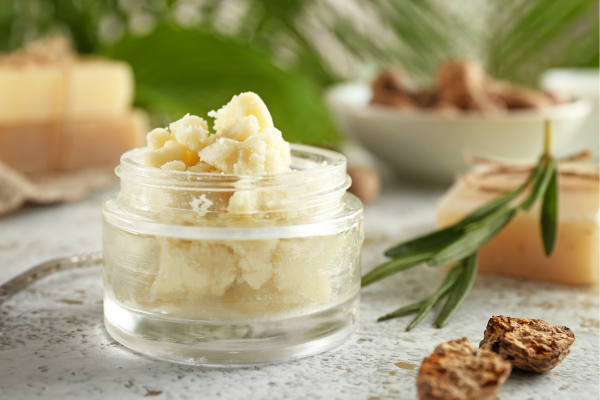
| A pea-sized amount is sufficient for the face. |
| For dry or mature skin, you can apply a slightly thicker layer. |
| Scoop out the product using a clean utensil or your hands to avoid dirt. |
2. When to Apply
| Tips |
|---|
| Apply moisturizer immediately after cleansing while your skin is still slightly damp. |
| Reapply throughout the day if necessary, especially after exposure to tough weather conditions. |
| Nighttime application allows for maximum absorption and skin repair. |
3. How to Apply
| Tips |
|---|
| Gently massage the shea butter face moisturizer into the skin using upward circular motions. |
| Be careful around sensitive areas like the eyes; use a specialized eye cream if necessary. |
| Let the product settle completely before putting on makeup or sunscreen. |
4. Combining with Other Skincare Products
| Tips |
|---|
| Use your shea butter face moisturizer as the final step in your routine. |
| Layer serums or treatments beforehand, especially those containing hyaluronic acid or vitamin C. |
| For added sun protection, follow with a broad-spectrum SPF during the day. |
5. Frequency of Use
| Tips |
|---|
| Most skin types benefit from morning and evening applications. |
| Dry skin might require additional applications or richer formulations. |
| Sensitive or reactive skin should start with once daily and monitor for reactions. |
Final Tips and Tricks
- Patch test new products for at least 48 hours to check for sensitivities.
- Change your skincare products with the seasons—use lighter ones during summer and richer creams in winter.
- Stay consistent; natural skincare benefits accrue over time with regular use.
- Listen to your skin—if a product causes redness, swelling, or breakouts, discontinue and try an alternative.
Conclusion
Selecting the perfect shea butter face moisturizer hinges on understanding your skin type, evaluating product ingredients and formulation, and practicing proper application techniques. By paying attention to these details, you can harness the full power of shea butter to nourish, protect, and rejuvenate your skin naturally.
Remember, natural skincare is a journey—be patient, experiment thoughtfully, and enjoy the radiant results of well-chosen shea butter face moisturizer tailored specifically for your skin’s needs.
If you’re looking for a natural way to achieve radiant, well-hydrated skin, you must read my blog post on, “Why Shea Butter Face Moisturizer Should Be Your Go-To for Glowing, Hydrated Skin”. This article explores the incredible benefits of using a shea butter face moisturizer, highlighting how it deeply nourishes and hydrates your skin, leaving it glowing and healthy.
Discover why shea butter face moisturizer is an essential addition to your skincare routine and how it can transform your skin’s texture and appearance for a luminous glow.


Leave a reply