
You Have Been Using the Wrong Product This Whole Time
Let us be honest. Most people buy face cream or moisturizer because it looks good on the shelf, smells nice, or a friend recommended it. Nobody really sits down and asks: what is actually the difference between face cream and moisturizer? And that one small question, when left unanswered, can quietly ruin your skin for years.
The difference between face cream and moisturizer is not some big complicated science. But because brands mix these terms freely on packaging, it becomes confusing very fast. You see “moisturizing cream,” “face lotion,” “hydrating gel,” and “daily moisturizer” all lined up together, and they all seem to say the same thing. They do not.
Understanding the difference between face cream and moisturizer is genuinely the starting point of any good skincare routine. It does not matter whether you are brand new to skincare or someone who has been following routines for years. If you are picking the wrong product for your skin type, you are wasting money and potentially making your skin worse. The difference between face cream and moisturizer changes depending on your skin type, your climate, your age, and even the time of day. That is how much this actually matters.
So in this post, we are going to clear all of it up. The difference between face cream and moisturizer, the difference between moisturizer and lotion, the difference between cream and lotion, the difference between gel and cream, and how to pick what is actually right for your skin. We are also covering 10 real products side by side so you can see the difference between face cream and moisturizer in action, not just in theory.
Table of Contents
First Things First: What Is a Moisturizer?
Moisturizer is not a single product. It is an entire category. When someone says “moisturizer,” they are talking about any product whose job is to keep your skin hydrated. This covers items like lotions, gels, creams, serums, and some types of oils. The word itself just means something that adds or locks in moisture.
Most moisturizers you find are water-based. That is what gives them that light, easy-to-spread texture. They absorb fast, feel barely-there on your skin, and work comfortably across almost every skin type. Because they are mostly water, they are also less likely to clog your pores, which is a huge win for anyone with oily or combination skin.
Think of moisturizer as the everyday workhorse of your skincare routine. It keeps your skin barrier healthy, stops water from evaporating off your face throughout the day, and gives you that fresh, comfortable feel. It is not dramatic. It just works quietly and consistently.
Now: What Is a Face Cream?
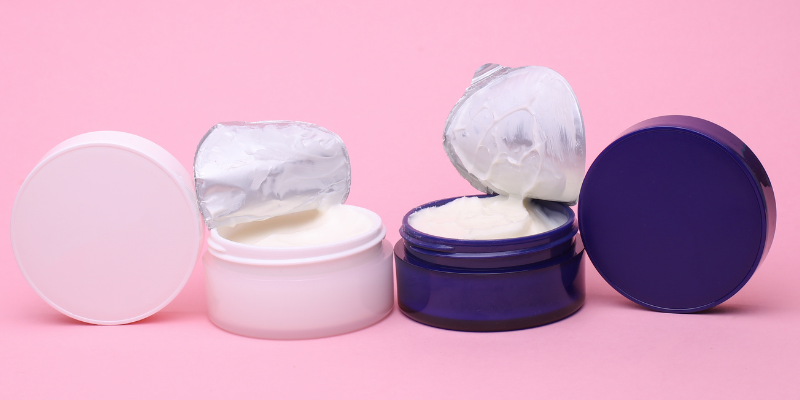
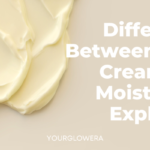
A face cream is a moisturizer, but it is a specific kind. It sits at the heavier, richer end of the moisturizer family. Face creams are oil-based or made from a mix of oil and water, which is what creates that thick, scoopable texture you notice the moment you open the jar.
Because face creams are denser, they form a stronger protective layer on top of your skin. That layer does two important things, highlighting the difference between face cream and moisturizer. It seals in moisture for longer, and it protects your skin from things like wind, cold air, and other environmental damage. This is why face creams are especially loved during winter, in dry climates, or by people with mature or very dry skin.
Face creams also tend to carry more concentrated active ingredients. Things like peptides, ceramides, shea butter, and retinol are more common and more potent in cream formulas because the thicker base holds and delivers them more effectively.
Here is the sentence that makes it all click: every face cream is a moisturizer, but not every moisturizer is a face cream. That is the heart of the difference between face cream and moisturizer.
The Difference Between Face Cream and Moisturizer: Clear Comparison
| Feature | Face Cream | Moisturizer (General) |
|---|---|---|
| Texture | Thick, rich, dense | Light to medium |
| Base Formula | Oil-based or oil-water blend | Mostly water-based |
| Best Skin Type | Dry, mature, sensitive | All types, especially oily and combo |
| How It Feels | Rich, sometimes slightly heavy | Lightweight, barely noticeable |
| Absorption Speed | Slower, sits longer | Faster |
| Hydration Duration | Long-lasting, 8 to 12 hours | Moderate, 4 to 6 hours |
| Ingredient Strength | Higher concentration | Moderate |
| Pore Risk | Moderate to higher | Lower |
| Best Time to Use | Night routine, cold seasons | Morning and evening, any season |
| Ideal Climate | Cold, dry, windy | Warm, humid, or balanced |
This table captures the core difference between face cream and moisturizer in a way that is easy to scan and actually use when shopping.
The Difference Between Moisturizer and Lotion
Now that the difference between face cream and moisturizer is clear, it helps to understand where lotion fits in. People often use “lotion” and “moisturizer” as if they mean the same thing, but there is a real difference between moisturizer and lotion worth knowing.
A lotion is one specific type of moisturizer. It is thinner and more fluid because it has a very high water content and very little oil. Because of this, it absorbs almost instantly and feels extremely light. The difference between lotion and moisturizer comes down to this: lotion is a subset of the moisturizer family, not the whole thing.
Lotions are excellent for normal to mildly dry skin, especially in warm or humid weather. The difference between moisturizing cream and lotion is really about intensity. Same destination, different horsepower.
| Feature | Lotion | Face Cream |
|---|---|---|
| Water Content | Very high | Low to moderate |
| Oil Content | Very low | High |
| Texture | Thin, almost runny | Thick and scoopable |
| Best Climate | Warm, humid | Cold, dry |
| Absorption Speed | Almost instant | Gradual |
| Best Skin Type | Normal, mildly dry | Dry, mature |
| Duration of Hydration | 3 to 5 hours | 8 to 12 hours |
The Difference Between Cream and Lotion
The difference between cream and lotion is really just about the ratio of oil to water in the formula. More oil means you get a cream. More water means you get a lotion. That is genuinely the whole story.
What this translates to in real life is that a cream works harder and lasts longer but feels heavier. A lotion disappears quickly and feels effortless but will not carry you through a cold dry day. Neither one is better in an absolute sense. The right one depends entirely on your skin and your environment.
The Difference Between Gel and Cream
The difference between gel and cream is the most dramatic split in the moisturizer family. Gels are completely water-based and oil-free. They are transparent or translucent, absorb within seconds, and leave zero greasy residue behind. They are made for oily, acne-prone, and combination skin because they hydrate without adding any oil to the equation.
Creams, as we now know, do the opposite. They are rich, oil-heavy, and designed to create a long-lasting barrier. The difference between gel and cream is not just about texture. It is about what your skin actually needs. If your skin looks shiny by noon, gel is your answer. If your skin feels tight and flaky by noon, cream is what you need.
| Feature | Gel | Cream |
|---|---|---|
| Oil Content | Zero | High |
| Texture | Jelly-like, watery | Thick, rich |
| Finish on Skin | Matte | Slightly dewy |
| Best for | Oily, acne-prone, combo | Dry, mature, sensitive |
| Pore Clogging Risk | Very low | Moderate to higher |
| Ideal Season | Summer, humid weather | Winter, dry weather |
How to Pick Based on Your Skin Type
| Skin Type | Best Product Type | Why It Works |
|---|---|---|
| Oily Skin | Gel Moisturizer | No oil added, matte finish |
| Dry Skin | Face Cream | Rich, long-lasting moisture |
| For Combination Skin | Light Lotion or Moisturizer | Keeps skin balanced without irritation |
| For Mature Skin | Rich Face Cream | Provides deep nourishment and hydration, supports firmness |
| Normal Skin | Lotion or Light Moisturizer | Maintains balance without fuss |
| Acne-Prone Skin | Gel or Water Moisturizer | Hydrates without triggering breakouts |
Top 10 Products: Face Cream vs Moisturizer – A Clear Comparison
These ten products give real examples of the difference between face cream and moisturizer in practice. Comparing actual products side by side makes it much easier to grasp the differences in theory.
1. CeraVe Hydrating Cream
| Feature | Details |
|---|---|
| Type | Face Cream |
| Suitable For | Dry to very dry skin |
| Main Ingredients | Ceramides, hyaluronic acid, MVE technology |
| Texture | Thick and nourishing |
| Fragrance-Free | Yes |
| Non-Comedogenic | Yes |
| Best For | Morning and evening use |
| Skin Type | Dry, sensitive, eczema-prone |
2. Neutrogena Hydro Boost Water Gel
| Feature | Details |
|---|---|
| Type | Gel Moisturizer |
| Suitable For | Oily and combination skin |
| Main Ingredients | Hyaluronic acid, water-based formula |
| Texture | Light, refreshing gel |
| Fragrance-Free | Yes |
| Non-Comedogenic | Yes |
| Best For | Morning and night |
| Skin Type | Oily, combination, all skin types |
3. Olay Regenerist Micro-Sculpting Cream
| Feature | Details |
|---|---|
| Type | Face Cream |
| Suitable For | Mature skin |
| Main Ingredients | Niacinamide, hyaluronic acid, peptides |
| Texture | Rich and creamy |
| Fragrance-Free | No |
| Non-Comedogenic | Yes |
| Best For | Day and night use |
| Skin Type | Normal to dry, aging skin |
4. Cetaphil Daily Hydrating Lotion
| Feature | Details |
|---|---|
| Type | Lotion Moisturizer |
| Suitable For | Normal to dry skin |
| Main Ingredients | Hyaluronic acid, vitamin B5 |
| Texture | Light lotion |
| Fragrance-Free | Yes |
| Non-Comedogenic | Yes |
| Best For | Daily use |
| Skin Type | All types |
5. Dot and Key Watermelon Cooling Moisturizer
| Feature | Details |
|---|---|
| Type | Gel Moisturizer |
| Suitable For | Oily, acne-prone skin |
| Main Ingredients | Watermelon extract, hyaluronic acid |
| Texture | Lightweight gel |
| Fragrance-Free | No |
| Non-Comedogenic | Yes |
| Best For | Morning use |
| Skin Type | Oily, combination |
6. Lakme 9 to 5 Naturale Aloe Aqua Gel
| Feature | Details |
|---|---|
| Type | Gel Moisturizer |
| Suitable For | Oily and combination skin |
| Main Ingredients | Aloe vera, water base |
| Texture | Watery gel |
| Fragrance-Free | No |
| Non-Comedogenic | Yes |
| Best For | Morning and evening |
| Skin Type | Oily, normal |
7. Plum Green Tea Night Gel
| Feature | Details |
|---|---|
| Type | Night Gel |
| Suitable For | Acne-prone, combination skin |
| Main Ingredients | Green tea extract, glycolic acid |
| Texture | Light gel |
| Fragrance-Free | No |
| Non-Comedogenic | Yes |
| Best For | Night use only |
| Skin Type | Oily, acne-prone, combination |
8. Biotique Coconut Brightening Cream
| Feature | Details |
|---|---|
| Type | Face Cream |
| Suitable For | Dry, dull skin |
| Main Ingredients | Coconut milk, milk proteins |
| Texture | Medium-rich cream |
| Fragrance-Free | No |
| Non-Comedogenic | Moderate |
| Best For | Night use |
| Skin Type | Dry, normal |
9. Simple Kind to Skin Hydrating Light Moisturizer
| Feature | Details |
|---|---|
| Type | Light Moisturizer |
| Suitable For | Sensitive and normal skin |
| Main Ingredients | Pro-vitamin B5, vitamin E |
| Texture | Light lotion |
| Fragrance-Free | Yes |
| Non-Comedogenic | Yes |
| Best For | Morning use |
| Skin Type | All, especially sensitive |
10. The Ordinary Natural Moisturizing Factors + HA
| Feature | Details |
|---|---|
| Type | Moisturizer |
| Suitable For | All skin types |
| Main Ingredients | Amino acids, hyaluronic acid, ceramides |
| Texture | Medium-weight |
| Fragrance-Free | Yes |
| Non-Comedogenic | Yes |
| Best For | Morning and evening |
| Skin Type | All types |
So, Which Should You Choose?
After reviewing these options, the decision becomes clearer. If your skin feels tight, rough, or uncomfortable after washing, a face cream is usually best because of the difference between face cream and moisturizer.
For normal skin that just needs to stay hydrated and balanced throughout the day, a simple moisturizer or lotion is sufficient — it provides hydration without feeling heavy.
If excess oil and shine are your main concerns then skip the creams and lotions altogether and understand the difference between face cream and moisturizer.
The key isn’t about one product being better than another. It’s about choosing the right formula based on what your skin needs. Your skin communicates with you daily, and learning to listen to those signals is a valuable skincare skill.
Final Thoughts
Once you understand the basics — the difference between face cream and moisturizer, and how they relate to lotions and gels — skincare becomes much simpler. You stop making random choices and instead select products with a clear purpose.
Everyone’s skin is unique. The best routine is the one designed specifically for your skin type and concerns, not just what’s trending or what someone else recommends. Your skincare journey is about finding what works best for you, based on your skin’s signals and needs.
If you’re confused about the difference between face cream and moisturizer, this blog post titled, “Difference Between Face Cream and Moisturizer Explained: Top 10 Products That Help You Choose the Right One for Your Skin Type” is a must-read. It provides clear insights into how these products differ and guides you in selecting the best skincare product for your skin type.
Whether you’re a skincare novice or an expert, understanding the difference between face cream and moisturizer will help you make better choices for healthy, glowing skin. Don’t miss out on these essential tips!
Frequently Asked Questions:
Is moisturizer better than face cream?
Moisturizer and face cream serve similar purposes but differ in texture and ingredients. The difference between face cream and moisturizer is that moisturizers are generally lighter and focus on hydration, while face creams may contain active ingredients for specific skin concerns. The choice depends on your skin type and needs.
Which face cream is good for pimples?
Look for non-comedogenic face creams specifically formulated for acne-prone skin. The difference between face cream and moisturizer is that face cream is usually thicker and more nourishing. To reduce pimples, select lightweight, oil-free moisturizers with ingredients like salicylic acid or tea tree oil.
Can we use face cream as moisturizer?
Yes, many face creams can be used as moisturizers if they are hydrating and suitable for your skin type, but understanding the difference between face cream and moisturizer is important.
Do you put face cream or moisturizer first?
The general rule is to apply moisturizer after face cream, especially if the face cream is thicker or contains active ingredients. Understanding the difference between face cream and moisturizer is key to proper skincare. For most skincare routines, layering from lightest to heaviest helps maximize absorption and effectiveness.
What is the 3-minute moisturizer rule?
Following the 3-minute moisturizer rule helps lock in moisture after cleansing, emphasizing the difference between face cream and moisturizer for better skin hydration and comfort.
Does moisturizer make skin glow?
Yes, regular use of a good moisturizer keeps skin hydrated, plump, and healthy, which can naturally enhance your skin’s glow, but understanding the difference between face cream and moisturizer is essential.

Leave a reply