
Introduction
Many individuals across the globe face issues with acne on their skin. Whether it’s the teenage hormonal surge or adult breakouts caused by stress and lifestyle, acne can diminish your confidence and make you feel self-conscious. It’s more than just a skin problem — it impacts your emotional health, social interactions, and overall well-being.
In recent years, many individuals have started turning away from chemical-heavy treatments and skincare products. Instead, they are exploring natural, holistic options — especially Ayurvedic treatment for acne. Rooted in India’s ancient wisdom, Ayurveda emphasizes balancing the body’s natural energies, detoxifying the skin, and healing from within.
Choosing Ayurvedic treatment for acne offers many benefits. It addresses the root causes rather than just superficial symptoms. This approach minimizes side effects, promotes long-term skin health, and aligns with a lifestyle of wellness. As awareness about natural remedies grows, more people are discovering how effective herbal treatments, dietary adjustments, and lifestyle changes can be in achieving clear, glowing skin.
The rising popularity of natural remedies is driven by the desire for safer skincare options, especially in today’s world where pollution, stress, and unhealthy diets contribute to skin problems. Many are now embracing herbal solutions like turmeric, neem, aloe vera, and other natural ingredients to combat pimples, scars, and uneven skin tone. These solutions are simple, accessible, and gentle on the skin, making them ideal choices for those seeking a holistic route to healthy skin.
Table of Contents
Common Causes of Acne
Understanding what causes acne is essential for choosing the right treatment. While it’s tempting to look for quick fixes, recognizing the underlying factors will help you adopt more effective, sustainable solutions.
Hormonal Imbalance
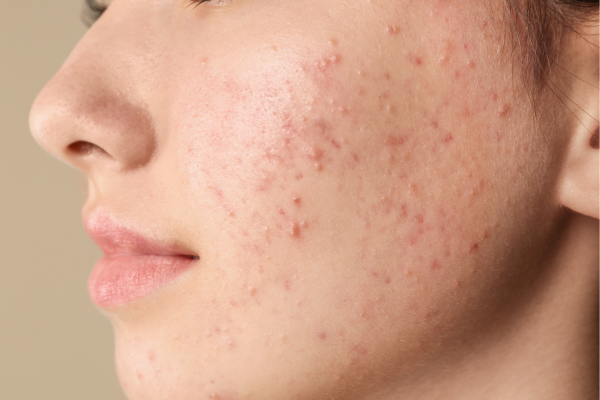
Hormones are one of the leading causes of acne, especially in teenagers, women during their menstrual cycle, pregnancy, or menopause. When hormone levels fluctuate, they stimulate the sebaceous glands to produce more oil or sebum. Excess sebum can clog pores, creating an environment where bacteria thrive, leading to pimples and cysts.
Ayurveda attributes hormonal acne to vitiation of Pitta dosha, which governs heat and transformation in the body. Imbalanced Pitta can lead to inflammation, redness, and skin eruptions. Ayurvedic methods focus on balancing hormones using herbs, healthy eating, and changes in daily habits.
Poor Diet and Nutrition
Diet plays a crucial role in skin health. Consuming excessive processed foods, refined sugars, dairy products, and greasy foods can aggravate acne. These foods increase internal heat (Pitta), promote inflammation, and stimulate excess oil production.
Ayurveda recommends a balanced diet tailored to your skin type (prakriti). Eating fresh fruits, vegetables, whole grains, and herbal teas helps detoxify the body and reduce acne. Incorporating anti-inflammatory foods like turmeric, ginger, and green leafy vegetables can help calm irritated skin and balance doshas.
Stress and Lifestyle Factors
Stress is often an underestimated factor in skin health. When stressed, the body produces more cortisol, a hormone that triggers increased oil production and inflammation. Chronic stress can weaken the immune system, making the skin more vulnerable to infections and breakouts.
Poor lifestyle choices like disrupted sleep, lacking exercise, and dehydration can contribute to the development of acne. According to Ayurveda, maintaining balance involves proper rest, consistent exercise, and stress-relief activities like yoga, meditation, and breathing practices.
Skin Type and Genetics
Some individuals are genetically predisposed to acne. Oily skin types tend to produce more sebum, leading to clogged pores. Dry skin, if over-cleansed or stripped of natural oils, can also develop pimples as the skin tries to compensate by overproducing oil.
Understanding your skin’s prakriti (constitution) helps in selecting suitable Ayurvedic remedies. For example, Kapha-dominant skin is more prone to oiliness and congestion, while Vata may be more dry and sensitive. Personalized Ayurvedic treatments can target these specific needs effectively.
Environmental Factors and Pollution
Living in urban areas exposes your skin to pollution, dirt, and toxins that clog pores and cause inflammation. Environmental damage weakens the skin’s natural barrier, making it more susceptible to breakouts.
Using natural cleansers, herbal face masks, and detoxifying therapies can help remove pollutants and restore skin health. Using herbal cleansers such as neem face washes regularly can help keep dirt away and fight acne.
Use of Harsh Skincare Products
Many commercial skincare products contain chemicals, parabens, and synthetic fragrances that irritate the skin and disrupt its natural balance. Overuse of such products can strip away natural oils, leading to dryness or excessive oiliness, both of which worsen acne.
Ayurveda recommends gentle, natural skincare routines using herbal formulations that maintain the skin’s pH and support its healing process. Natural oils like neem oil or jojoba oil are less likely to clog pores and can be part of an Ayurvedic skincare routine.
How Acne Affects Skin and Confidence
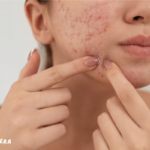
The impact of acne goes beyond skin deep. Many people experience emotional distress, embarrassment, and low self-esteem because of persistent pimples and scars. It can affect social interactions, dating, and even professional life.
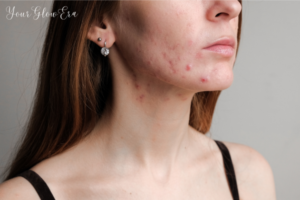
Acne scars and uneven skin tone can be demotivating, especially when they linger long after the pimples have healed. This is why timely intervention is important. While many over-the-counter products provide temporary relief, they often do not address the root causes.
Using Ayurveda for acne involves natural methods — supporting skin strength, lowering inflammation, and reducing the risk of scars. This holistic method focuses on detoxification, balancing doshas, and nourishing the body, leading to more sustainable and long-lasting results.
Natural Remedies for Acne and Clear Skin
The good news is that nature offers a plethora of remedies that can help you achieve clear, radiant skin with ayurvedic treatment for acne without harmful chemicals. Here are some effective natural remedies rooted in Ayurveda and traditional herbal wisdom:
Dietary Tips: Foods to Include and Avoid
| Include | Avoid |
|---|---|
| Fresh fruits like berries, papaya, and pomegranate | Excessive sugar |
| Green leafy vegetables such as spinach and kale | Processed snacks |
| Herbal teas like neem or tulsi | Dairy (which can increase Pitta) |
| Healthy fats from nuts and seeds | Fried foods |
| Turmeric, ginger, and garlic | Caffeine |
Herbal Remedies and Natural Ingredients
Turmeric
Turmeric has a compound called curcumin, which is known for its strong ability to fight inflammation and act as an antioxidant. It works to soothe redness, reduce swelling, and combat bacteria on the skin through ayurvedic treatment for acne. You can incorporate turmeric into your diet by adding it to curries or smoothies. To make a face mask for application on the skin, combine turmeric powder with honey or yogurt.
Neem
Neem has antibacterial, antifungal, and anti-inflammatory properties. It’s highly effective in treating acne by killing bacteria and reducing skin inflammation through ayurvedic treatment for acne. Use neem oil or create a face pack by grinding fresh neem leaves with turmeric and applying it on affected areas.
Aloe Vera
Aloe vera is a natural healer. It calms inflamed skin, decreases redness, and helps heal pimples and scars. Applying fresh aloe vera gel directly from the leaf can help calm inflammation and hydrate the skin as part of ayurvedic treatment for acne.
Tea Tree Oil
Though not traditional to Ayurveda, tea tree oil is widely used in herbal skincare for its potent antibacterial effects. Diluted tea tree oil applied on pimples can help reduce bacteria and speed up healing.
Lemon and Honey
Lemon juice is rich in vitamin C and natural acids that exfoliate dead skin cells and lighten scars, ayurvedic treatment for acne. Honey acts as a natural moisturizer and also has fighting bacteria qualities. A mixture of lemon and honey as a face mask can help in reducing pimples and brightening the skin.
Lifestyle Changes for Healthier Skin
- Practice regular cleansing with herbal face washes like Himalaya Purify Neem Face Wash or Patanjali Aloe Vera Gel.
- Keep yourself well-hydrated by drinking enough water all day long.
- Incorporate yoga and meditation to manage stress levels.
- Ensure you get enough rest so your body and skin can recover and stay healthy.
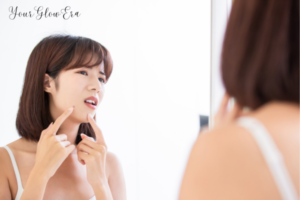
- Avoid touching or squeezing pimples to prevent scars and further infection.
- Wear natural fabrics and avoid excessive exposure to pollution.
Simple Skincare Routine with Natural Products
- Cleansing: Choose natural herbal cleansers like neem or aloe vera-based formulas.
- Toner: Rose water or herbal tonics.
- Mask: Herbal face masks containing turmeric, neem, or multani mitti (Fuller’s earth).
- Moisturizer: Light natural oils like jojoba or almond oil.
- Sunscreen: Use natural options like aloe vera gel or herbal sunscreens.
Top Natural Products for Acne-Prone Skin
Here are some trusted herbal products that align with Ayurvedic principles and are effective for ayurvedic treatment for acne in the market and suitable for acne-prone skin:
| Product Name | Key Benefits |
|---|---|
| Himalaya Purify Neem Face Wash | Deep cleanses pores, reduces pimples, contains pure neem for skin detoxification |
| Patanjali Aloe Vera Gel | Soothes irritated skin, reduces inflammation, helps in healing pimples |
| Forest Essentials Neem & Turmeric Face Pack | Uses natural elements to combat bacteria, improve skin clarity, and lessen scars |
Our products include plant extracts that support your skin’s own healing process. Incorporating them into your daily routine can help you see improvements over time with ayurvedic treatment for acne.
Principles of Ayurveda in Skin Care
The ancient practice of Ayurveda focuses on a balanced lifestyle to support well-being and beauty. When it comes to skin care, Ayurveda emphasizes balancing the body’s internal energies or doshas—Vata, Pitta, and Kapha—to achieve healthy radiant skin through ayurvedic treatment for acne. These three energies are key to controlling different body functions, and when they get out of balance, it can cause skin problems like pimples, acne, and spots.
The Concept of Balancing Doshas for Healthy Skin
In Ayurvedic skin care, the first step is to understand your unique dosha constitution. Each person has a predominant dosha or a combination, and skin health depends on maintaining the harmony of these energies by using ayurvedic treatment for acne.
- Vata skin types are usually dry, flaky, and sensitive.
- Pitta skin types are prone to inflammation, redness, and acne.
- Kapha skin tends to be oily, thick, and prone to clogged pores and pimples.
To keep your skin glowing, Ayurveda recommends creating a personalized plan that balances your doshas. For instance, if your skin is pitta-dominant and prone to breakouts, herbal cooling remedies and dietary changes can help soothe inflammation and cool down the heat with ayurvedic treatment for acne. For kapha-dominant skin, cleansing and detoxification are key to controlling oiliness and breakouts.
Key Principles in Ayurvedic Skin Care Include:
- Using natural ingredients that suit your skin type.
- Following a balanced diet to support internal health.
- Practicing self-care routines like massage and cleansing.
- Avoiding harsh chemicals that can aggravate dosha imbalances.
By aligning your lifestyle and skincare with Ayurvedic principles, you can naturally improve your skin’s health, reduce pimples, and achieve a clear complexion with ayurvedic treatment for acne.
Ayurvedic Causes of Acne: Vitiation of Doshas
In Ayurveda, acne is viewed as a result of the imbalance or vitiation of specific doshas, primarily Pitta and Kapha. Understanding these causes helps in choosing the right ayurvedic treatment for acne and lifestyle adjustments.
Kapha and Pitta Imbalances
- Pitta dosha governs heat, metabolism, and inflammation. When Pitta is aggravated due to factors like spicy foods, stress, or exposure to heat, it causes increased oil production and inflammation in the skin, leading to pimples and pustules. When Pitta is out of balance, it can cause facial redness, burning, and pus pimples, which can be treated effectively through ayurvedic treatment for acne.
- Kapha dosha is made up of water and earth, helping with lubrication and providing support. When Kapha is excessive, it causes sluggishness in the skin’s functioning, leading to oily skin, clogged pores, and blackheads. Excess Kapha also causes accumulation of toxins or ama, which can manifest as cystic acne or persistent pimples.
How Toxins (Ama) Contribute to Acne Formation
In Ayurveda, ama refers to toxins produced due to improper digestion or metabolism. When ama accumulates in the body, it circulates and blocks channels, leading to skin issues like acne. Ama also disturbs the balance of doshas, heightening Pitta and Kapha imbalances and worsening skin conditions.
Accumulation of ama on the skin surface appears as dullness, dark spots, and stubborn pimples, ayurvedic treatment for acne can help balance this. Therefore, detoxification through Ayurvedic therapies is crucial for clearing acne and restoring skin health.
Ayurvedic Treatment for Acne
Ayurveda offers a comprehensive approach to treating acne with ayurvedic treatment for acne, focusing on balancing doshas, detoxifying the body, and nourishing the skin with herbal medicines. This approach is safe, natural, and long-lasting.
Herbal Formulations and Medicines
| Herbal Medicine | Benefits |
|---|---|
| Chandraprabha Vati | Balances Pitta and Kapha, detoxifies, reduces inflammation and pimples, supports liver function |
| Khadirarishta | Purifies blood, reduces inflammation, combats bacterial infections |
| Manjishtha (Rubia cordifolia) | Blood purifier, clears skin infections, reduces scars, balances Pitta |
| Neem-based Medicines | Antibacterial, antifungal, anti-inflammatory |
Panchakarma Therapies for Detoxification
Panchakarma is an detoxification process that removes ama and restores dosha balance, making ayurvedic treatment for acne effective. Procedures like Virechana (therapeutic purgation), Basti (medicated enema), and Raktamokshana (bloodletting) are used under expert supervision to cleanse the body internally.
These therapies help eliminate toxins, improve digestion, and promote skin clarity with ayurvedic treatment for acne. Regular Panchakarma treatments, combined with herbal medicines, can significantly reduce acne and prevent its recurrence.
Dietary Recommendations in Ayurveda
- Consuming fresh, organic foods rich in antioxidants.
- Avoiding spicy, oily, and processed foods that aggravate Pitta and Kapha.
- Including cooling foods like cucumber, coriander, and mint.
- Drinking warm water with lemon or cumin to support digestion.
- Incorporating herbs like turmeric and coriander in meals for detoxifying properties.
Lifestyle Tips Based on Ayurvedic Principles
- Practice daily self-massage (Abhyanga) with herbal oils like neem or turmeric oil.
- Maintain a regular sleep schedule.
- Manage stress through meditation or yoga.
- Keep the skin clean with gentle, herbal cleansers.
- Avoid harsh chemical skincare products.
Natural and Ayurvedic Treatment for Ance on Face
To get fast help and improve skin condition gradually, ayurvedic treatment for acne suggests applying herbal masks and oils made for pimples.
Herbal Masks and Oils
| Herbal Remedy | Application/Use |
|---|---|
| Neem and Turmeric Face Pack | Mix neem powder with turmeric and sandalwood powder, add water or rose water, apply on affected areas ayurvedic treatment for acne |
| Aloe Vera Gel | Apply fresh aloe vera gel on inflamed skin |
| Tea Tree Oil | Diluted, apply on pimples |
| Coconut Oil with Manjishtha | Use to reduce scars and calm skin |
Daily Routines and Self-Care Tips
- Cleanse face twice daily with herbal cleansers.
- Use herbal toners like rose water.
- Apply herbal masks weekly.
- Avoid touching or popping pimples.
- Maintain hydration and a balanced diet.
- Practice yoga and meditation for stress relief.
Trusted Ayurvedic Treatments For Acne (Commonly Available and Proven to Show Results)
| Product Name | Active Ingredients | Benefits |
|---|---|---|
| Patanjali Divya Kayakalp Vati | Manjishtha, Neem | Detoxifies, reduces pimples, improves skin |
| Kerala Ayurveda Neem Tulsi Face Pack | Neem, Tulsi | Deep cleansing, controls oil, reduces pimples |
| Himalaya Clear Complexion Face Wash | Herbal extracts | Gently cleanses, prevents breakouts |
These products are formulated based on Ayurvedic principles, ensuring they work harmoniously with your skin’s natural process for ayurvedic treatment for acne.
How to Incorporate Ayurvedic Treatment for Acne into Your Routine
- Use herbal cleansers and face packs regularly.
- Follow the advice of a certified expert.
- Take Ayurvedic supplements as recommended.
- Maintain a balanced diet and lifestyle.
- Practice daily self-care routines with herbal oils.
- Be patient; Ayurvedic treatments take time but are sustainable.
Final Words: Embracing a Natural Path to Clear Skin
Getting clear, blemish-free skin through Ayurvedic solutions like ayurvedic treatment for acne is a slow journey that requires balance and trust. By understanding the root causes—such as dosha imbalances and toxins—you can adopt a holistic approach that nurtures your skin from within.
Integrating herbal medicines, detoxification therapies, and lifestyle adjustments can help you attain healthy, radiant skin naturally. Remember, consistency is key, and choosing authentic Ayurvedic products designed for your skin type will enhance your results.
Before starting any new treatment, consult an experienced Ayurvedic practitioner to tailor a plan suited to your unique needs ayurvedic treatment for acne. Embrace the wisdom of Ayurveda, and let nature guide you towards beautiful, clear skin.
If you’re seeking a natural solution for skin concerns, I highly recommend reading my blog post on, “Ayurvedic Treatment for Acne: Effective Herbs and Diet Tips for Clear Skin”. This comprehensive guide explores how Ayurvedic treatment for acne can help you achieve radiant, blemish-free skin using herbal remedies and simple dietary changes.

Leave a reply