
Introduction
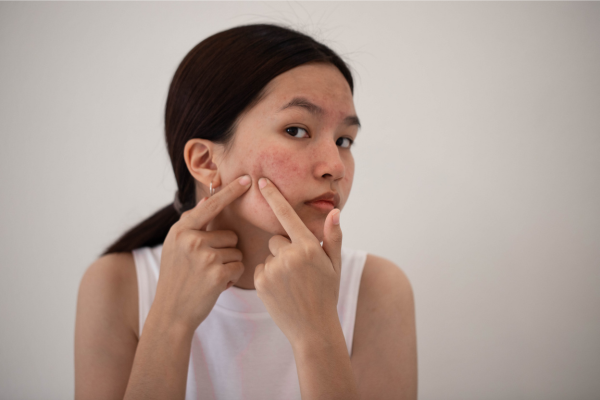
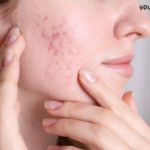
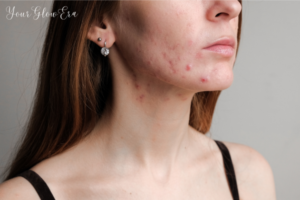
Many individuals around the world deal with acne, a common skin issue that can affect people of all ages and genders. It often appears as pimples, blackheads, whiteheads, cysts, or scars, primarily on the face, back, shoulders, and chest. Acne not only affects your appearance but also impacts your confidence and mental well-being, making it difficult to feel comfortable in social situations.
Many individuals opt for chemical creams, gels, or medicines to clear acne, but these can sometimes cause dryness, irritation, or even more breakouts. As a result, more individuals are now exploring natural and holistic solutions that align with their body’s needs.
Ayurvedic treatment for acne is another approach, an old Indian system that works on restoring body balance by using herbs, healthy eating, lifestyle changes, and natural treatments. Ayurveda believes that skin health is a reflection of internal balance, and by addressing the root causes, you can achieve long-lasting clear skin.
This article aims to shed light on how Ayurvedic remedies can help you naturally combat pimples, reduce scars, and attain glowing skin. We will explore the most effective herbs, dietary tips, and herbal medicines that support skin detoxification and healing.
Table of Contents
Understanding Acne Through the Lens of Ayurveda
Ayurveda offers a unique perspective on skin health, viewing it as a reflection of your internal balance of energies or doshas—Vata, Pitta, and Kapha. These doshas are vital forces that govern various bodily functions, including digestion, immunity, and skin health.
The Role of Doshas in Skin Health
- Vata: Responsible for movement and nervous system activity. When Vata is out of balance, it can cause dry, flaky skin, or irritation.
- Kapha: Governs stability and lubrication. Excess Kapha can lead to oily skin, clogged pores, and blackheads.
- Pitta: Controls heat, digestion, and metabolism. When Pitta is out of balance, it usually shows up as redness, swelling, and skin problems like pimples.
How Pitta Imbalance Causes Acne
In Ayurveda, pitta aggravation is considered a primary cause of acne. When Pitta becomes excessive due to factors such as spicy foods, alcohol, stress, or hormonal fluctuations, it generates heat and inflammation in the body. This excess heat manifests as redness, swelling, and pus-filled pimples.
Pitta imbalance also increases oil production in the skin’s sebaceous glands, leading to clogged pores and bacterial growth. Over time, this cycle results in persistent pimples, cysts, and even scars.
Key Ayurvedic Principles for Skin Health
- Balance the doshas: The goal is to restore harmony among Vata, Pitta, and Kapha.
- Detoxify the body: Remove toxins (Ama) that clog pores and cause skin problems.
- Support digestion: Improve digestion to prevent toxin buildup.
- Use natural remedies: Herbs and dietary adjustments help heal skin from within.
Common Causes of Acne According to Ayurveda
Understanding the root causes of acne from an Ayurvedic perspective helps in choosing the right treatment. Here are the main factors that contribute to pimples:
| Cause | Explanation | Ayurvedic Perspective |
|---|---|---|
| Excess Pitta | Consumption of spicy, oily, or processed foods, alcohol, and caffeine increases Pitta | Amplifies heat and inflammation, leading to pimples and skin redness |
| Hormonal Imbalance | Fluctuations during puberty, pregnancy, or due to stress | Vitiates Pitta, resulting in increased oil secretion |
| Poor Digestion and Toxins (Ama) | Weak digestion produces toxins that clog pores | Ama is seen as a thick, harmful build-up that clogs the skin’s pathways. |
| Stress and Lifestyle | High stress levels and lack of sleep weaken immunity | Disturbs hormonal balance, aggravating Pitta and Kapha |
| Poor Hygiene and Diet | Not cleansing skin properly or eating unhealthy foods | Contributes to bacterial growth and clogging of pores |
By understanding these causes, Ayurvedic practitioners prescribe specific herbs, diet plans, and lifestyle modifications to restore balance and clear skin.
Herbal Remedies for Acne (Ayurvedic Treatment for Pimples)
In Ayurveda, herbs play a key role in treating acne naturally. They work synergistically to detoxify the body, reduce inflammation, and promote healthy skin. The healing power of herbs lies in their natural ability to restore balance without harsh chemicals.
Why Herbs Are Effective in Addressing Acne
Herbal remedies are gentle, safe, and long-lasting. They help address the underlying causes of acne—such as toxin buildup, hormonal imbalance, and inflammation—by supporting the body’s natural detoxification and immune functions.
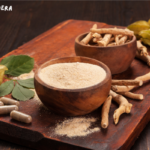
Herbs also possess antibacterial, antifungal, and anti-inflammatory properties, making them ideal for treating pimples and preventing future outbreaks. They are often used in various forms, including powders, capsules, oils, and topical pastes.
Top Ayurvedic Herbs for Acne
- Neem (Azadirachta indica)
Renowned as a powerful blood purifier and antibacterial herb. It helps eliminate toxins from the blood, reducing the formation of pimples and preventing infections through ayurvedic treatment for acne. - Turmeric (Curcuma longa)
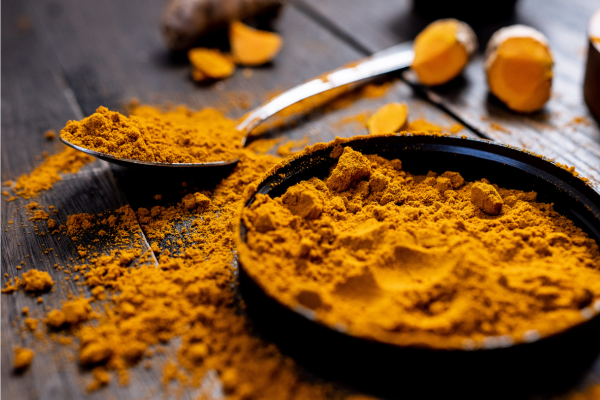
Curcumin, found in turmeric, is a powerful compound with both anti-inflammatory and antiseptic benefits. It helps reduce redness, swelling, and pain associated with pimples. Turmeric can be applied topically or consumed as a supplement. - Manjistha (Rubia cordifolia)
Known as a blood purifier in Ayurveda, manjistha improves circulation, detoxifies the blood, and clears skin impurities as part of ayurvedic treatment for acne. - Aloe Vera (Aloe barbadensis)
Aloe vera is a natural soothing agent that reduces inflammation and speeds up skin healing. Its antibacterial and moisturizing properties make it excellent for managing pimples on face. - Licorice (Glycyrrhiza glabra)
Licorice has skin-brightening and anti-inflammatory effects. It helps reduce scars, pigmentation, and inflammation caused by acne.
Herbal Formulations and Their Benefits
Herbs can be incorporated into your skincare routine in various forms, ayurvedic treatment for acne powders, capsules, oils, or topical applications. These popular herbal remedies are often used to help treat acne:
| Herb | Benefits | How to Use | Available Products |
|---|---|---|---|
| Neem | Antibacterial, detoxifies skin | Neem face pack, capsules | Patanjali Neem Tulsi Face Pack |
| Turmeric | Anti-inflammatory, heals skin | Turmeric paste, supplements | Himalaya Turmeric Capsules |
| Manjistha | Blood purifier, skin toner | Powder, capsules | Baidyanath Manjistha |
| Aloe Vera | Soothes skin, reduces inflammation | Aloe gel, juice | Patanjali Aloe Vera Gel |
| Licorice | Brightens skin, reduces scars | Licorice powder, extracts | Himalaya Licorice Tablets |
By consistently using these herbs, you can help your skin recover from existing pimples and prevent new ones from forming ayurvedic treatment for acne naturally. The combination of internal detoxification and external application is the key to achieving clear, healthy skin naturally.
Diet Tips for Clear Skin (Ayurvedic Treatment for Acne)
Achieving clear, glowing skin through Ayurvedic treatment for acne involves more than just external remedies. Your diet plays a vital role in balancing your body’s internal energies, especially Pitta, which is primarily responsible for inflammation, redness, and pimples.
Foods That Aggravate Pitta and Cause Breakouts
In Ayurveda, Pitta dosha is associated with heat and intensity. When Pitta is imbalanced, it manifests as skin issues like pimples, rashes, and oily skin. Consuming foods that increase Pitta can worsen these symptoms. For effective ayurvedic treatment for acne, focus on balancing Pitta. Common aggravators include:
- Spicy foods and chilies that create internal heat
- Fried, greasy, and oily foods that clog pores
- Fermented foods like pickles, sour yogurt, and vinegar-based products
- Caffeinated drinks such as tea, coffee, and energy drinks
- Alcohol and processed junk foods high in refined sugars
Recommended Foods for Balancing Pitta and Promoting Skin Health
To promote a healthy and clear complexion, focus on cooling and calming foods that soothe Pitta. These include:
| Food Type | Examples |
|---|---|
| Fresh, seasonal fruits | Melons, apples, pears, pomegranates |
| Leafy greens | Spinach, kale, lettuce |
| Hydrating vegetables | Cucumber, zucchini, celery |
| Whole grains | Rice, barley, oats |
| Dairy products | Milk, buttermilk, fresh yogurt |
| Cooling herbs | Coriander, mint, fennel |
Incorporating these foods into your daily meals helps soothe internal heat and reduces skin inflammation as part of ayurvedic treatment for acne.
How to Incorporate Anti-Inflammatory Foods
Anti-inflammatory foods are crucial in Ayurvedic treatment for acne as they help calm irritated skin and prevent new breakouts. Some simple ways to include them are:
- Drinking herbal teas infused with tulsi, fennel, or ginger
- Using turmeric in your cooking, as it’s a powerful anti-inflammatory herb
- Including omega-3 rich options like flaxseeds, chia seeds, and walnuts in your diet
- Consuming hot lemon water or cumin water every day to help cleanse the body naturally
- Including fresh aloe vera juice or smoothies for skin healing
Importance of Hydration and Detoxification
Water is the foundation of skin health. Proper hydration flushes toxins (Ama) from the body, reduces excess oil, and maintains skin elasticity. Set a goal to drink 8-10 glasses of purified water each day. Herbal detox drinks like cumin water, coriander water, or fennel tea can further help eliminate toxins, supporting Ayurvedic treatment for acne and promoting a radiant complexion.
Ayurvedic Treatment for Acne (Ayurvedic Medicine for Clear Skin)
Ayurveda offers a variety of herbal formulations that work from within to address the root causes of acne including hormonal imbalance, ayurvedic treatment for acne and toxin accumulation and digestive issues.These medicines help detoxify the blood, reduce inflammation, and restore balance to the doshas.
Natural Formulations and Herbal Supplements Available in the Market
| Medicine | Benefits | How It Works | Common Forms |
|---|---|---|---|
| Chandraprabha Vati | Detoxifies blood, reduces inflammation | Balances Pitta and Kapha, removes toxins | Tablets or capsules |
| Khadirarishta | Heals skin infections, reduces redness | Anti-inflammatory, antimicrobial | Liquid tonic |
| Triphala Churna | Supports digestion and detoxification | Eliminates toxins, improves digestion | Powder or capsules |
| Manjishtha Capsules | Blood purifier, reduces scars and pigmentation | Promotes skin regeneration | Capsules |
Ways These Drugs Work to Clear Your Skin Naturally
Herbal formulas team up to help tackle the main causes of acne:
- Blood purification: Removing toxins and impurities that cause pimples and inflammation
- Reducing inflammation: Reducing skin swelling and stopping new spots from appearing
- Supporting digestion: Improving gut health, which is closely linked to skin health
- Balancing hormones: Stabilizing hormonal fluctuations that lead to pimple formation, especially in women
Consistent use of these medicines, along with external care and dietary management, with ayurvedic treatment for acne can lead to visibly clearer, healthier skin over time.
Lifestyle and Daily Routine Tips
A disciplined lifestyle and daily routine are essential components of Ayurvedic treatment for acne. Small but consistent habits can accelerate healing and prevent future breakouts.
Skin Cleansing and Oiling with Ayurvedic Oils
- Use gentle, herbal-based cleansers like Himalaya Purifying Neem Face Wash to keep pores clear.
- Regularly oil your skin with natural oils like neem oil, Bhringraj oil, or aloe vera gel, which help balance sebum production.
- Oiling also nourishes the skin and prevents dryness or excess oiliness.
Yoga and Meditation for Stress Management
Stress is a major trigger for acne, especially in Pitta-dominant individuals.Incorporate yoga poses such as Bhujangasana (cobra pose), Matsyasana (fish pose), and Pranayama breathing techniques to calm the mind and reduce cortisol levels as part of ayurvedic treatment for acne.
Sleep and Hygiene Practices
- Aim for 7-8 hours of restful sleep to support skin repair.
- Maintain good personal hygiene: wash your face twice daily, avoid touching or picking at pimples, and change pillowcases regularly.
- Keep your skin dry and avoid excessive sweating that can clog pores.
Avoiding Processed and Oily Foods
Limit intake of processed foods, fried snacks, and sugary items. Instead, focus on whole, natural foods, fresh fruits, and vegetables. These support your body’s detoxification process and enhance the effects of Ayurvedic treatment for acne.
Incorporating Herbal and Natural Products in Daily Routine
A consistent skincare routine using herbal products, ayurvedic treatment for acne can amplify the benefits of internal medicines.
Practical Tips for Using Ayurvedic Skincare Products
- Select products suited to your skin type—oily, dry, or sensitive.
- Try using herbal cleansers such as Himalaya Neem Face Wash or Patanjali Neem Tulsi Face Pack every day.
- Apply aloe vera gel or turmeric masks weekly for soothing and healing.
- Avoid harsh chemical-based cosmetics and opt for natural alternatives.
Example Routine for Acne-Prone Skin
| Time of Day | Routine | Recommended Products |
|---|---|---|
| Morning | Cleanse + Toner + Moisturize | Himalaya Neem Face Wash, Patanjali Aloe Vera Gel |
| Afternoon | Herbal Face Pack (if needed) | Patanjali Neem Tulsi Face Pack |
| Evening | Cleanse + Oil Massage + Night Cream | Himalaya Neem Cleanser, Bhringraj Hair Oil, or Neem Oil |
Highlighting Popular Brands
- Dabur (Amla and Triphala herbal products)
- Himalaya (Purifying Neem, Triphala tablets)
- Patanjali (Aloe Vera Gel, Neem Tulsi Face Pack)
- Himalaya Wellness (Herbal detox teas and supplements)
Real-World Product Recommendations (Transactional)
Integrate these trusted Ayurvedic products into your daily routine for better results:
| Product | Benefits |
|---|---|
| Himalaya Purifying Neem Face Wash | Great for daily cleansing and reducing pimples |
| Patanjali Neem Tulsi Face Pack | Controls excess oil and calms skin inflammation |
| Himalaya Wellness Triphala Tablets | Supports detoxification and digestion |
| Baidhyanath Manjistha Capsules | Blood purifier for skin clarity and healing |
| Patanjali Aloe Vera Gel | Soothes and moisturizes inflamed skin |
Using these products consistently along with dietary and lifestyle modifications can help you attain healthier, clearer skin naturally through ayurvedic treatment for acne.
Final Tips and Precautions
- Be consistent: Follow your Ayurvedic routine diligently for the best results.
- Consult experts: When in doubt, consult an Ayurvedic doctor or dermatologist for personalized advice.
- Use natural products: Avoid harsh chemicals that can irritate sensitive skin.
- Practice patience: Skin healing takes time; stay committed to your holistic routine.
- Embrace your natural beauty: Confidence and positivity are your best assets in your skincare journey.
Conclusion
Achieving clear and glowing skin through Ayurvedic treatment for acne is a holistic process that combines internal detoxification, herbal remedies, a balanced diet, and mindful lifestyle habits. The power of natural herbs like neem, manjistha, turmeric, and triphala, along with proper diet and stress management, can significantly reduce pimples, scars, and inflammation.
Remember, consistency and patience are key. By embracing this natural approach, you not only improve your skin but also enhance your overall health and well-being.Explore trusted Ayurvedic medicines and skincare products available in the market, and consider consulting an expert for personalized guidance for ayurvedic treatment for acne.
Your journey to clear skin begins with small steps—trust the power of Ayurveda and natural remedies for a healthier, more radiant you.
To better understand how Ayurvedic treatment for acne can help you, check out my detailed blog post on, “Ayurvedic Treatment for Acne: Common Causes and Natural Remedies You Must Know”. This article explains the common causes behind acne from an Ayurvedic perspective and offers natural remedies to address them effectively.

Leave a reply