

1. Introduction
Looking after your skin is a key part of staying healthy and feeling good about yourself. Good skincare routines not only help you achieve clear, glowing skin but also protect against environmental damage, prevent premature aging, and boost your self-esteem. In today’s busy world, understanding the right steps and timing for skincare products can make a significant difference in your skin’s health.
One of the most vital products in any skincare routine is moisturizer. It’s often considered the final step, but many people are unsure about when to apply moisturizer on face to get the best results. Is it in the morning or at night? Should it be right after cleansing or after applying serums? These questions are common, and the goal of this article is to clarify exactly when and how to incorporate moisturizer into your daily routine for optimal benefits.
By understanding the role and timing of moisturizer, you can enhance your skincare routine, improve your skin’s hydration, and enjoy healthier, more radiant skin every day.
Table of Contents
2. What Does a Moisturizer Do?
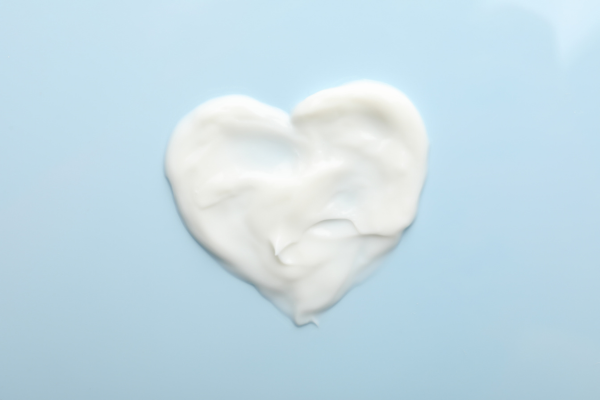
A moisturizer is a skincare product designed to hydrate and protect the skin. Its primary function is to maintain the skin’s moisture balance, which is crucial for healthy, smooth, and youthful-looking skin.
How does a moisturizer work? Moisturizers contain a mix of ingredients that help to lock in water and prevent moisture loss. These ingredients include humectants (like hyaluronic acid and glycerin) that draw water into the skin, emollients (such as oils and fatty acids) that help smooth the skin’s surface, and occlusives (like petrolatum and waxes) that form a barrier to seal in moisture.
Benefits of moisturizing your face include:
- Maintaining hydration: Keeps skin soft, plump, and healthy
- Protection from environmental damage: Acts as a barrier against pollution, harsh weather, and UV rays
- Anti-aging effects: Reduces the appearance of fine lines and wrinkles by keeping skin elastic and firm
- Enhances skin glow: Well-moisturized skin looks vibrant and luminous
- Soothes sensitive skin: Helps calm irritation and redness
Regular use of moisturizer can significantly improve skin texture and overall appearance. It also prepares your skin to better absorb other skincare products like serums and treatments, making them more effective.
3. Types of Moisturizers
Moisturizers come in various forms, and choosing the right one depends on your skin type, concerns, and preferences. Here’s an overview of common types:
| Moisturizer Type | Best For | Key Benefits | Cons |
|---|---|---|---|
| Creams | Dry skin | Deep hydration, rich nourishment | Heavy feeling, can be greasy |
| Lotions | Normal skin | Light hydration, absorbs quickly | Less moisturizing for very dry skin |
| Gels | Oily skin | Oil control, non-greasy | May be drying for dry skin |
| Oils | Sensitive skin | Extra hydration, gentle | Can clog pores if not suitable |
Creams are thicker and more nourishing, making them ideal for very dry or mature skin. They often contain oils and emollients that create a barrier to lock in moisture.
Lotions are lighter and more suitable for everyday use, especially if you prefer a less greasy feel. They work well for normal skin types.
Gels are water-based and feel cooling on the skin. They’re perfect for oily or acne-prone skin but may sometimes dry out dry skin if not paired with a suitable serum or treatment.
Oils are concentrated forms of hydration and are often used for sensitive or very dry skin. They can be mixed with other products or applied directly.
4. When to Use Moisturizer in Your Routine
Knowing when to apply moisturizer on face is just as important as choosing the right product. Here’s a typical skincare routine and the best timing for moisturizer:
Morning Routine:
Cleanse → Tone → Serum (optional) → Moisturizer → Sunscreen
Night Routine:
Cleanse → Tone → Serum or treatment (if any) → Moisturizer/Night cream
5. Why Timing Matters: When to Apply Moisturizer on Face
The timing of applying moisturizer can significantly influence its effectiveness. Applying it at the right moment ensures your skin receives maximum hydration and protection.
Impact of applying moisturizer too early or too late:
- Applying too early (before cleansing): Can trap dirt, oil, and impurities, leading to breakouts or irritation.
- Applying too late (long after cleansing): The skin may dry out, reducing absorption and hydration benefits.
Common mistakes include:
- Skipping moisturizer altogether
- Applying moisturizer when the skin is not clean or dry
- Using the wrong type of moisturizer for the time of day
Best practice: Apply moisturizer right after cleansing and toning, while your skin is still slightly damp. This helps lock in moisture effectively.
6. How to Determine the Best Time to Apply Moisturizer
Your ideal timing can vary depending on several factors:
| Factor | Influence on Timing | Recommendations |
|---|---|---|
| Skin Type | Dry skin needs more frequent and richer hydration; oily skin prefers lighter layers | For dry skin, apply moisturizer twice daily; for oily skin, once may suffice |
| Climate | Humid environments may require less moisturizer; dry climates need more frequent hydration | Adjust frequency based on weather conditions, e.g., more moisturizer in winter |
| Skin Condition | Sensitive or irritated skin needs gentle, consistent hydration | Use soothing, hypoallergenic moisturizers at regular intervals |
Visual Chart: Best times to apply moisturizer based on skin type (not an image, but a written guide):
| Skin Type | Best Time to Apply Moisturizer | Additional Tips |
|---|---|---|
| Dry Skin | Morning: Immediately after cleansing Night: After removing makeup and cleansing | Use a rich, hydrating cream and consider weekly masks |
| Oily Skin | Morning: After cleansing and toning Night: After cleansing, possibly a lighter moisturizer | Use gel-based or oil-free moisturizer sparingly |
| Sensitive Skin | Day and Night: Once you wash and tone your face | Patch test new products |
7. Step-by-Step Skincare Routine for Optimal Results
A proper skincare plan is important for achieving clear, glowing skin. Knowing when to apply moisturizer on face within each step ensures maximum benefits. Let’s walk through a typical skincare routine, differentiating between morning and night applications.
Morning Routine
Step 1: Wash Your Face
Begin your day by rinsing your face to clear away dirt and oil. This removes excess oil, dirt, and impurities accumulated overnight. Find a light facial wash that fits your unique skin type.
When should you put on moisturizer? Right after washing your face, while your skin is still a little moist, is the best moment to do it. This helps lock in hydration.
Step 2: Toner
Toning prepares your skin for better absorption of subsequent products. Apply toner using a cotton pad or your fingertips.
When to apply moisturizer on face: Immediately after toner, to seal in the benefits and hydrate your skin further.
Step 3: Serum
Serums contain active ingredients targeting specific skin concerns like wrinkles, dullness, or dark spots. Apply a few drops over your face and neck.
When to apply moisturizer on face: Follow with moisturizer to lock in the serum and provide a protective barrier.
Step 4: Hydration
Pick a face cream that matches your specific skin type. Lightly spread it over your face and neck, using upward motions with your fingertips. Focus on areas prone to dryness.
When to apply moisturizer on face: This is the final step before sunscreen, making it crucial for hydration and protection.
Step 5: Sunscreen
Finish with a broad-spectrum sunscreen with at least SPF 30 to protect against UV rays.
Note: Never skip sunscreen in the morning; it’s the last step for sun protection.
Night Routine
Step 1: Cleanser
Remove dirt, oil, and makeup accumulated during the day. Use a gentle cleanser suited for your skin.
When to apply moisturizer on face: Immediately after cleansing, while the skin is still damp, to enhance hydration.
Step 2: Toner
Apply toner to balance skin pH and prepare for treatment products.
When to apply moisturizer on face: Right after toner, to maximize skin absorption.
Step 3: Serum or Treatment Products
Nighttime serums or treatments targeting aging, acne, or other concerns are applied now.
When to apply moisturizer on face: Follow with moisturizer to nourish and support skin repair overnight.
Step 4: Night Cream or Moisturizer
Night creams are usually richer than daytime moisturizers. Gently massage onto face and neck.
When to apply moisturizer on face: This is the core step in your night routine, offering deep hydration and repair.
8. How to Properly Apply Moisturizer
Applying moisturizer correctly ensures your skin absorbs maximum benefits. Here’s how:
Amount to Use
Use about a pea-sized amount for your face. Adjust if you have larger or smaller areas.
For neck and décolletage, use a slightly larger amount.
Application Techniques
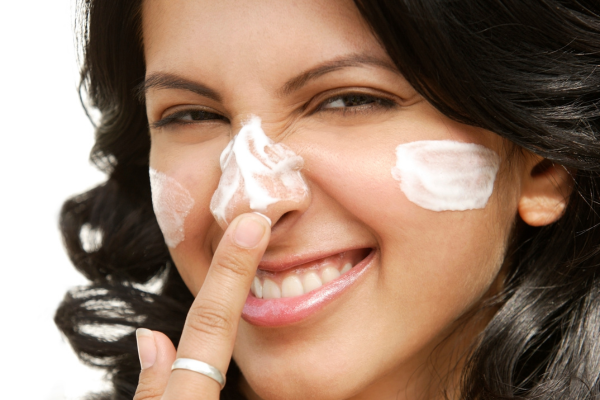
- Dot the moisturizer on your forehead, cheeks, nose, chin, and neck.
- Apply the product to your skin with soft, upward movements, gently massaging it in.
- Be thorough but avoid tugging or pulling the skin.
Areas to Focus On
- Pay attention to your jaw, the area near your nose, and under your eyes.
- Use a different eye cream if needed for delicate under-eye skin.
Tips for Better Absorption
- Put on your moisturizer while your skin is still damp to seal in hydration.
- Gently rub the product between your fingers to warm it up before use.
- Pat gently instead of rubbing vigorously.
9. Best Times and When to Apply Moisturizer on Face for Different Skin Types
Different skin types have unique needs. Knowing when to apply moisturizer on face for your skin type can make a big difference.
| Skin Type | Best Time to Apply Moisturizer | Additional Tips |
|---|---|---|
| Dry skin | Immediately after cleansing | Apply a rich, cream moisturizer to keep your skin hydrated for a long time. Consider applying a hydrating mask weekly. |
| Oily skin | After cleansing and toning | Opt for gel-based or oil-free moisturizer. Applying too much can clog pores; use sparingly. |
| Sensitive skin | After gentle cleansing | Patch test new products. Use fragrance-free, hypoallergenic moisturizers to avoid irritation. |
Additional Tips:
- In dry weather, moisturize more frequently.
- In humid climates, lighter formulas are preferable.
- Make sure to update your skincare habits depending on the weather and how your skin feels.
10. Can We Apply Moisturizer at Night?
Absolutely! Nighttime is a crucial part of skincare. Using moisturizer before bed supports your skin’s natural healing and renewal process.
Benefits of Night Moisturizer
- Supports skin renewal processes
- Provides intense hydration
- Helps in reducing signs of aging
Difference Between Day and Night Moisturizers
| Day Moisturizers | Night Creams |
|---|---|
| Contain SPF or antioxidants | Richer, more nourishing |
| Protect against environmental stressors | Focus on repair |
How Night Creams Support Skin Repair
- Contain ingredients like retinol, peptides, or hyaluronic acid.
- Promote collagen production.
- Reduce fine lines and improve skin elasticity.
11. Use of Moisturizer for Different Skin Concerns
Your skin’s specific needs influence when to apply moisturizer on face and which type to use.
| Concern | Recommended Moisturizer & Timing | Notes |
|---|---|---|
| Anti-aging | Use a moisturizer with antioxidants in the morning and a richer night cream | Focus on hydration to plump skin and reduce wrinkles |
| Acne-prone skin | Use oil-free, non-comedogenic moisturizer after cleansing | Apply twice daily, but avoid heavy formulas |
| Sensitive skin | Use gentle, fragrance-free moisturizer after cleansing | Patch test new products to prevent irritation |
How “When to Apply Moisturizer on Face” Varies
- For acne-prone skin, avoid applying too many layers or heavy products.
- Sensitive skin benefits from minimal, calming products.
- Anti-aging routines focus on hydration and repair layers.
12. Common Myths & Facts
Myths:
- “Moisturizer might lead to acne.”
Fact: When picked carefully, oil-free moisturizers can help reduce pimples by keeping your skin’s oil level even. - “Oily skin doesn’t need moisturizer.”
Fact: Even oily skin benefits from hydration; skipping moisturizer can make skin produce more oil.
Facts:
- Applying moisturizer on damp skin enhances absorption.
- Consistent use improves overall skin health over time.
- Night creams support skin repair while you sleep.
13. Why Consistency Is Key
Skincare is a long-term game. Consistent moisturizing helps maintain your skin’s protective layer, keeps it from becoming dry, and makes your skin look better overall.
Benefits of Regular Moisturizing:
- Maintains skin hydration
- Reduces signs of aging
- Prevents irritation and sensitivity
- Supports skin’s natural barrier
How Routine Improves Skin Over Time
Over weeks and months, consistent hydration diminishes fine lines. The skin gets stronger and better at resisting damage from the environment.
Conclusion & Final Tips
This part will highlight main ideas, stress the importance of applying products at the right time, and share easy tips to improve your skincare routine. It will also encourage readers to evaluate their current practices and consult skincare professionals if needed.
If you’re wondering, “Morning, Evening, or Both? Learn the Perfect Times When to Apply Moisturizer on Face for Radiance” this blog post is a must-read. Discover the ideal moments to apply moisturizer on face to achieve that radiant glow. Understanding “when to apply moisturizer on face” is essential for maintaining healthy, hydrated skin.
Whether you prefer morning routines, nighttime skincare, or both, this guide will help you optimize your skincare routine for maximum benefits. Don’t miss out on tips that can enhance your skin’s glow by knowing exactly when to apply moisturizer on face for best results.
Frequently Asked Questions:
When should I use moisturizer for my face?
You should use moisturizer on your face immediately after cleansing and toning, which is when to apply moisturizer on face to lock in moisture. It helps keep your skin hydrated and protected throughout the day or night.
What is the 3-minute rule for moisturizer?
The 3-minute rule suggests applying moisturizer within three minutes after washing your face, which is the best time to lock in moisture when to apply moisturizer on face for maximum absorption and benefits.
What are the 7 steps of skincare?
The 7 steps include cleansing, toning, applying serum, moisturizer, eye cream, sunscreen (day), and night cream. When to apply moisturizer on face is usually after serum, sealing in hydration for healthy skin.
Can moisturizer reduce inflammation?
Yes, some moisturizers contain anti-inflammatory ingredients like aloe vera or chamomile, which help soothe and reduce inflammation when to apply moisturizer on face for calming irritated skin.
Can I skip moisturizer at night?
Skipping moisturizer at night can leave your skin dry and vulnerable; when to apply moisturizer on face at night helps repair and hydrate your skin while you sleep for a fresh look in the morning.
What is the 4-2-4 rule in skincare?
The 4-2-4 rule emphasizes 4 minutes for cleansing, 2 minutes for applying toner, and 4 minutes for moisturizer. Knowing when to apply moisturizer on face within this routine ensures optimal hydration and skin health.






Leave a reply