

Introduction
Having clear, glowing skin is a goal many of us share. One of the most essential steps in achieving healthy skin is moisturizing. But there’s often confusion about when to apply moisturizer on face — should you do it in the morning, at night, or both? Many people wonder if they’re using the right products or applying them at the best times.
Moisturizing isn’t just about making your skin look good; it’s about maintaining your skin’s health, protecting it from damage, and ensuring it functions as it should. Whether you have dry, oily, sensitive, or combination skin, understanding the basics of moisturizers and their proper use can make a big difference in your skincare routine.
In this article, we’ll explore the importance of moisturizing, clear up common misconceptions about when to apply moisturizer on face, and guide you on how to choose the right products for your skin type and needs.
Table of Contents
Why Moisturizing Is Essential for Healthy Skin
Keeping your skin moisturized is a key step in taking care of your skin. Our skin is exposed to many environmental factors like pollution, sunlight, and harsh weather, which can strip away moisture and damage the skin barrier. When your skin lacks hydration, it can become dry, flaky, dull, and even prone to irritation or breakouts.
Proper hydration helps to keep the skin’s outer layer—known as the skin barrier—strong and resilient. A healthy skin barrier prevents bacteria, pollutants, and irritants from entering, while also keeping moisture from escaping. This protection is crucial for maintaining a youthful, radiant appearance.
Furthermore, moisturized skin tends to age more slowly. Well-hydrated skin reduces the appearance of fine lines and wrinkles and supports the overall elasticity of your skin. So, moisturizing isn’t just about immediate glow; it’s an investment in your skin’s long-term health.
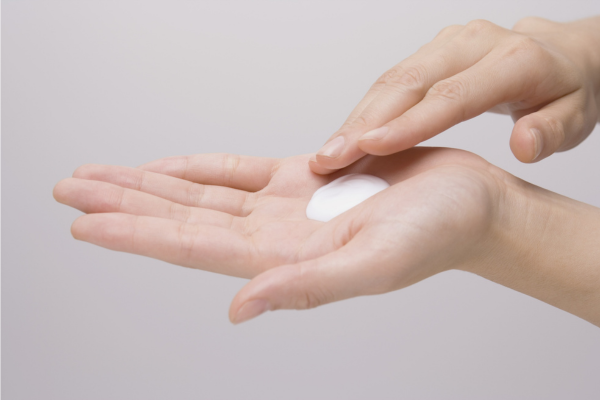
Common Misconceptions About When to Apply Moisturizer on Face
Many people believe that applying moisturizer only in the morning or only at night is enough. Others think that oily skin doesn’t need moisturizer or that applying moisturizer can clog pores. Let’s clear up these misconceptions:
- People with oily skin often think they don’t need moisturizer, but they actually do benefit from it. The key is choosing a lightweight, oil-free moisturizer that balances your skin’s oil production.
- “Moisturizer causes breakouts.” Not all moisturizers are comedogenic. Look for non-comedogenic labels and ingredients suitable for your skin type.
- “Applying moisturizer only once a day is enough.” For most skin types, applying moisturizer twice daily—morning and night—is ideal for maintaining hydration and skin health.
- “Moisturizers are only for dry skin.” All skin types need hydration. Even oily and acne-prone skin require moisturizers that are formulated for their specific needs.
Overview of the Blog Focus: Morning, Evening, or Both?
Understanding when to apply moisturizer on face depends on your skin type, your environment, and your skin’s needs. Applying moisturizer at the right times maximizes its benefits, such as providing protection during the day and aiding repair at night.
Most skincare experts recommend applying moisturizer twice daily: once in the morning to protect and hydrate, and once at night to help your skin repair and regenerate. However, some may benefit from additional reapplication during the day, especially if they have very dry skin or are exposed to harsh weather conditions.
In the following sections, we’ll explain what moisturizers do, their benefits, how to choose the right one, and when exactly to apply them to get the best results. Whether you’re a skincare beginner or looking to refine your routine, understanding these basics will help you achieve that natural, radiant glow.
What Does a Moisturizer Do?
Moisturizers are skin care items made to keep the skin hydrated and retain moisture. But how exactly do they work? Let’s break it down.
Moisturizers create a barrier on your skin’s surface that prevents water loss. Many contain humectants like glycerin and hyaluronic acid, which draw water from the environment or deeper layers of the skin to your surface. Others include occlusives such as petrolatum or oils, which form a protective layer preventing moisture from escaping. Emollients like ceramides and fatty acids help to smooth and soften the skin, filling in gaps between skin cells.
Key Ingredients and Their Benefits
| Ingredient | Function | Benefits |
|---|---|---|
| Hyaluronic Acid | Humectant that attracts water | Deep hydration, plumping skin |
| Glycerin | Humectant, draws moisture from air | Keeps skin moist and supple |
| Ceramides | Lipids that restore skin barrier | Protects against environmental damage, reduces dryness |
| Petrolatum/Oils | Occlusive agents | Locks in moisture, creates a barrier |
Types of Moisturizers
Moisturizers come in different forms to suit various skin types and preferences:
- Gel-based: Lightweight, absorbs quickly, suitable for oily or acne-prone skin.
- Creams: Richer, hydrating, ideal for dry or mature skin.
- Lotions: Moderate consistency, good for normal to combination skin.
- Oil-based: For very dry skin, nourishing and deeply moisturizing.
Choosing the right type depends on your skin’s needs, the climate, and personal preference.
Benefits of Moisturizing Your Face
Regularly applying moisturizer offers multiple benefits:
- Hydration and Skin Barrier Protection: Keeps skin soft, smooth, and resilient.
- Prevents Dryness, Flakiness, and Irritation: Especially important in cold or dry weather.
- Anti-aging Effects: Maintains skin elasticity, reduces fine lines.
- Enhances Skin Radiance: Makes your skin look healthy and glowing.
- Overall Skin Health: Supports the natural functions and defenses of your skin.
To maximize these benefits, it’s crucial to understand when to apply moisturizer on face and use the appropriate product at the right times.
How to Choose the Right Moisturizer
Choosing the right moisturizer is all about matching it to your skin type and specific needs. Here’s a quick guide:
| Skin Type | Recommended Moisturizer Type | Key Ingredients |
|---|---|---|
| Oily/Acne-prone | Oil-free, gel-based, non-comedogenic | Salicylic acid, niacinamide, hyaluronic acid |
| Dry | Rich creams, ointments | Ceramides, glycerin, shea butter |
| Sensitive | Fragrance-free, soothing formulas | Aloe vera, chamomile |
| Combination | Lightweight, balancing lotions or gels | Hyaluronic acid, niacinamide |
Tips for Choosing a Moisturizer for Different Seasons
- Summer: Light, oil-free, with SPF for sun protection.
- Winter: Richer, more nourishing, possibly with occlusives.
- Transition seasons: Balance between light and rich formulas.
Why Timing Matters: When to Apply Moisturizer on Face
The timing of your moisturizer application directly impacts its effectiveness. Applying it at the wrong time or in the wrong way can reduce benefits or even cause issues like clogged pores or dryness.
- In the morning: Applying moisturizer after cleansing and serum helps protect your skin throughout the day.
- At night: Applying moisturizer after cleansing supports skin repair and regeneration while you sleep.
The next part of this guide will explore the best times to apply moisturizer in detail, including how skin’s needs differ during day and night, and practical tips to optimize your routine.
The Role of the Skin’s Natural Cycle
Your skin naturally regenerates itself during the night, making it an ideal time for nourishing treatments and richer moisturizers. During the day, your skin is exposed to environmental stressors like UV rays, pollution, and wind. Applying a good moisturizer during the day helps create a protective barrier against these elements.
The Best Times to Apply Moisturizer and Practical Tips
Understanding when to apply moisturizer on face is crucial for achieving healthy, radiant skin. Your skin’s needs change throughout the day, so tailoring your routine accordingly can make a big difference. In this section, we’ll explore the benefits of morning and evening moisturizing, step-by-step routines, and expert tips to help you get the most out of your skincare.
Morning Routine: When to Apply Moisturizer on Face
Benefits of Applying Moisturizer in the Morning
Starting your day with a good moisturizer sets a strong foundation for your skin. Morning application helps hydrate your skin after a night of rest and prepares it to face the day’s environmental stressors. It also creates a smooth base if you wear makeup.
Why morning moisturizing is important:
- Keeps your skin hydrated throughout the day
- Protects against pollution, dirt, and UV rays
- Enhances your skin’s natural glow
- Prevents dryness caused by air conditioning or heating
How Morning Application Helps Protect Against Environmental Stressors
Throughout the day, your skin encounters various issues like sunlight, air pollution, wind, and dirt. A good moisturizer with added sun protection (SPF) or antioxidants creates a barrier that shields your skin from these harmful elements.
Step-by-Step Morning Skincare Routine
- Cleanse: Use a gentle cleanser suited for your skin type to remove overnight oil and dirt.
- Tone (optional): Apply toner if you use one, to balance your skin’s pH.
- Serum (optional): Add a serum packed with antioxidants or vitamin C for extra protection.
- Moisturize: Apply a lightweight moisturizer that contains SPF or antioxidants.
- Sun Protection: If your moisturizer doesn’t have SPF, follow with a broad-spectrum sunscreen.
Best Ingredients for Morning Moisturizers
- SPF: Protects against UV rays, preventing premature aging and skin damage.
- Antioxidants: Help fight free radicals caused by pollution and sunlight.
- Light textures: Gel or lotion-based moisturizers absorb quickly and don’t feel heavy.
Evening Routine: When to Apply Moisturizer on Face
Why Night-Time Moisturizing Is Crucial
When night falls, your skin has the opportunity to heal and renew itself. Applying moisturizer in the evening fuels this process, helping your skin recover from daily stress and environmental damage.
Benefits of nighttime moisturizing:
- Supports skin cell renewal
- Nourishes skin with richer, more hydrating ingredients
- Helps lock in moisture overnight
- Prepares your skin for the next day
How Nighttime Application Supports Skin Repair
While you sleep, your skin undergoes repair and regeneration. Using a nourishing moisturizer enhances this process, especially if it contains ingredients like retinol or nourishing oils that are best used at night.
Step-by-Step Evening Skincare Routine
- Remove makeup and cleanse: Use a gentle cleanser to clear away dirt, oil, and makeup.
- Tone (if used): To prepare your skin for better absorption.
- Treatment (optional): Apply targeted treatments like retinol, serums, or exfoliants.
- Moisturize: Use a richer, nourishing moisturizer suited for nighttime.
- Eye cream (optional): Gently apply around the eyes for added care.
Ingredients Ideal for Nighttime
- Retinol: Promotes cell turnover and reduces signs of aging.
- Nourishing oils: Such as argan, jojoba, or rosehip oils for deep hydration.
- Rich textures: Creams or balms that provide intense moisture.
Can You Apply Moisturizer at Night?
Clarifying Common Doubts
Yes! Moisturizer at night is not only okay but highly recommended. Many people wonder if they should skip moisturizer or use a different product.
Benefits of Night Moisturizer
Night creams are often more nourishing and contain active ingredients that aren’t suitable for daytime use. They help your skin repair and rejuvenate while you sleep.
Difference Between Day and Night Moisturizers
| Aspect | Day moisturizers | Night moisturizers |
|---|---|---|
| Purpose | Protection, Hydration, Sun Defense | Repair, Nourishment, Skin Renewal |
| Key Ingredients | SPF, Antioxidants, Light Texture | Retinol, Nourishing Oils, Rich Texture |
| Skin Needs | Barrier protection from environmental damage | Repair and regeneration |
| Application Timing | After cleansing and serum, before makeup or SPF | After cleansing and treatment, before bed |
Should You Use Moisturizer Both Morning and Night?
The Advantages of a Twice-Daily Routine
Applying moisturizer twice a day ensures your skin stays hydrated, protected, and nourished. It supports a strong skin barrier, keeps skin moisturized, and boosts radiance.
How to Tailor Your Routine Based on Skin Type and Concerns
| Skin Type | Morning Routine | Evening Routine |
|---|---|---|
| Oily | Oil-free, mattifying, SPF | Light, gel-based, controls oil |
| Dry | Hydrating, SPF, nourishing | Rich creams, nourishing oils |
| Sensitive | Fragrance-free, soothing | Calm, minimal ingredients |
| Combination | Balance oil and hydration | Manage oil and dryness |
Example Routines for Different Skin Types
- Oily Skin: Gel moisturizer with SPF in the morning; oil-control gel at night.
- Dry Skin: Hydrating cream with SPF; rich nourishing night cream.
- Sensitive Skin: Fragrance-free moisturizer; soothing night balm.
- Normal Skin: Light moisturizer with SPF; balanced night cream.
Special Tips for Maximizing Moisturizer Effectiveness
How to Layer Skincare Products
- Always start with cleansing.
- Follow with toner or essence.
- Apply lighter serums first.
- Finish with moisturizer to lock everything in.
Tips on Application Techniques
- Use clean fingertips or a gentle brush.
- Pat gently; don’t rub aggressively.
- For better absorption, put moisturizer on your skin while it’s still a bit damp.
When to Reapply During the Day (If Needed)
If you have very dry or harsh environments, consider reapplying moisturizer mid-day. Use a small amount and avoid overloading your skin.
Comparing Morning and Evening Moisturizer Use
| Aspect | Morning Moisturizer | Evening Moisturizer |
|---|---|---|
| Purpose | Protection, Hydration, Sun Defense | Repair, Nourishment, Skin Renewal |
| Key Ingredients | SPF, Antioxidants, Light Texture | Retinol, Nourishing Oils, Rich Texture |
| Skin Needs | Barrier protection from environmental damage | Repair and regeneration |
| Application Timing | After cleansing and serum, before makeup or SPF | After cleansing and treatment, before bed |
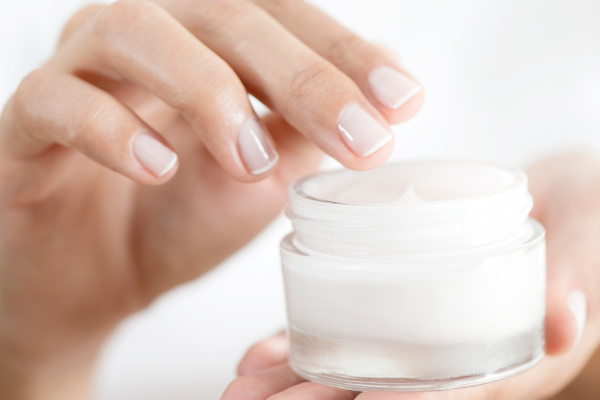
Summary of the Best Times and When to Apply Moisturizer on Face
- Morning: To hydrate, protect, and prepare your skin for the day.
- Evening: To nourish, repair, and support skin regeneration overnight.
- Both: For balanced, radiant skin, especially if you want to maintain optimal hydration and protection.
Final Tips for a Radiant, Healthy Skin
- Consistency is key. Stick to your routine.
- Choose the right moisturizer for your skin type.
- Incorporate SPF into your morning routine.
- Don’t forget your neck and décolletage.
- Listen to your skin; adjust your routine as needed.
This comprehensive guide will help you understand when to apply moisturizer on face for the best results. Proper timing, suitable products, and consistent habits will give you that glowing, healthy skin you desire!
Dive into our comprehensive guide with the title, “Step-by-Step Skincare Routine: When to Apply Moisturizer on Face for Optimal Skin Benefits”. This blog post will walk you through the best practices for skincare, emphasizing when to apply moisturizer on face for flawless skin. Learn the correct timing to maximize hydration and skin health.
Whether you’re a skincare novice or a routine enthusiast, understanding when to apply moisturizer on face during your daily routine is key. Follow this step-by-step routine to unlock the full potential of your moisturizer and enjoy healthy, glowing skin every day.






Leave a reply