
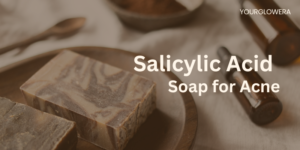
Dealing with acne can be frustrating, especially when you’re surrounded by dozens of products all promising clear skin. Among the many options out there, salicylic acid soap for acne has earned its reputation as one of the most reliable and budget-friendly solutions available. It works by going deep into your pores and clearing out the gunk that triggers breakouts in the first place.
What makes it especially appealing is how adaptable it is — whether your skin leans oily, dry, or somewhere in between, this ingredient can be worked into a routine that actually suits you. Dermatologists have long backed salicylic acid as a go-to treatment because it handles everything from surface-level blackheads to more persistent cystic acne. The real advantage here is its two-pronged approach: it clears up current pimples while also stopping new ones from showing up.
When you make salicylic acid soap a consistent part of your skincare routine, you’re not just fighting today’s breakout — you’re building a habit that pays off over time. It’s also far gentler on the skin compared to aggressive chemical treatments, so it doesn’t strip away your skin’s natural protection. It works well on common breakout zones like the face, back, and chest, making it versatile enough for all kinds of acne struggles. Teenagers dealing with hormonal shifts and adults battling stress-related skin issues can both benefit from it.
At its core, salicylic acid belongs to the beta hydroxy acid (BHA) family, which means it’s oil-soluble. This is the key reason it outperforms many other acne treatments — it can actually push through the sebum clogging your pores rather than just sitting on top of your skin. Over time, regular use can visibly reduce redness, calm inflammation, and even help fade the appearance of post-acne marks.
Table of Contents
Understanding Salicylic Acid and How Does It Work?
Salicylic acid is a beta hydroxy acid (BHA) that originally comes from willow bark. It’s been around in natural medicine for ages, but skincare science has refined it into a highly effective acne-fighting ingredient. The reason it works so well comes down to its chemistry — while most acids used in skincare are water-soluble and only work on the skin’s surface, salicylic acid is oil-soluble (lipophilic). That means it can travel through oil-based blockages, reach deep into your sebaceous glands, and break apart the hardened plugs that clog pores.
Once inside the pore, it loosens the connections between dead skin cells, allowing them to shed more easily. This prevents the buildup of debris that eventually turns into blackheads or whiteheads. On top of that, it carries genuine anti-inflammatory properties, meaning it helps shrink the swelling and tone down the redness around active breakouts — not just treat the surface.
Salicylic Acid Concentration Guide
| Concentration | Best For | Usage Recommendation |
|---|---|---|
| 0.5% – 1% | Sensitive skin, beginners | Daily use for mild acne and maintenance |
| 2% | Most skin types | Standard concentration for moderate acne |
| 3% – 6% | Stubborn acne | Use 2–3 times weekly, professional guidance recommended |
Key Benefits of Using Salicylic Acid Soap for Acne
Picking the right acne soap means looking beyond marketing claims and understanding what the ingredient actually does for your skin.
Exfoliation and Cell Turnover
Salicylic acid soap speeds up how quickly your skin renews itself. Faster cell turnover means dead skin doesn’t pile up on the surface and trap bacteria and oil underneath. Unlike physical scrubs that can be rough and irritating, this chemical exfoliation is much gentler — suitable for daily use without causing micro-tears or sensitivity flares.
Anti-Inflammatory Properties
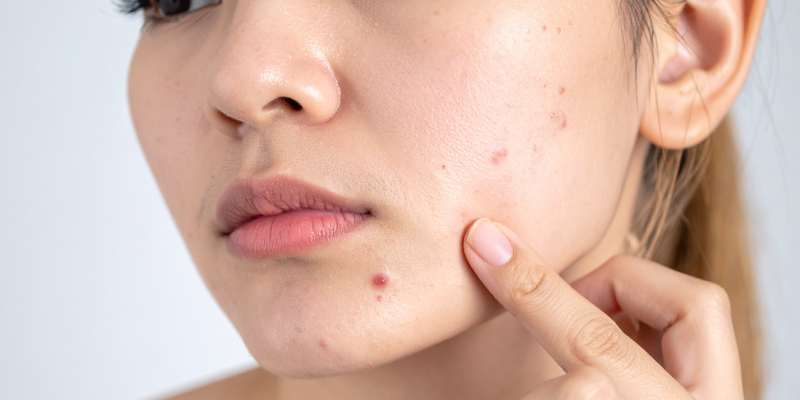
Acne isn’t just about clogged pores — it’s also an inflammatory response. The skin around a pimple becomes swollen, red, and sometimes painful. Salicylic acid helps calm that reaction, making breakouts less visible and easier to tolerate. This is especially helpful for people prone to cystic acne, where the inflammation tends to run deeper.
Oil Control and Sebum Regulation
If your skin tends to get oily throughout the day, salicylic acid soap can help bring that under control. It doesn’t shut down oil production entirely — which would actually be harmful — but it helps regulate it to a healthier level. This keeps pores from constantly getting clogged and makes it a solid pick for combination skin types too.
How to Properly Use Salicylic Acid Soap for Maximum Results
Consistency and correct technique are everything when it comes to getting real results. Over-applying or using it the wrong way can either reduce its effectiveness or leave your skin irritated — so starting slow and following the right steps matters.
Step-by-Step Application Guide
Step 1: Wet Your Skin
Start by wetting your face with lukewarm water. Stay away from hot water, which can deplete your skin’s natural oils and make it more prone to irritation. When using salicylic acid soap for acne on your body, ensure the affected areas are thoroughly moistened.
Step 2: Create a Lather
Work the salicylic acid soap for acne between your hands to create a gentle lather. You don’t need excessive foam—a small amount is sufficient for effective cleaning.
Step 3: Apply in Circular Motions
Use your fingertips to softly work the foam into your skin with gentle circular movements. Focus on acne-prone areas but avoid scrubbing too hard. The active ingredients in soap for pimples need time to work, so let the lather sit on your skin for 30-60 seconds before rinsing.
Step 4: Rinse Thoroughly
Rinse off the salicylic acid soap for acne completely with cool to lukewarm water. Ensure no residue remains, as leftover product can cause dryness or irritation.
Step 5: Pat Dry and Moisturize
Lightly press a clean towel against your skin to absorb moisture. Avoid rubbing, as it may cause irritation on skin that has just been cleaned. Follow up with an oil-free, non-comedogenic moisturizer to maintain skin hydration.
Salicylic Acid Soap for Different Skin Types
Not all skin types respond the same way to salicylic acid soap for acne. Understanding your skin type helps you choose the right concentration and frequency of use to maximize benefits while minimizing potential side effects.
| Skin Type | Recommended Approach | Frequency |
|---|---|---|
| Oily Skin | 2% concentration, can tolerate daily use | Once or twice daily |
| Dry Skin | 0.5-1% concentration, follow with heavy moisturizer | Every other day or 3x per week |
| Combination Skin | 1-2% concentration, focus on T-zone | Once daily, adjust as needed |
| Sensitive Skin | 0.5% concentration, patch test first | 2-3 times per week maximum |
For Oily and Acne-Prone Skin
If you have oily skin, salicylic acid soap for acne is particularly beneficial because it can penetrate the excess sebum that characterizes this skin type. People with oily skin often find that salicylic acid soap for acne helps control shine throughout the day while preventing new breakouts. The best soap for pimples for oily skin typically contains 2% salicylic acid, which provides effective treatment without over-drying.
For Dry and Sensitive Skin
Those with dry or sensitive skin need to approach salicylic acid soap for acne with more caution. Lower concentrations (0.5-1%) are ideal, and it’s crucial to follow up with a hydrating moisturizer. The salicylic acid effect on skin can be slightly drying, but this can be managed with proper moisturization. Start slowly—perhaps using salicylic acid soap for acne only 2-3 times per week—and gradually increase frequency as your skin adjusts.
For Combination Skin
People with combination skin face a mix of oily zones, typically in the forehead, nose, and chin, along with drier patches on other parts of the face. salicylic acid soap for acne can work well for combination skin when used strategically. Consider focusing the application on oily, acne-prone areas while being gentler on drier regions. A 1-2% concentration typically works well for this skin type.
Combining Salicylic Acid Soap with Other Treatments
While salicylic acid soap for acne is effective on its own, it can be even more powerful when combined with complementary treatments. Many dermatologists recommend using salicylic acid gel uses as a spot treatment in addition to your regular cleansing routine with salicylic acid soap for acne.
Salicylic Acid Gel as a Spot Treatment
The salicylic acid gel uses extend to targeted treatment of stubborn pimples. After cleansing with salicylic acid soap for acne, applying a gel formulation to active breakouts provides an extra dose of medication where it’s needed most. This layered approach allows you to treat your entire face preventatively with the soap while addressing specific problem areas with the gel.
Pairing with Moisturizers and Sunscreen
Because salicylic acid soap for acne can increase skin sensitivity, it’s essential to use a broad-spectrum sunscreen daily. Choose oil-free, non-comedogenic formulas that won’t clog pores. Similarly, select moisturizers that complement your acne treatment rather than counteracting it. Look for ingredients like hyaluronic acid, niacinamide, or ceramides that hydrate without adding excess oil.
Common Mistakes to Avoid When Using Salicylic Acid Soap
Even with the best soap for pimples, improper use can lead to disappointing results or unwanted side effects. Here are the most common mistakes people make when using salicylic acid soap for acne:
- Overuse and Over-Exfoliation
The most frequent error is using salicylic acid soap for acne too frequently or in too high a concentration. More is not always better. Overdoing exfoliation can weaken your skin barrier, causing increased irritation, redness, and more pimples. If you notice excessive dryness, peeling, or irritation, reduce your usage frequency.
- Skipping Moisturizer
Many people with oily skin mistakenly believe they don’t need moisturizer when using salicylic acid soap for acne. This is a critical error. When skin becomes too dry, it actually produces more oil to compensate, potentially worsening acne. Always follow up with an appropriate moisturizer, even if you have oily skin.
- Mixing Incompatible Products
Be cautious about combining salicylic acid soap for acne with other strong active ingredients like benzoyl peroxide, retinoids, or AHAs without professional guidance. While these combinations can be effective under dermatological supervision, unsupervised use can cause severe irritation and damage.
What Results Can You Expect from Salicylic Acid Soap?
Understanding realistic expectations helps you stay committed to your skincare routine with salicylic acid soap for acne. Acne treatment is a gradual process, and patience is essential for seeing significant improvements.
Timeline of Expected Results
| Timeframe | What to Expect |
|---|---|
| Week 1-2 | Skin adjustment period – possible initial purging, reduced surface oil |
| Week 3-4 | Noticeable reduction in blackheads and whiteheads, smoother skin texture |
| Week 6-8 | Significant improvement in active breakouts, fewer new pimples forming |
| Week 10-12 | Clearer skin overall, improved skin tone, reduced post-acne marks |
| 3+ Months | Sustained clear skin with continued use, long-term acne prevention |
The Initial Purging Phase
When you first start using salicylic acid soap for acne, you might experience what’s called a “purging” phase. This occurs because the salicylic acid effect on skin accelerates cell turnover, bringing underlying clogs to the surface more quickly. Don’t be discouraged if you see a temporary increase in breakouts during the first 2-3 weeks. This is actually a sign that the product is working, clearing out debris from deep within your pores.
Long-Term Benefits
With consistent use of salicylic acid soap for acne over several months, you’ll notice not just fewer breakouts, but overall improvement in skin quality. The soap helps minimize pore appearance, even out skin tone, and reduce the visibility of acne scars. Many users find that after 3-6 months of regular use, their skin requires less intervention to stay clear.
How to Choose the Best Salicylic Acid Soap for Your Needs
Not all salicylic acid soap products are created equal. When shopping for soap for pimples, consider several factors to ensure you’re getting a high-quality product that will deliver results.
- Check the Concentration
The concentration of salicylic acid should be clearly listed on the product label. For facial use, look for salicylic acid soap for acne with 0.5-2% salicylic acid. Body acne may benefit from slightly higher concentrations (up to 3%), but start lower and adjust as needed.
- Look for Supporting Ingredients
The best soap for pimples often contains complementary ingredients that enhance the benefits of salicylic acid while minimizing potential irritation. Look for soothing ingredients like aloe vera, chamomile, or green tea extract. Avoid products with harsh sulfates, artificial fragrances, or known irritants, especially if you have sensitive skin.
- Consider the pH Level
For salicylic acid soap for acne to work effectively, the product needs to be formulated at the right pH. The optimal pH range for salicylic acid to work best is around 3 to 4. While you might not always find pH information on the label, reputable brands formulate their products within this optimal range.
Safety Considerations and Potential Side Effects
While salicylic acid soap for acne is generally safe for most people, it’s important to be aware of potential side effects and contraindications. Understanding these helps you use the product safely and know when to seek professional advice.
Common Side Effects
The most common side effects of salicylic acid soap for acne include mild dryness, peeling, and temporary redness. Usually, these effects don’t last long and lessen as your skin adapts to the product. If you experience severe burning, blistering, or persistent irritation, discontinue use and consult a dermatologist.
Who Should Avoid Salicylic Acid?
Certain groups should exercise caution or avoid salicylic acid soap for acne altogether. Pregnant and breastfeeding women should consult their healthcare provider before use, as salicylic acid can be absorbed through the skin. People with aspirin allergies should also avoid salicylic acid products, as they’re chemically related.
Sun Sensitivity
The salicylic acid effect on skin includes increased photosensitivity. This means your skin becomes more susceptible to sun damage while using salicylic acid soap for acne. Always apply a broad-spectrum SPF 30 or higher sunscreen during the day, regardless of weather conditions. This precaution prevents sunburn and helps avoid hyperpigmentation that can occur when acne-treated skin is exposed to UV rays.
Supporting Your Acne Treatment with Lifestyle Changes
While salicylic acid soap for acne is a powerful tool in fighting breakouts, its effectiveness can be significantly enhanced by complementary lifestyle choices. A holistic approach to acne treatment addresses both external and internal factors that contribute to skin health.
- Diet and Hydration
Your eating habits have a big impact on how healthy your skin looks. While using salicylic acid soap for acne, consider reducing dairy intake and foods with a high glycemic index, as research suggests these may exacerbate acne. Increase consumption of omega-3 fatty acids, antioxidant-rich fruits and vegetables, and drink plenty of water to support your skin’s healing processes.
- Stress Management
Stress triggers hormonal fluctuations that can worsen acne. Combining salicylic acid soap for acne with stress-reduction techniques like regular exercise, adequate sleep, meditation, or yoga can improve your results. When your body is less stressed, inflammation decreases, and your skin has a better chance to heal.
- Hygiene Habits
Maximize the benefits of salicylic acid soap for acne by maintaining good hygiene habits. Change your pillowcases regularly (at least weekly), avoid touching your face throughout the day, and clean items that contact your skin frequently, such as phones and makeup brushes. These simple practices prevent reintroducing bacteria to freshly cleansed skin.
When to Consult a Dermatologist
While salicylic acid soap for acne is effective for many people, some cases require professional medical intervention. Knowing when to seek expert help ensures you don’t waste time on treatments that may not be strong enough for your specific condition.
Signs You Need Professional Help
If you’ve been consistently using salicylic acid soap for acne for 12 weeks without significant improvement, it’s time to see a dermatologist. Severe cystic acne, acne that causes scarring, or breakouts accompanied by pain and deep nodules all warrant professional evaluation.
A dermatologist can prescribe stronger treatments, such as topical or oral antibiotics, retinoids, or hormonal therapies that work alongside your salicylic acid soap for acne routine.
Combination Therapies
Dermatologists often recommend using salicylic acid soap for acne as part of a comprehensive treatment plan. They might pair it with prescription medications, professional treatments like chemical peels or laser therapy, or other interventions tailored to your specific acne type.
Professional guidance ensures you’re using multiple treatments safely without causing excessive irritation or contradictory effects.
Conclusion
Salicylic acid-based soap remains a popular, cost-effective choice for treating acne across various skin types. Its ability to penetrate pores, exfoliate dead skin cells, and reduce inflammation makes it a cornerstone of many successful acne treatment regimens. Whether you’re dealing with occasional pimples or more persistent acne, salicylic acid soap for acne offers a scientifically-backed solution that delivers real results.
To see improvements with salicylic acid soap for pimples, be patient, stay consistent, and apply it properly. Start with an appropriate concentration for your skin type, use it as directed, and always follow up with moisturizer and sunscreen. Observe how your skin reacts and modify your skincare routine as needed. Combined with healthy lifestyle choices and, when necessary, professional guidance, salicylic acid soap for acne can help you achieve the clear, healthy skin you deserve.
Each person’s journey to clearer skin is distinct and customized to their own situation. While salicylic acid soap for acne provides the foundation, your commitment to a consistent routine and willingness to adapt based on your skin’s needs will ultimately determine your success. Take the first step today, and remember that every day of treatment brings you closer to the confident, clear-skinned version of yourself you’re working toward.
If you’re looking to improve your skincare routine, I highly recommend reading my blog post on, “Salicylic Acid Soap for Acne: How to Use It Correctly and Get the Best Skin Results”. This guide provides essential tips on how to properly incorporate salicylic acid soap for acne into your daily regimen to achieve clear and healthier skin.
Understanding the correct usage can make a significant difference in managing breakouts and preventing acne. Don’t miss out on expert advice tailored to help you get the best results from salicylic acid soap for acne.

Leave a reply