
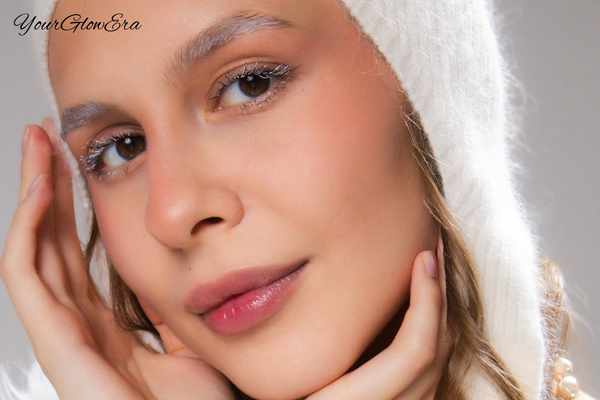
Understanding Whiteheads and Their Causes
Introduction
Whiteheads are one of the most common skin concerns, especially for those battling acne-prone skin. If you’re searching for skincare for whiteheads, you’re not alone! These tiny, stubborn bumps can be frustrating, but understanding what causes whiteheads is the first step toward effective treatment and prevention. Whether you’re a teenager experiencing hormonal changes or an adult dealing with stress-related breakouts, knowing the root causes helps you tailor your skincare routine for best results.
So, what exactly are whiteheads? Why do they appear on certain parts of your face and not others? And most importantly, how can you incorporate skincare for whiteheads that really works? Let’s dive deep into this skin concern, unraveling the mysteries behind whiteheads and exploring how you can keep your skin clear, healthy, and glowing.
Table of Contents
What Are Whiteheads? A Clear Explanation
Whiteheads are a type of acne, classified as closed comedones. They appear as small, white or flesh-colored bumps on the skin—mainly on the face, especially around the nose, chin, and forehead. Unlike blackheads, which are open comedones with a dark surface, whiteheads are blocked hair follicles filled with a mixture of oil, dead skin cells, and bacteria, sealed beneath the skin’s surface.
Visual Description: Imagine tiny, smooth bumps that don’t usually cause pain but can be unsightly and sometimes itchy. When pressed, they don’t burst like pimples but can sometimes be squeezed if not careful, leading to infection or scarring.
How They Differ From Other Acne Types:
| Acne Type | Appearance | Key Feature | Common Location |
|---|---|---|---|
| Whiteheads | Small, white or flesh-colored bumps | Closed comedones, blocked follicles | Nose, chin, forehead |
| Blackheads | Dark, open surface bumps | Open comedones, oxidized oil | T-zone, cheeks |
| Pimples (Papules) | Red, inflamed bumps | Bacterial infection, inflammation | Entire face |
| Cysts / Nodules | Large, painful lumps | Deep, severe acne, scarring | Cheeks, jawline |
Understanding these differences emphasizes the importance of targeted skincare for whiteheads rather than applying general acne treatments blindly.
Causes of Whiteheads
Knowing what causes whiteheads helps you develop a more effective skincare routine. Here are the main factors:
Hormonal Changes
Hormones are a major culprit behind whiteheads, especially during puberty, pregnancy, or hormonal imbalances. Elevated androgen levels increase oil production in the sebaceous glands, leading to clogged pores. This is why many teenagers, pregnant women, or women on hormonal therapies notice more whiteheads.
Excess Oil Production
Our skin naturally produces oil (sebum), which keeps the skin hydrated. However, overactive sebaceous glands—due to genetics or hormonal fluctuations—produce excess oil. When combined with dead skin cells, this oil can clog hair follicles, resulting in whiteheads.
Clogged Hair Follicles
Dead skin cells are constantly shed, but sometimes they don’t shed properly. Instead, they accumulate and block hair follicles. This process is accelerated by poor exfoliation or using harsh skincare products that strip the skin of natural oils, prompting the skin to produce even more oil in response.
Poor Skincare Habits
- Over-washing or harsh cleansers: Stripping too much oil causes the skin to produce more oil, leading to clogged pores.
- Using comedogenic products: Products that clog pores can cause whiteheads to form.
- Not removing makeup properly: Residue can block pores, especially if not cleaned thoroughly.
Diet and Lifestyle Factors
- High sugar and dairy intake: Some studies suggest a link between diets high in sugar and dairy and increased acne, including whiteheads.
- Stress: Chronic stress stimulates hormone production that can increase oil secretion.
- Lack of sleep: Disrupts skin cell renewal and immune function, making skin more prone to whiteheads.
Environmental Factors
- Pollution and humidity: Pollutants can clog pores, while humidity increases oil production.
- Exposure to harsh weather: Windburn or extreme cold can compromise the skin barrier, leading to clogged pores.
Genetics
If your family members tend to get whiteheads or acne, chances are you might inherit a predisposition. Genetic factors influence skin oiliness and pore size, making some more prone to whiteheads.

Common Myths About Whiteheads
Let’s bust some myths that might be preventing you from adopting the right skincare for whiteheads:
- Myth: Popping whiteheads makes them go away faster.
Fact: Popping can push bacteria and debris deeper, leading to infection, scars, and worse breakouts. - Myth: Whiteheads are caused only by dirt.
Fact: They are primarily caused by excess oil, dead skin buildup, and hormones, not dirt. - Myth: You should scrub aggressively to clear whiteheads.
Fact: Harsh scrubbing damages the skin and worsens whiteheads. Gentle exfoliation is key.
The Impact of Whiteheads on Skin and Confidence
Whiteheads may seem small, but their impact on confidence can be significant. Many individuals feel self-conscious about visible bumps, especially on prominent areas like the nose or chin. This emotional toll can lead to social withdrawal or low self-esteem.
Proper skincare for whiteheads isn’t just about improving appearance—it’s about boosting confidence and maintaining overall skin health. When managed effectively, whiteheads can reduce their appearance, prevent future breakouts, and help you feel more comfortable in your skin.
How to Identify Whiteheads on Your Face
Recognizing whiteheads is simple if you know what to look for:
- Small, white or flesh-colored bumps.
- Usually not painful unless inflamed.
- Commonly located on the nose, chin, and forehead.
- No pus or redness unless infected or inflamed.
Differentiating whiteheads from other skin issues like pimples or cysts is crucial for choosing the right treatment. For instance, cysts are larger and painful, requiring professional intervention, whereas whiteheads respond well to targeted skincare for whiteheads.
Why Proper Skincare for Whiteheads Is Essential
Applying the right skincare for whiteheads helps prevent their formation and reduces existing bumps. It maintains skin’s health by:
- Preventing clogging of pores.
- Reducing excess oil.
- Controlling bacteria and inflammation.
- Improving overall skin texture and tone.
Developing a tailored skincare routine focusing on gentle cleansing, exfoliation, targeted treatments, and sun protection makes a significant difference.
Core Principles for Skincare for Whiteheads
Achieving clear, healthy skin involves understanding and applying some fundamental principles, especially when dealing with whiteheads. Whether you’re battling stubborn white acne on face or trying to prevent future breakouts, adopting a gentle, consistent skincare for whiteheads routine is essential. Let’s explore the core principles that form the foundation of effective skincare for whiteheads and help you regain your skin’s natural glow.
Gentle Cleansing: The First Step to Clear Skin
Why it matters:
Cleansing is the cornerstone of skincare for whiteheads. The purpose is to clean off excess oil, dirt, and impurities without drying out your skin’s natural moisture. Over-washing or using harsh cleansers can aggravate whiteheads, so choose products that are gentle yet effective.
Key tips:
- Use a non-comedogenic, sulfate-free cleanser twice daily.
- Look for mild formulas that contain soothing ingredients like aloe vera or chamomile.
- Ensure your cleanser is suitable for your skin type—whether oily, dry, or sensitive.
Recommended products:
- Cetaphil Gentle Skin Cleanser — perfect for skin that needs gentle care and hydration every day.
- Neutrogena Oil-Free Acne Wash — helps manage oil and keeps skin smooth, making it perfect for daily use.
- Himalaya Purifying Neem Face Wash — an affordable Indian option with natural ingredients.
Exfoliation: Unclog Those Pores
Why it’s vital:
Exfoliation helps remove dead skin cells that clog pores and lead to whiteheads. Chemical exfoliants, such as AHAs (alpha hydroxy acids) and BHAs (beta hydroxy acids), are especially effective for skincare for whiteheads because they penetrate deeper and clear out pores more efficiently than physical scrubs.
How often:
- Do not exfoliate more than 2-3 times weekly to prevent skin irritation.
- Over-exfoliating can strip your skin’s natural barrier, worsening whiteheads and causing redness.
Top product picks:
- Paula’s Choice 2% BHA Liquid — a cult favorite for unclogging pores and reducing whiteheads.
- The Ordinary Lactic Acid — a milder exfoliant suitable for sensitive skin.
Pro tip:
Always follow exfoliation with a hydrating toner or serum to soothe the skin.
Targeted Treatments: Hit the Whiteheads Where It Hurts
Why targeted treatments are essential:
Products containing salicylic acid are your best friends for skincare for whiteheads. Salicylic acid penetrates deep into pores, dissolving excess oil and dead skin cells that cause white acne on face.
Spot treatments:
- Use spot treatments on affected areas—avoid applying them all over your face unnecessarily.
- Look for products similar to La Roche-Posay Effaclar Duo with benzoyl peroxide or salicylic acid to reduce whiteheads quickly.
Indian favorites:
- Himalaya Clear Complexion Face Wash — gentle yet effective for daily use to prevent whiteheads.
Moisturization: Keep Your Skin Hydrated & Balanced
Why moisturize:
Many think that oily skin doesn’t need moisturizer, but this is a myth. Proper moisturization helps regulate oil production, which is crucial in skincare for whiteheads.
What to look for:
- Use oil-free, non-comedogenic moisturizers that won’t clog pores.
- Hydrating ingredients like hyaluronic acid and glycerin help maintain moisture levels without adding excess oil.
Recommended picks:
- Cetaphil Hydrating Lotion — light and good for all skin types, keeps skin soft and smooth.
- Plum Green Tea Matte Moisturizer — perfect for oily skin prone to whiteheads.
Sun Protection: Shield Your Skin from UV Damage
Why it’s a must:
Sun damage can worsen whiteheads and cause dark spots or post-inflammatory hyperpigmentation. Protect your skin daily with a broad-spectrum sunscreen.
Tips for skincare for whiteheads:
- Use a SPF 30 or higher sunscreen every morning, even on cloudy days.
- Reapply every 2 hours if outdoors.
Indian brands:
- Lakme Sun Expert — lightweight, suitable for daily wear.
- Neutrogena Ultra Sheer Dry Touch — a popular international choice.
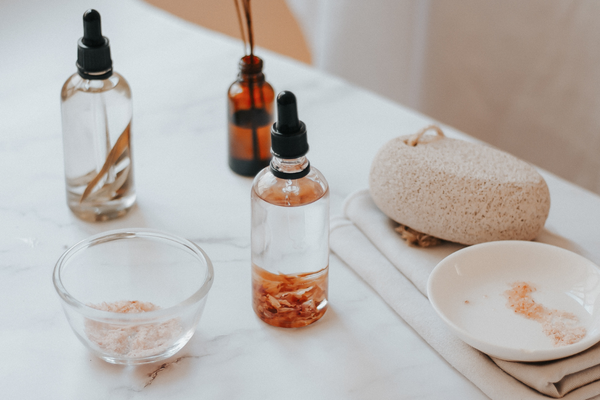
Lifestyle and Dietary Changes for Clearer Skin
Healthy diet:
Incorporate foods rich in antioxidants, vitamins A, C, D, and E. Reduce intake of high sugar, dairy, and fried foods, which can trigger whiteheads.
Stay hydrated:
Keep drinking water to wash away toxins and maintain your skin’s fullness.
Manage stress:
Stress can increase oil production, worsening white acne on face. Practice yoga, meditation, or other relaxation techniques.
Avoid harsh skincare products:
Avoid harsh scrubs or alcohol-based toners that can irritate your skin and make whiteheads worse.
When and How to Remove Whiteheads Safely
Do’s:
- Use warm compresses to soften the skin before gentle extraction.
- Always sterilize tools if you choose to manually remove whiteheads.
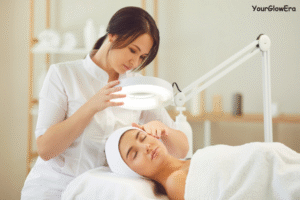
- Consider professional extraction by a dermatologist.
Don’ts:
- Never squeeze or pop whiteheads with your fingers—this can cause scarring and infection.
- Avoid DIY popping with sharp objects or unsterilized tools.
DIY tips:
- Use saline solution or tea tree oil as natural remedies to reduce inflammation.
- If unsure, consult a dermatologist for safe removal.
Professional Treatments & When to Seek a Dermatologist
Chemical peels:
Help unclog pores and smoothen skin texture.
Extraction procedures:
Performed by professionals to remove stubborn whiteheads safely.
Prescription medications:
- Topical retinoids like tretinoin.
- Antibiotics for bacterial control.
When to visit a dermatologist:
Persistent whiteheads that don’t respond to over-the-counter products, or severe breakouts, require professional intervention.
Best Budget-Friendly & Premium Products for Skincare for Whiteheads
| Brand & Product Type | Skin Type | Key Ingredients | Pros | Cons |
|---|---|---|---|---|
| Indian Budget Options | ||||
| Himalaya Purifying Neem Face Wash Gel | Oily/Sensitive | Neem, Turmeric | Affordable, natural | Slightly drying for very sensitive skin |
| Himalaya Clear Complexion Face Wash Gel | Oily/Acne-prone | Licorice, Tulsi | Gentle, effective | Needs consistent use |
| International Premium Choices | ||||
| La Roche-Posay Effaclar Duo Gel | Oily/Acne-prone | Benzoyl peroxide, Salicylic acid | Deep pore cleansing | May cause dryness if overused |
| Paula’s Choice 2% BHA Liquid | All skin types | Salicylic acid | Unclogs pores, reduces whiteheads | Slightly expensive |
| The Ordinary Lactic Acid Serum | Sensitive skin | Lactic acid | Gentle exfoliation | Needs daily use |
Common Mistakes to Avoid
- Popping whiteheads—leads to scarring and infection.
- Over-exfoliating—can cause irritation and worsen white acne on face.
- Using harsh products—irritates skin and triggers more whiteheads.
- Skipping sun protection—exposes skin to UV damage, worsening skin issues.
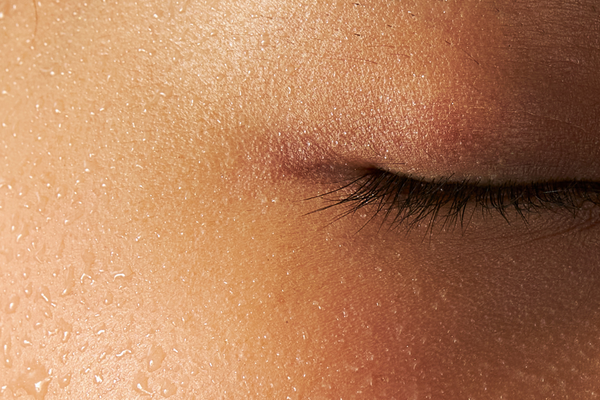
Final Tips for Clear, Radiant Skin
- Consistency is key: Stick with your skincare routine daily.
- Patience pays off: Visible results take time, usually several weeks.
- Patch test new products: Prevent adverse reactions.
- Consult a dermatologist: For persistent or severe cases.
This comprehensive, engaging guide ensures you understand skincare for whiteheads from the basics to advanced treatments, with a focus on affordable and effective products. Keep in mind, getting better skin takes time, not just a quick fix!
If you’re struggling with whiteheads, consider reading our latest blog post, “Skincare for Whiteheads: Do’s and Don’ts for Flawless Skin”, which provides expert advice on how to tackle this common skin concern. This in-depth guide offers practical tips and tricks on how to prevent and treat whiteheads, ensuring you achieve a flawless complexion.
For a radiant and healthy-looking skin, it’s essential to follow a consistent skincare routine that addresses the root causes of whiteheads. By incorporating our do’s and don’ts for flawless skin, you’ll be able to eliminate whiteheads and enjoy a clear, glowing complexion. Our skincare for whiteheads guide is packed with actionable tips and expert-approved recommendations to help you achieve your skincare goals.
Frequently Asked Questions
Does salicylic acid help whiteheads?
Yes, salicylic acid is one of the most effective ingredients in skincare for whiteheads as it penetrates pores, dissolves oil and dead skin cells, and reduces inflammation, preventing future breakouts.
Why does Gen Z wear pimple patches?
Gen Z wears pimple patches to quickly reduce whiteheads and prevent picking, which can worsen acne. These patches absorb pus and oil, promoting faster healing and clearer skin.
What nationality is most prone to acne?
While acne affects all nationalities, studies suggest that individuals of African, Hispanic, and Asian descent may experience higher rates of certain types of acne, influenced by genetics and skincare habits.
Can whiteheads go away naturally?
Whiteheads can sometimes go away naturally as skin exfoliates and renews itself, but persistent whiteheads often require targeted skincare for faster and more effective removal.
What is the best skincare product for whiteheads?
The best skincare product for whiteheads is a salicylic acid-based cleanser or treatment that helps to clear pores and prevent future breakouts, complemented by hydrating, non-comedogenic moisturizers.
Can hyaluronic acid remove whiteheads?
Hyaluronic acid doesn’t directly treat whiteheads but helps maintain skin hydration, preventing overproduction of oil that can clog pores, thus supporting overall skincare for whiteheads.
Is salicylic acid toner good for whiteheads?
Yes, a salicylic acid toner is excellent for skincare for whiteheads as it helps exfoliate dead skin, unclog pores, and reduce inflammation, leading to clearer skin.


Leave a reply