

If you’ve been searching for the perfect Korean skincare routine for combination skin, you’re not alone! Combination skin can be hard to manage. It means some parts of your skin, like the forehead, nose, and chin (the T-zone), are oily, while other areas like the cheeks are dry or normal.
That’s why people with this skin type often feel confused: should you treat it like oily skin or like dry skin? Luckily, the world of korean skin care has solutions that can balance both sides without leaving your skin feeling stripped or greasy.
In this guide, we’ll explore how to build a Korean skincare routine for combination skin that actually works. We’ll go step by step through the 10 step korean skin care process, talk about the best budget-friendly products, and share tips for customizing the routine to your unique needs.
Table of Contents
What Makes Combination Skin Unique?
Combination skin is a mix of two or more skin types on different parts of your face. This is why one product can make part of your skin look amazing and another part look worse. The biggest challenges include:
• Shiny T-zone but firm cheeks: The oil-producing glands are more active in the middle of your face.
• Breakouts and flakiness at the same time: You may see pimples on your forehead and nose while dealing with dry patches near the mouth.
• Foundation issues: Makeup often doesn’t sit well because oily areas break it apart and dry areas make it cling.
• Changing behavior: Your skin might feel greasy in the summer but tend to be dry in the winter.
This “mixed behavior” means you need a skincare routine that is balanced, lightweight, and adaptable. And that’s where the Korean approach shines, especially when it comes to the Korean skincare routine for combination skin.
Why the Korean Skincare Philosophy Works
Korean skincare is globally loved because it’s not just about fixing problems; it’s about prevention and daily care. Instead of harsh cleansers or heavy creams, the philosophy focuses on:
• Layering hydration: Using multiple thin, hydrating products rather than one heavy one.
• Gentle cleansing: Respecting the skin barrier instead of stripping it.
• Personalizing steps: You don’t need to do every step every day—you change it depending on what your skin needs.
• Natural ingredients + science: From rice water to snail mucin, traditional korean beauty secrets meet modern innovation.
Korean skincare routine for combination skin, that is perfect. You get hydration for dry areas, lightweight formulas for oily areas, and products that can be layered differently depending on the season.
The Famous 10 Step Korean Skin Care Routine
Let’s walk through the 10 step korean skincare routine for combination skin, customized. Remember, it’s not necessary to do all ten steps every single day. Think of it as a toolbox—you choose the tools your skin needs most.
1. Oil-Based Cleanser
This is your initial step at night to clean off makeup, sunscreen, and extra oil. Don’t be afraid of oils—Korean cleansing oils are designed to melt impurities without clogging pores.
• Why it works for combination skin: It clears the T-zone of sebum but leaves the cheeks soft.
• Budget choice: The Face Shop Rice Water Bright Cleansing Oil – soft on skin and budget-friendly.
• Pro tip: Massage gently for one minute to break down buildup.
2. Water-Based Cleanser
After oil cleansing, a water-based cleanser makes sure your skin is completely clean. During the morning, there’s no need for an oil cleanser—simply use this one instead.
• Choose low pH formulas to protect your skin barrier.
• Example: Cosrx Low pH Good Morning Gel Cleanser, one of the best korean face wash for combination skin.
3. Exfoliation (2–3 Times Per Week)
Exfoliation removes dead cells that can clog oily pores and make dry patches worse. Korean exfoliants are usually gentle—think rice scrubs, enzyme powders, or AHAs.
• Why it helps: Keeps the nose and chin clear of blackheads while smoothing dry cheeks.
• Avoid overdoing it: More than 3 times a week can irritate.
4. Toner
Toners in korean skin care aren’t the alcohol-heavy kinds you might be used to. They’re moisturizing, calming, and getting your skin ready for what comes next.
• Best ingredients: Hyaluronic acid for hydration, green tea for oil control, centella asiatica for calming.
• Affordable pick: Isntree Green Tea Fresh Toner – lightweight and balancing.
5. Essence
Essence is what makes Korean skincare so unique. It’s like a lightweight serum that hydrates deeply and improves texture.
• Why it’s good for combination skin: Gives moisture without feeling greasy.
• Best choice: Cosrx Advanced Snail 96 Mucin Power Essence, full of healing and restoring benefits.
6. Serum or Ampoule
This step targets specific skin concerns. Combination skin usually benefits from rotating two types of serums:
• For oily areas: Niacinamide or tea tree to control sebum.
• For dry areas: Hyaluronic acid or snail mucin for hydration.
• Budget-friendly: Some By Mi Niacinamide Serum.
7. Sheet Mask (1–2 Times Per Week)
Sheet masks are a treat, not a daily step. They provide a concentrated boost.
• Pro tip: Switch between moisturizing masks (aloe, cucumber, honey) and deep-cleaning masks (green tea, charcoal).
• Fun fact: Koreans use sheet masks to relax after a long day—it’s skincare plus self-care.
8. Eye Cream
The skin around your eyes is delicate and usually feels drier. A lightweight formula works best for combination skin.
• Ingredients to look for: Ginseng, snail mucin, or peptides.
• Why it matters: Prevents fine lines without feeling greasy.
9. Moisturizer
Here’s where most people with combination skin struggle. The trick is to choose different textures for different zones if needed.
• Gel moisturizers: Perfect for oily T-zones.
• Creamy moisturizers: Great for dry cheeks.
• Best affordable option: Etude House SoonJung Hydro Barrier Cream, soothing and light enough for all-over use.
10. Sunscreen (Daytime Only)
The step you should never skip. Sunscreen protects from UV damage, premature aging, and irritation. Korean sunscreens are famous for their elegant textures.
• Top choice: Beauty of Joseon Relief Sun – lightweight, hydrating, and doesn’t leave a white cast.
• Why it’s essential: Sun exposure can worsen both oiliness and dryness.
Budget-Friendly Routine Example
To keep it simple, here’s an example of a basic daily routine using budget-friendly items:
• Morning: Water-based cleanser → Toner → Essence → Serum → Moisturizer → Sunscreen
• Night: Oil-based cleanser → Water-based cleanser → Toner → Essence → Serum → Moisturizer
• Weekly: Add exfoliation 2–3 times and a sheet mask 1–2 times.
This way, you’re still following a Korean skincare routine for combination skin but without overwhelming your schedule or wallet.
How to Customize for Morning vs Night
Another reason Korean skincare is effective is the flexibility between day and night routines.
• Morning focus: Lightweight hydration + sun protection. Think refreshing cleansers, watery toners, and gel creams.
• Night focus: Repair and recovery. You can add richer essences, sheet masks, and barrier creams.
This balance means you’re not overloading your skin with too many products when you need to get out the door in the morning, but you still give your skin time to soak up nourishing layers while you sleep, making it an essential part of your Korean skincare routine for combination skin.
Seasonal Adjustments for Combination Skin
One of the challenges with combination skin is that it doesn’t behave the same all year. That’s why customizing your Korean skincare routine for combination skin by season is so important.
Summer Routine
In hot and humid months, your skin will likely produce more oil, especially in the T-zone. You’ll want lightweight layers that keep your skin hydrated without clogging pores.
• Cleansers: Stick to a gentle gel cleanser in the morning and double cleanse at night.
• Toner & Essence: Hydrating yet light formulas that won’t feel sticky.
• Moisturizer: Gel-based creams or emulsions are perfect.
• Sunscreen: Use lightweight, gel-based sunscreens that resist sweat.
Winter Routine
Cold weather often makes the cheeks and chin dry out, while the T-zone stays greasy. Your routine should focus more on barrier repair.
• Cleansers: Use mild, hydrating cleansers. Avoid foaming formulas that strip your skin.
• Toner & Essence: Go for thicker, hydrating toners and nourishing essences.
• Moisturizer: Layer lightweight lotion on the T-zone and a richer cream on the cheeks.
• Extras: Add hydrating sheet masks, sleeping packs, or facial oils on drier areas.
How to Layer Products the Right Way
A big mistake many people make is not layering products correctly. The general rule in korean skin care is:
1. Thin to thick: Always apply watery products first (like toner and essence) and finish with heavier textures (like moisturizer and sunscreen).
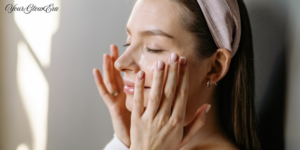
2. Pat, don’t rub: Gently patting products into your skin helps absorption and prevents irritation.
3. Wait between steps: Let each product sink in for 30–60 seconds before applying the next.
For combination skin, pay special attention to zonal application. For example, you can apply more serum or cream to your dry cheeks and less on your oily forehead. This targeted layering is a key customization trick for korean skincare routine for combination skin.
Lifestyle Habits That Boost Results
Skincare products can only do so much. To get the most out of your Korean skincare routine for combination skin, pair it with lifestyle habits that support healthy skin.
• Keep yourself hydrated: Drinking plenty of water helps keep your skin moisturized.
• Balanced diet: Omega-3 fatty acids (found in fish, flaxseeds, walnuts) help regulate oil production. Antioxidants (such as berries, leafy vegetables, and green tea) help keep your skin safe from harm.
• Exercise regularly: Sweating helps unclog pores and boosts circulation.
• Sleep regularly: Your skin heals itself while you sleep. Lack of sleep often shows up as dullness or breakouts.
• Manage stress: Stress hormones can trigger excess oil and acne, especially in the T-zone.
By combining healthy habits with the 10 step korean skin care process, your results will be faster and longer lasting.
Common Mistakes with Combination Skin
Even when following the right routine, some habits can sabotage your progress. Here are mistakes to avoid:
1. Using one product for the whole face: Combination skin needs zonal care. Don’t be afraid to apply a gel moisturizer on your forehead and a richer one on your cheeks.
2. Skipping sunscreen: Sun damage worsens oiliness, dryness, and early aging. Sunscreen is non-negotiable.
3. Over-exfoliating: Exfoliating too often can remove too much natural oil and lead to irritation. Stick to 2–3 times a week max.
4. Using too many strong ingredients at once: Things like retinol, AHAs, and vitamin C are strong. Combining too many can irritate your skin.
5. Switching products too quickly: Give your skin 2–3 weeks to adjust before deciding if a product works.
Avoiding these mistakes will make your korean skincare routine for combination skin far more effective.
Korean Beauty Secrets You Can Borrow
One of the most fascinating parts of korean skincare routine for combination skin is that they often come from traditions passed down through generations. Here are a few you can add to your korean skincare routine for combination skin:
• Rice water rinses: Traditionally used to make skin look brighter and feel smoother. You can DIY this at home.
• Sheet masks daily: While not realistic for everyone, some Koreans swear by masking daily for deep hydration.
• Double cleansing: Now a global trend, this originated in Korea as a way to ensure skin stays clear without harsh scrubbing.
• Snail mucin: A surprisingly effective ingredient that hydrates, repairs, and soothes all at once.
• Patting application: Instead of rubbing products in, Koreans gently pat them for better absorption.
These traditions prove that skincare isn’t just science—it’s also cultural wisdom.
Signs Your Routine Is Working
How do you know your korean skincare routine for combination skin is customized correctly? Look out for these signs:
• Your T-zone feels less greasy during the day.
• Your cheeks no longer feel tight or flaky.
• Makeup applies smoothly without breaking apart.
• Fewer breakouts, less irritation.
• Your overall skin tone looks brighter and healthier.
Remember, consistency is everything. Don’t expect overnight miracles. But within a few weeks of sticking to your routine, you’ll notice these changes.
Wrapping It All Together
Creating the perfect Korean skincare routine for combination skin doesn’t have to be complicated or expensive. The magic lies in customization. By following the 10 step korean skin care method—and adjusting it for your skin’s seasonal needs, lifestyle, and unique behavior—you’ll find balance between oily and dry zones.
So whether you’re trying out rice water rinses, using sheet masks, or just applying sunscreen every day, you’re doing more than just following a routine—you’re creating a habit of taking care of yourself. And when you do that, the glowing, balanced skin you’ve been chasing will naturally follow.
Looking to achieve clear, glowing skin throughout the year? Don’t miss my detailed blog post titled, “Korean Skincare Routine for Combination Skin: Expert Tips for Clear, Glowing Skin All Year Round”. This article provides valuable insights into maintaining a balanced skincare routine tailored specifically for combination skin.
Learn the secrets of Korean skincare routine for combination skin that focus on hydration, exfoliation, and protection, ensuring your skin remains vibrant no matter the season. For anyone interested in the best Korean skincare routine for combination skin, this post is a must-read for achieving long-lasting, luminous skin.
Frequently Asked Questions (FAQs)
Does Korean skincare work for combination skin?
Yes, Korean skincare is highly effective for combination skin because it emphasizes gentle cleansing, hydration, and balancing oil production. Many users see improved skin texture and a balanced glow when following a proper Korean skincare routine for combination skin. For best results, adopting a tailored Korean skincare routine for combination skin can significantly enhance your skin’s overall health and appearance.
What is the 4-2-4 rule in skincare?
The 4-2-4 rule suggests applying 4 drops of serum, 2 drops of essence, and 4 drops of moisturizer for optimal hydration and skin balance, especially helpful for those following a korean skincare routine for combination skin. This method ensures proper layering without overloading the skin.
What’s a good in korean skincare routine for combination skin?
A good routine includes gentle cleansing, a balancing toner, targeted serums, lightweight moisturizer, and daily sun protection. Focus on balancing oil in oily zones like the T-zone and providing hydration to dry cheeks. The key is to use products that address both oily and dry areas, making a korean skincare routine for combination skin particularly effective.
Which Korean brand is good for combination skin?
Brands like Cosrx, Benton, Missha, and Klairs are renowned for their effective products suitable for Korean skincare routine for combination skin, helping to balance oil and moisture without causing breakouts or dryness.
Which skincare brand is best for combination skin?
Many users recommend Cosrx and Some By Mi for their targeted solutions for combination skin, offering gentle yet effective formulations that help maintain skin harmony. These brands are highly favored in the Korean skincare routine for combination skin.




Leave a reply