
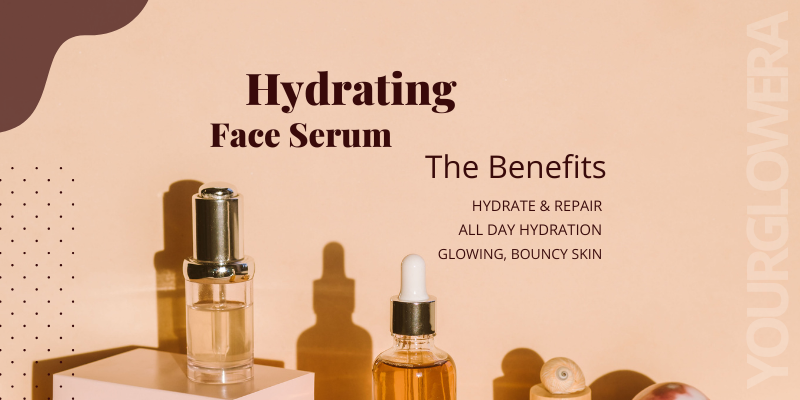
What Is a Hydrating Face Serum and Why Does Your Skin Need It?
A hydrating face serum is a concentrated skincare product that delivers moisture and active ingredients directly into your skin. Unlike a heavy moisturizer that sits on the surface, a hydrating face serum penetrates deeper because its formula is made of smaller molecules.
Your skin loses moisture every single day. Wind, sun, pollution, air conditioning, and even the water you wash your face with can strip away your skin’s natural hydration. When your skin lacks moisture, it starts showing signs like dryness, tightness, fine lines, flakiness, and even breakouts.
This is exactly where a hydrating face serum steps in. It gives your skin a concentrated boost of hydration in just a few drops. Most good serums are packed with ingredients like hyaluronic acid, glycerin, aloe vera, and peptides that pull water into the skin and hold it there for hours.
Think of a hydrating face serum as the most important step between your cleanser and your moisturizer. It prepares your skin to absorb the rest of your skincare routine better.
Table of Contents
How a Hydrating Face Serum Is Different from a Moisturizer
Many people confuse a hydrating face serum with a moisturizer. They are not the same thing. Here is a simple comparison to help you understand the difference clearly.
Hydrating Face Serum vs. Moisturizer: Quick Comparison Table
| Feature | Hydrating Face Serum | Moisturizer |
|---|---|---|
| Texture | Lightweight, watery or gel-like | Thick, creamy |
| Molecule Size | Small — penetrates deep | Large — sits on surface |
| Main Job | Delivers active ingredients deep | Locks moisture on the surface |
| Best Used | Before moisturizer | After serum |
| Speed of Results | Faster | Slower |
| Skin Types | All skin types | All skin types |
| Price Range | Moderate to high | Low to high |
Both products work together. A hydrating face serum puts moisture into the skin. A moisturizer seals that moisture in. Using both together gives you the best results.

The Best Ingredients to Look for in a Hydrating Face Serum
Not all serums are created equal. The ingredients inside make all the difference. Here are the most powerful and proven ingredients you should look for when buying a hydrating face serum.
Hyaluronic Acid
This is the king of hydration. The capacity of hyaluronic acid to hold water is up to 1000 times its weight, providing excellent moisture. A good hyaluronic acid serum pulls moisture from the air and from deeper skin layers and brings it to the surface. If you are looking for the best hyaluronic acid serum for dry skin, make sure it contains multiple molecular weights of hyaluronic acid. This means it can hydrate at different skin depths.
Glycerin
Glycerin acts as a humectant, similar to how hyaluronic acid works to attract moisture to the skin. It draws water to the skin and helps it stay soft and smooth. It is affordable and works well for all skin types including sensitive and oily skin.
Niacinamide
This vitamin B3 ingredient is great for oily skin. It controls oil production, minimizes pores, and still keeps skin hydrated. It also brightens skin tone, which makes it a great addition to any serum for glowing skin.
Vitamin C
Vitamin C ranks among the most effective antioxidants in skincare. It works to brighten uneven skin tone, fade dark spots, and support your skin’s natural collagen production — which means firmer, more youthful-looking skin over time. When shopping for a glow-boosting serum, look specifically for stabilized vitamin C to ensure the ingredient stays effective after you open the bottle.
Peptides
Peptides are short-chain proteins that essentially send a message to your skin, encouraging it to produce more collagen on its own. For anyone dealing with fine lines or loss of volume, peptides are a worthwhile ingredient because they address the root cause of aging skin rather than just masking it.
Aloe Vera
Aloe vera has earned its reputation as one of nature’s most reliable skin soothers. It calms inflammation, eases redness, and delivers a gentle wave of hydration that never feels heavy. For anyone whose skin reacts easily to new products or environmental triggers, aloe vera is a welcome ingredient in any formula.
Ceramides
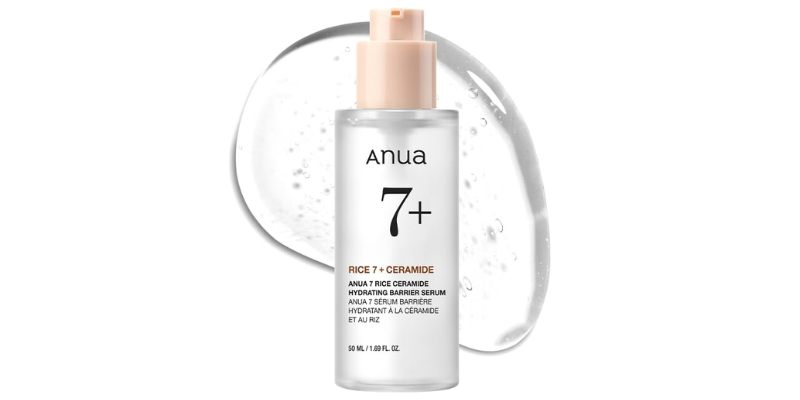
Ceramides are naturally occurring lipids that form part of your skin’s outer protective layer. When this barrier is healthy, your skin holds onto moisture far more effectively. For dry or sensitive skin types, ceramides are not optional — they are essential for lasting comfort and hydration.
Choosing the Right Hydrating Face Serum for Your Skin Type
No two skin types are exactly alike, and using a serum that does not match your skin’s specific needs can sometimes do more harm than good. Understanding what your skin actually requires makes the selection process much simpler and more effective.
Hydrating Face Serum Recommendations for Every Skin Type: Easy Reference Chart
| Skin Type | Best Ingredients | Formula to Choose | Avoid |
|---|---|---|---|
| Dry Skin | Hyaluronic acid, glycerin, ceramides | Rich, gel or oil-based serum | Alcohol-heavy formulas |
| Oily Skin | Niacinamide, hyaluronic acid, zinc | Lightweight, water-based serum | Heavy oils, silicone |
| Sensitive Skin | Aloe vera, ceramides, centella | Fragrance-free, gentle formula | Fragrances, strong acids |
| Aging Skin | Peptides, retinol, vitamin C | Firming and plumping serum | Very thin, watery formulas |
| Combination | Hyaluronic acid, niacinamide | Balanced, gel-based serum | Very rich creams |
For Aging Skin
A blend of Skin Peptides, retinol, and vitamin C in a light, water-based formula to promote firming and smoothing. Incorporates hyaluronic acid and niacinamide for moisture and glow. Follow with thicker creams for added comfort.
For Oily Skin
A common misconception is that oily skin does not need extra hydration. In reality, the opposite is often true. When your skin is short on moisture, it overcompensates by producing more oil than necessary. A lightweight serum containing hyaluronic acid and niacinamide actually helps regulate that excess oil by keeping skin properly balanced from within.
Choose water-based, oil-free products and steer clear of heavy formulas containing silicones or thick oils. Gel-based serums are particularly well-suited to oily skin because they sink in fast, leaving no shine or residue behind.
For Sensitive Skin
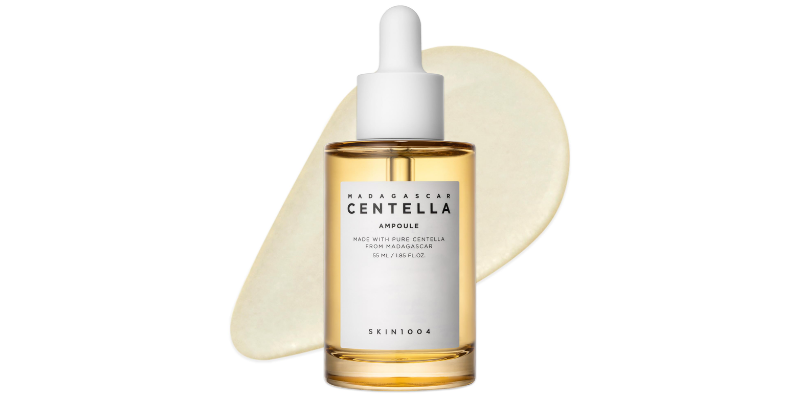
Sensitive skin needs a gentler approach. It can flare up with redness, itching, or irritation at the slightest provocation, which makes ingredient selection especially important. Always opt for a fragrance-free formula and lean toward calming ingredients like aloe vera, centella asiatica, and ceramides that support rather than stress the skin.
Before applying any new serum to your face, do a patch test first. Place a small test on your wrist or behind your ear and leave it for 24 hours. No reaction means you are good to go. Steer clear of serums with high-strength acids or concentrated retinol, as these tend to be too aggressive for reactive skin.
How to Use a Hydrating Face Serum for Best Results
Even the best serum will underperform if it is not applied correctly. Mastering the method is just as crucial as selecting the appropriate item.
Step 1: Cleanse Your Face
Begin every routine with freshly cleaned skin. A mild, non-stripping cleanser works best. Once done, gently pat your face dry — do not rub.
Step 2: Apply Toner (Optional)
If toner is part of your routine, use it right after cleansing. A hydrating toner primes your skin and improves how well the serum absorbs in the next step.
Step 3: Apply Your Hydrating Face Serum
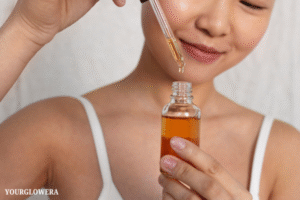
Dispense two to three drops into your palm and press the serum gently into your skin using your fingertips. Pressing rather than rubbing allows deeper absorption without unnecessary friction.
Step 4: Wait 60 Seconds
Give your serum a full minute to settle in before layering anything on top. Rushing this step reduces how effectively the serum works.
Step 5: Apply Moisturizer
Follow up with a moisturizer to seal in everything the serum has delivered. Skipping this step allows hydration to escape before it can do its job.
Step 6: Apply SPF (Morning Only)
Every morning routine should end with broad-spectrum sunscreen. UV exposure actively breaks down the benefits of ingredients like vitamin C and other brightening actives, so protection is non-negotiable.
30-Day Hydration Skincare Journey for Notable Results
Visible skin improvement rarely happens in a day or two. However, with a steady and well-structured hydrating routine, meaningful changes are absolutely achievable within 30 days. Here is a practical week-by-week breakdown to guide you through the process:
30-Day Hydrating Skin Care Timeline
| Week | What Happens | What You May Notice |
|---|---|---|
| Week 1 | Skin starts absorbing active ingredients | Skin feels softer, more comfortable |
| Week 2 | Hydration levels start to improve | Skin looks less dull, more plump |
| Week 3 | Active ingredients work deeper | Fine lines look softer, glow starts appearing |
| Week 4 | Full results begin to show | Brighter, smoother, more even-toned skin |
Consistency is everything. Missing days or skipping steps will slow down your results. Use your hydrating face serum every morning and every evening for the best outcome.
Common Mistakes People Make with a Hydrating Face Serum
Even people who have been using skincare for years make these mistakes. Avoiding them will help you get better results faster.
- Using Too Much Product
A little goes a long way with a hydrating face serum. Two to three drops is usually enough for your entire face and neck. Using too much does not give better results and wastes your product. - Skipping Moisturizer After the Serum
A serum alone is not enough to seal in moisture. Always follow with a moisturizer. Without it, the water the serum attracts can actually evaporate from your skin. - Not Patch Testing First
Skipping the patch test is a common mistake, especially for sensitive skin. Always patch test a new product before using it all over your face. - Expecting Overnight Results
A hydrating face serum takes time to work. Many individuals start to observe visible changes within a two to four-week period. Give your serum time before switching to something else. - Mixing Too Many Active Ingredients
Using too many serums with strong active ingredients at once can irritate your skin. Start simple and add new products gradually.
Top Ingredients to Compare When Shopping for a Face Serum
When you are standing in a store or scrolling online, the ingredient list can feel overwhelming. Here is a simple breakdown of the most popular serum ingredients and what they do.
Ingredient Benefit Chart
| Ingredient | Skin Benefit | Best For |
|---|---|---|
| Hyaluronic Acid | Deep hydration, plumping | All skin types, especially dry |
| Niacinamide | Oil control, brightening | Oily, combination, aging skin |
| Vitamin C | Brightening, antioxidant | Dull, aging, uneven skin tone |
| Peptides | Firming, collagen support | Aging, sagging skin |
| Aloe Vera | Soothing, calming | Sensitive, irritated skin |
| Ceramides | Barrier repair, moisture lock | Dry, sensitive skin |
| Retinol | Cell turnover, anti-aging | Aging skin (use at night) |
| Glycerin | Moisture attraction, softening | All skin types |
Why a Hydrating Face Serum Gives You Glowing Skin
A serum for glowing skin works because it targets the root causes of dull and uneven skin tone. Dullness is usually caused by dehydration, dead skin cell buildup, and lack of nutrients in the skin.
A hydrating face serum fixes all three of these problems. Hydration makes your skin look plump and radiant. Active ingredients like vitamin C and niacinamide brighten uneven patches. Regular use keeps your skin consistently nourished so it stays glowing day after day.
Glowing skin is not about wearing more makeup or using filters. It is about healthy, well-hydrated skin that has the right nutrients to function properly. That is exactly what a great hydrating face serum delivers.
Final Thoughts: Start Your Hydrating Skin Care Journey Today
Choosing the right hydrating face serum does not have to be complicated. Start by knowing your skin type. Then look for the key ingredients that match your skin’s specific needs. Use your serum twice a day, follow a consistent hydrating skin care routine, and give it a full 30 days before judging the results.
Whether you want to fight aging, control oiliness, calm sensitivity, or simply get brighter and more glowing skin, there is a perfect hydrating face serum out there for you. The best time to start is right now.
Your skin works hard every day to protect you. Give it the hydration and care it deserves with the right hydrating face serum, and you will start seeing a version of your skin you will absolutely love.
If you’re looking to achieve plump, glowing skin, you must read my latest blog post on, “Why Hydrating Face Serum Is the Secret to Plump, Glowing Skin and How to Layer It Correctly in Your Skincare Routine”. This post dives deep into the benefits of using a hydrating face serum and explains how to effectively incorporate it into your daily skincare regimen.
Frequently Asked Questions :
What is the best hydrating face serum?
The best hydrating face serum depends on your skin type, but popular options include hyaluronic acid serums that deeply hydrate and plump the skin. Look for serums with ingredients like glycerin, aloe vera, and hyaluronic acid for optimal hydration.
Which serum is best for hydrating skin?
A serum with hyaluronic acid is considered the best for hydrating skin as it attracts and retains moisture. Other effective ingredients include glycerin, aloe vera, and ceramides, which help boost skin hydration and restore moisture balance.
Which is the no. 1 face serum in India?
In India, one of the top-rated face serums for hydration is the Hyaluronic Acid Face Serum by brands like Minimalist or Plum. These are popular for their lightweight, effective hydration and skin-nourishing properties.
What does hydrating serum do for your face?
A hydrating serum replenishes moisture levels, making your skin look plump, smooth, and radiant. It helps reduce dryness, fine lines, and enhances the skin’s overall texture and elasticity.
Can I use hydrating serum every day?
Yes, hydrating face serum can be used daily, preferably twice a day—morning and night. Regular use helps maintain skin hydration, improve elasticity, and achieve a glowing complexion.

Leave a reply