
If you’re battling stubborn pimples and oily skin, you’ve probably heard about salicylic acid soap for acne. This powerful soap has gained popularity because of its ability to target acne at its root. Whether you’re a skincare newbie or someone exploring new options, understanding how salicylic acid soap for acne works can help you make smarter choices. In this guide, we’ll explore everything you need to know about salicylic acid soap for acne, including how to use it effectively, what effects to expect, and how to pick the best product for your skin type.
Table of Contents
What Is Salicylic Acid Soap for Acne?
Salicylic acid soap for acne is a specially formulated cleansing product that combines the cleansing power of soap with the active ingredient salicylic acid. This soap is designed to penetrate deep into the pores, dissolving excess oil, dirt, and dead skin cells that clog pores and cause pimples.
Why is salicylic acid added to soap? Because of its keratolytic properties—meaning it helps exfoliate the skin’s surface—salicylic acid is an ideal ingredient for soap targeted at acne-prone skin. It not only cleanses but also prevents future breakouts by keeping the pores clear.
How Does Salicylic Acid Work on Skin?
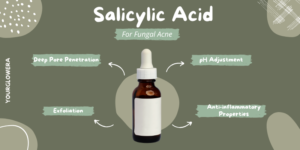
Salicylic acid for acne works primarily by unclogging pores and reducing inflammation. It belongs to the beta hydroxy acid (BHA) family, which is oil-soluble, allowing it to penetrate through the oily skin layers and reach inside the pores.
Here’s how it impacts your skin:
- Exfoliation: It loosens the bonds between dead skin cells, helping them shed more easily.
- Oil Control: It reduces excess sebum production, which is often a major cause of pimples.
- Anti-inflammatory: It soothes skin irritation and redness associated with acne.
- Prevention: Regular use prevents the formation of new pimples by keeping pores clean.
Why Is Salicylic Acid Added to Soap?
Adding salicylic acid to soap enhances its cleansing power. Unlike regular soaps that simply clean the surface, salicylic acid soap for acne targets the deeper layers of your skin where pimples originate. It’s especially effective for oily and acne-prone skin types, offering a dual benefit: thorough cleansing and active acne treatment.
Key benefits of salicylic acid in soap:
- Deep pore cleansing
- Reduces blackheads and whiteheads
- Controls excess oil
- Prevents future breakouts
- Gentle enough for daily use when used correctly
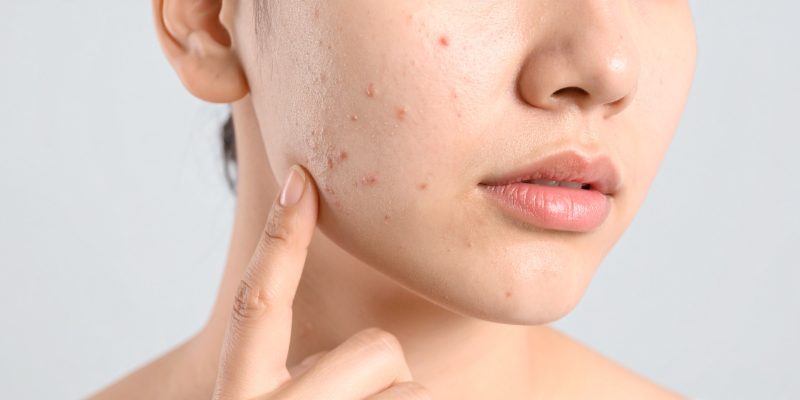
Salicylic Acid Effect on Skin – What Really Happens?
Understanding the effects of salicylic acid on skin helps you set realistic expectations and avoid common mistakes. Its impact can be both short-term and long-term, depending on how you incorporate it into your routine.
Short-Term Effects
When you start using salicylic acid soap for acne, you might notice:
- Initial dryness or tightness — because the exfoliation process removes excess oil and dead skin.
- Temporary redness or irritation — especially if your skin is sensitive.
- Reduced pimples and blackheads — noticeable within a few days to weeks.
- Smoother skin texture — as dead skin cells are shed more efficiently.
Pro Tip: If you experience excessive dryness or irritation, reduce usage frequency and follow up with a hydrating moisturizer.
Long-Term Effects
With consistent use over weeks or months, salicylic acid soap for acne can offer:
- Clearer, healthier skin — thanks to ongoing pore cleansing.
- Fewer breakouts — as the skin adjusts and excess oil production stabilizes.
- Prevention of new acne formation — due to regular exfoliation and oil control.
- Smoother skin tone and texture — even for those with oily or combination skin.
Short-Term vs Long-Term Effects of Salicylic Acid on Skin
| Short-Term Effects | Long-Term Effects |
|---|---|
| Mild dryness or tightness | Reduced oiliness and fewer pimples |
| Temporary redness or irritation | Smoother, clearer skin |
| Quick reduction in pimples and blackheads | Prevention of future breakouts |
| Improved skin texture initially | Long-lasting skin health and resilience |
Who Should Use Salicylic Acid Soap for Acne?
Salicylic acid soap for acne is especially beneficial for those with oily, combination, or acne-prone skin. If you struggle with persistent pimples, blackheads, or whiteheads, this soap can be a game-changer.
Best Skin Types for Salicylic Acid Soap
While most people with oily or acne-prone skin can safely use salicylic acid soap, some skin types need to be cautious:
- Oily Skin: Ideal, as salicylic acid helps control excess sebum.
- Combination Skin: Suitable, especially if you have oilier zones.
- Sensitive Skin: Can use with caution; patch test recommended.
- Dry or Sensitive Skin: Consult a dermatologist before use; may require a milder formulation.
Skin Type Compatibility Chart
| Skin Type | Suitability of salicylic acid soap for acne | Notes |
|---|---|---|
| Oily | Highly suitable | Controls excess sebum, reduces pimples |
| Combination | Suitable | Use on oily areas, be gentle on dry zones |
| Sensitive | Use with caution | Patch test recommended, select gentle formula |
| Dry/Sensitive | May cause irritation | Consult dermatologist, consider milder options |
Soap for Pimples – Is Salicylic Acid the Best Choice?
When selecting a soap for pimples, many wonder if salicylic acid is the best ingredient. The answer is yes, especially for active breakouts and oily skin. But how does it compare to regular soap or other acne-fighting products?
Salicylic Acid Soap vs Regular Soap
| Feature | Salicylic Acid Soap | Regular Soap |
|---|---|---|
| Cleansing Power | Deep cleansing, targets pores | Cleans surface only |
| Acne Treatment | Active ingredient for pimples | No active ingredients |
| Oil Control | Yes, reduces excess sebum | No, may leave skin oily |
| Exfoliation | Yes, removes dead skin cells | No |
| Suitable for Acne-prone skin | Yes | No, may worsen breakouts |
Salicylic Acid Soap vs Regular Soap vs Other Acne Soaps
| Product Type | Pros | Cons |
|---|---|---|
| Salicylic Acid Soap | Deep pore cleansing, reduces pimples, oil control | May cause dryness if overused |
| Regular Soap | Gentle, inexpensive | Doesn’t treat acne or control oil |
| Benzoyl Peroxide Wash | Kills bacteria, reduces inflammation | Can cause dryness, peeling |
| Sulfur-Based Soap | Controls oil, reduces bacteria | May have strong smell, dry skin |
How to Choose the Best Soap for Pimples with Salicylic Acid
Choosing the right salicylic acid soap for acne depends on your skin type, sensitivity, and budget. Here’s what to keep in mind:
Key Ingredients to Look For
- Salicylic acid concentration: Usually between 0.5% to 2%. Start with lower concentrations if sensitive.
- Gentle cleansers: Look for soothing ingredients like aloe vera or chamomile.
- Non-comedogenic formulations: To prevent clogging pores.
Ingredients to Avoid
- Harsh detergents or sulfates
- Alcohols that dry out skin
- Fragrances and artificial dyes
Detailed Reviews of Popular Salicylic Acid Soaps
Budget-Friendly Options
Himalaya Purifying Neem Face Wash
- Ingredients: Neem, turmeric, salicylic acid
- Pros: Affordable, antibacterial, suitable for oily skin
- Cons: Slightly drying, patch test recommended
Garnier Men Oil Clear Fairness Face Wash
- Ingredients: Salicylic acid, charcoal
- Pros: Good for active oil control, budget-friendly
- Cons: May not suit sensitive skin
Premium Brands
Neutrogena Oil-Free Acne Wash
- Ingredients: 2% salicylic acid
- Pros: Effective, dermatologist-recommended, non-drying formulation
- Cons: Slightly pricier
La Roche-Posay Effaclar Purifying Foaming Gel
- Ingredients: Salicylic acid, gentle surfactants
- Pros: Suitable for sensitive skin, effective acne control
- Cons: Higher price point
Highlighting Indian Brands
Nivea Men Dark Spot Reduction Face Wash
- Ingredients: Salicylic acid, menthol
- Pros: Refreshing, affordable, effective for oily skin
- Cons: Could potentially cause issues for individuals with extremely sensitive skin.
Himalaya Clear Complexion Face Wash
- Ingredients: Neem, turmeric, salicylic acid
- Pros: Natural ingredients, good for oily skin
- Cons: Slightly drying if overused
How to Use Salicylic Acid Soap for Acne Correctly
Using salicylic acid soap for acne might seem straightforward, but following the right steps can make a significant difference in achieving clear, healthy skin. Whether you’re new to salicylic acid soap for acne or have used it before, mastering proper application ensures you get the best results without irritation. Let’s walk through the essential tips and techniques for using salicylic acid soap effectively.
Step-by-Step Guide for Best Results
- Wet your face with lukewarm water as the first step to a gentle and effective clean. Take a small amount of salicylic acid soap for acne and work into a rich lather. Gently massage the soap onto your skin using circular motions, focusing on areas prone to pimples like the forehead, nose, and chin. Be careful not to scrub aggressively, as this can irritate the skin.
- Rinse your skin well using lukewarm water and softly pat dry with a towel. Pat your skin dry with a soft towel—avoid rubbing, which can cause redness and irritation. Remember, gentle cleansing is key to preventing over-drying or damaging your skin barrier.
- Follow with a moisturizer immediately after washing. Apply a fragrance-free, non-comedogenic moisturizer. Salicylic acid soap for acne can be drying, so replenishing moisture helps maintain your skin’s natural balance and prevents flakiness.
- Use sunscreen during the day. Salicylic acid can make your skin more sensitive to sunlight. Always follow up with a broad-spectrum sunscreen with at least SPF 30 before stepping outdoors. This prevents sun damage and hyperpigmentation.
How Often Should You Use Salicylic Acid Soap for Acne?
For most skin types, using salicylic acid soap for acne once or twice daily is effective. If you notice dryness or irritation, reduce usage to every other day. Sensitive skin types should start with every third day and gradually increase frequency as tolerated.
Tips for Avoiding Over-Drying or Irritation
- Don’t overuse: Excessive cleansing can strip your skin of natural oils, leading to dryness and irritation. Stick to the recommended frequency.
- Choose the right strength: Salicylic acid soaps come in different strengths (e.g., 0.5%, 1%, 2%). Beginners should start with lower concentrations.
- Patch test first: Before regular use, apply a small amount of soap on a patch of skin to check for reactions.
- Avoid harsh scrubbing: Using a soft washcloth or your hands is best. Avoid abrasive tools.
Precautions and Side Effects
While salicylic acid soap for acne is generally safe and effective, it’s essential to be aware of potential side effects and precautions to protect your skin.
Common Side Effects
- Dryness and flakiness: Salicylic acid can strip away excess oil, leading to dryness.
- Redness and irritation: Especially in sensitive skin, overuse may cause discomfort.
- Tightness or itching: These are signs your skin may be reacting negatively.
How to Minimize Adverse Reactions
- Limit frequency: Use salicylic acid soap for acne as recommended.
- Follow with a hydrating product: Use a gentle moisturizer after cleansing.
- Avoid combining with harsh products: Stay away from alcohol-based toners or strong exfoliants simultaneously.
- Stay well-hydrated: Drinking sufficient water helps keep your skin soft, smooth, and properly moisturized internally.
Who Should Avoid Salicylic Acid Soap for Acne?
- Those allergic to aspirin or salicylates.
- Individuals with extremely sensitive or compromised skin.
- Individuals with eczema or psoriasis are advised to seek advice from a dermatologist prior to use.
Enhancing Results with Additional Products
Combining salicylic acid soap for acne with other targeted treatments can amplify your results. Here are some options:
| Product Type | Purpose | How to Use | Best Brands (India & Abroad) |
|---|---|---|---|
| Salicylic Acid Gel | Targeted acne spots | Apply after cleansing | The Ordinary Salicylic Acid 2% Solution, Himalaya Purifying Neem Face Wash |
| Benzoyl Peroxide | For inflamed pimples | Use on active breakouts | La Roche-Posay Effaclar Duo, Himalaya Acne-n-Pimple Cream |
| Niacinamide Serum | Reduce inflammation & redness | Follow cleansing, before moisturizer | Minimalist Niacinamide 10% + Zinc, Plum Niacinamide Serum |
Tip: Use these products as per instructions and avoid overloading your skin with multiple active ingredients at once. Always patch test new products.
Best Skincare Routine with Salicylic Acid Soap for Acne
| Step | Product | Frequency | Purpose |
|---|---|---|---|
| 1 | Salicylic Acid Soap for Acne | Daily | Cleansing & exfoliation |
| 2 | Toner (Alcohol-Free) | After cleansing | Balances pH & tightens pores |
| 3 | Targeted Treatment (Gel/Serum) | As needed | Spot treatment |
| 4 | Moisturizer | Daily | Hydration & barrier repair |
| 5 | Sunscreen | Every morning | Sun protection |
Final Tips for Achieving the Best Results
- Consistency is Key: Regular use of salicylic acid soap for acne over weeks will deliver noticeable improvements.
- Patience & Realistic Expectations: Clear skin takes time; don’t expect overnight results.
- Monitor Your Skin’s Response: If you notice persistent dryness, redness, or irritation, reduce frequency or switch products.
- Avoid Picking: Resist the urge to squeeze pimples, which can cause scarring.
- Consult a Dermatologist: For severe or persistent acne, professional advice is essential.
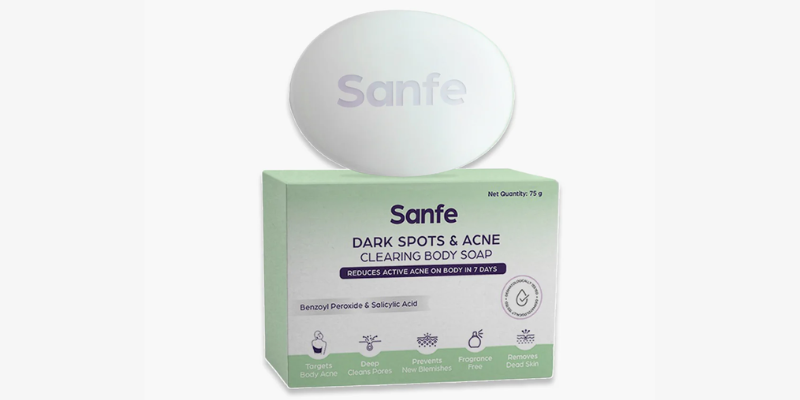
Product Reviews: Budget-Friendly & Premium Brands
Budget-Friendly Options
| Product | Packaging | Ingredients | Pros | Cons | Suitability |
|---|---|---|---|---|---|
| Himalaya Purifying Neem Face Wash | Tube | Neem, Turmeric | Natural ingredients, affordable | Slightly drying | Oily, acne-prone skin |
| Garnier Men Oil Clear Fairness Face Wash | Tube | Salicylic acid, Charcoal | Good for oily skin | Less moisturizing | Men with oily skin |
Premium Brands
| Product | Packaging | Ingredients | Pros | Cons | Suitability |
|---|---|---|---|---|---|
| La Roche-Posay Effaclar Purifying Foaming Gel | Pump | Salicylic acid, Zinc PCA | Gentle, effective | Higher price | Sensitive, acne-prone skin |
| The Ordinary Salicylic Acid 2% Solution | Dropper bottle | Salicylic acid | High concentration, affordable | Not a soap | Targeted treatment |
What Makes Each Product Unique?
- Himalaya Purifying Neem Face Wash: Combines natural ingredients with salicylic acid, suitable for budget-conscious users.
- With Effaclar from La Roche-Posay: You get a soft cleaning experience that’s ideal for sensitive skin.
- The Ordinary: Focused on active ingredients with high potency, excellent for targeted treatment.
Summary
Using salicylic acid soap for acne correctly is crucial for achieving healthy, clear skin. Start with gentle cleansing, follow with moisturizing, and always protect your skin from the sun. Be mindful of side effects like dryness and irritation, and incorporate additional products like salicylic acid gel or niacinamide serums for enhanced results. Remember, consistency and patience are your best allies on your journey to clear skin. Choose the right product for your skin type, follow proper routines, and consult a dermatologist if needed. When used correctly, salicylic acid soap for acne can become a reliable addition to your skincare routine.
For anyone curious about how salicylic acid soap for acne works and its benefits for various skin types, my blog post on, “Understanding Salicylic Acid Soap for Acne and Why It Is Effective for Different Types of Skin” is a must-read. This article explains the science behind salicylic acid soap and why it is a versatile choice for different skin concerns.
Whether you have oily, dry, or sensitive skin, discovering how salicylic acid soap for acne can help you achieve clearer skin is essential. Dive into this informative read to make informed skincare decisions.

Leave a reply