
Introduction:
If you have ever stood in front of your bathroom mirror wondering how much moisturizer to use on face, you are not alone. It is one of the most common skincare questions, yet most people get it wrong every single day. Using too much moisturizer can clog your pores and cause breakouts. Using too little means your skin stays dry, flaky, and unprotected.
Understanding how much moisturizer to use on face becomes even more important when you are layering multiple products like serums, toners, and retinol. Every product you apply before your moisturizer changes how your skin absorbs it. So the real question is not just about how much moisturizer to use on face in isolation — it is about knowing the right amount in the context of your entire skincare routine.
Whether you have oily skin, dry skin, combination skin, or sensitive skin, this guide will teach you exactly how much moisturizer to use on face for maximum results. We will also cover when to use moisturizer, how to use face moisturizer correctly, the proper use of moisturizer in a layered routine, and when to apply moisturizer for the best absorption.
By the end of this blog post, you will never have to guess about how much moisturizer to use on face again.
Table of Contents
Why Getting the Right Amount of Moisturizer Matters
Before we dive into exact quantities, let us understand why this matters so much. Your skin has a moisture barrier. This barrier keeps good things in (like hydration) and bad things out (like pollution and bacteria). Every time you cleanse your face, you slightly disrupt this barrier. The use of moisturizer is to repair, protect, and strengthen that barrier.
But here is the catch: if you use too much product, your skin cannot absorb it all. The excess just sits on top, attracts dirt, and clogs pores. If you use too little, your barrier stays compromised, and all those expensive serums and treatments you applied underneath will evaporate before they can do their job.
What Happens When You Use Too Much Moisturizer
| Problem | What It Looks Like | Who It Affects Most |
|---|---|---|
| Clogged pores | Whiteheads, blackheads, tiny bumps | Oily and combination skin |
| Greasy residue | Shiny face that never dries down | All skin types |
| Product pilling | Little balls of product rolling off skin | Layered routines |
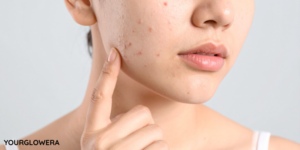
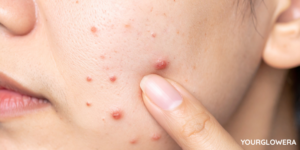
| Breakouts | New pimples, especially on cheeks and chin | Acne-prone skin |
| Wasted product | Finishing expensive moisturizer too fast | Everyone |
What Happens When You Use Too Little Moisturizer
| Problem | What It Looks Like | Who It Affects Most |
|---|---|---|
| Dry patches | Flaky, rough areas on face | Dry and sensitive skin |
| Tight feeling | Skin feels stretched and uncomfortable | All skin types in winter |
| Increased oil production | Skin overcompensates by producing more sebum | Oily skin |
| Faster aging signs | Fine lines look deeper | Mature skin |
| Reduced effectiveness of serums | Active ingredients evaporate | Anyone using serums or retinol |
This is why knowing exactly how much moisturizer to use on face is a game-changer for your skin health.
The Exact Quantity – How Much Moisturizer to Use on Face
Let us get specific. How much you use depends on the consistency of your moisturizer and your skin type. But there is a universal starting point that works for almost everyone.
The General Rule
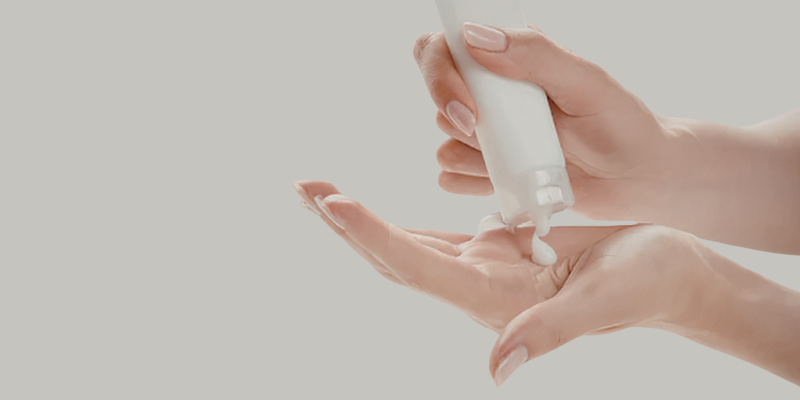
- Use a nickel-sized amount (about the size of a five-rupee coin or a US dime) for your entire face.
- This translates to roughly 0.5 to 1 gram of product, or about one to two pumps if your moisturizer comes in a pump bottle.
Quantity by Moisturizer Texture
| Moisturizer Type | Recommended Amount | Best For |
|---|---|---|
| Lightweight gel | Pea-sized to nickel-sized | Oily and combination skin |
| Lotion | Nickel-sized | Normal and combination skin |
| Cream | Pea-sized to nickel-sized | Dry and mature skin |
| Rich balm | Pea-sized | Very dry or winter skin |
| Gel-cream hybrid | Nickel-sized | All skin types |
Quantity by Skin Type
| Skin Type | How Much to Use | Notes |
|---|---|---|
| Oily skin | Pea-sized (less is more) | Choose gel or water-based formulas |
| Dry skin | Nickel-sized to slightly more | May need a second thin layer on dry patches |
| Combination skin | Nickel-sized total, adjusted by zone | Use more on dry areas, less on oily T-zone |
| Sensitive skin | Pea-sized to nickel-sized | Avoid rubbing; press gently into skin |
| Normal skin | Nickel-sized | Standard amount works perfectly |
| Mature skin | Nickel-sized | Focus extra product on neck and under eyes |
Knowing how much moisturizer to use on face based on your specific skin type prevents waste and improves results dramatically.
The Complete Layering Order – Where Moisturizer Fits In
Understanding how to use face moisturizer is not just about the quantity. It is equally about when to apply moisturizer in your routine. The golden rule of skincare layering is:
Thinnest to thickest. Water-based before oil-based. Treatments before protection.
Morning Skincare Layering Order
| Step | Product | Wait Time Before Next Step |
|---|---|---|
| 1 | Gentle cleanser | Pat dry, leave skin slightly damp |
| 2 | Toner or essence | 30 seconds to 1 minute |
| 3 | Vitamin C serum or antioxidant serum | 1 to 2 minutes |
| 4 | Eye cream (if using) | 30 seconds |
| 5 | Moisturizer | 1 to 2 minutes |
| 6 | Sunscreen (SPF 30 or higher) | Let absorb before makeup |
Evening Skincare Layering Order
| Step | Product | Wait Time Before Next Step |
|---|---|---|
| 1 | Oil cleanser or micellar water (first cleanse) | Rinse thoroughly |
| 2 | Gentle foaming or cream cleanser (second cleanse) | Pat dry, leave skin slightly damp |
| 3 | Toner or essence | 30 seconds to 1 minute |
| 4 | Retinol or treatment serum | 5 to 20 minutes (important!) |
| 5 | Hydrating serum (hyaluronic acid, niacinamide) | 1 to 2 minutes |
| 6 | Eye cream (if using) | 30 seconds |
| 7 | Moisturizer | Let absorb fully before sleeping |
| 8 | Face oil or sleeping mask (optional) | Last step, locks everything in |
The reason when to use moisturizer matters so much is that it acts like a seal. It locks in all the active ingredients you have applied in the previous steps. If you apply it too early, it can block absorption of serums. If you skip it entirely, those serums will evaporate off your skin.
How Much Moisturizer to Use on Face After Specific Products
Now let us break this down by what you are layering under your moisturizer. Each product changes how much moisturizer your skin actually needs.
After Toner
Toners add a layer of lightweight hydration. If you use a hydrating toner, your skin is already partially quenched. In this case, how much moisturizer to use on face can be reduced slightly.
- Use about 80% of your usual amount after a hydrating toner.
- If your toner is an exfoliating or astringent type, use your full normal amount because those toners can be drying.
After Serum
Serums deliver concentrated active ingredients knowing how much moisturizer to use on face matters because serums are not designed to moisturize on their own. You still need your full amount of moisturizer after a serum.
- Use your full normal amount after a serum.
- Wait 1 to 2 minutes after your serum has absorbed before applying moisturizer.
- Applying moisturizer on top of serum locks the active ingredients into your skin.
After Retinol Products
This is where things get critical. Retinol can be drying and irritating, especially when you are starting out. Knowing how much moisturizer to use on face makes all the difference when incorporating retinol into your routine. The use of moisturizer after retinol is not optional — it is essential.
- Use your full amount or slightly more after retinol.
- If you are new to retinol, try the “sandwich method”: apply a thin layer of moisturizer, then retinol, then another thin layer of moisturizer on top. In this case, use half your normal amount for each layer.
- Always wait at least 5 to 20 minutes after applying retinol before layering moisturizer, unless you are using the sandwich method.
Retinol Sandwich Method – Moisturizer Quantity Guide
| Layer | Product | Amount |
|---|---|---|
| First layer | Moisturizer (buffer) | Half of your normal amount (pea-sized) |
| Second layer | Retinol | As directed on product |
| Third layer | Moisturizer (seal) | Half of your normal amount (pea-sized) |
| Total moisturizer used | Same as your normal full amount, split in two |
This method is a smart way to understand how much moisturizer to use on face when dealing with potent active ingredients without over-applying.
How to Apply Moisturizer Correctly – Technique Matters
Knowing how to use face moisturizer is not just about amount and order — how much moisturizer to use on face plays a key role too. Your application technique makes a noticeable difference.
Step-by-Step Application
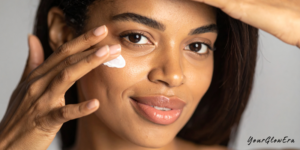
- Scoop or pump the right amount onto your fingertips.
- Dot it across your face: one dot on each cheek, one on your forehead, one on your nose, one on your chin.
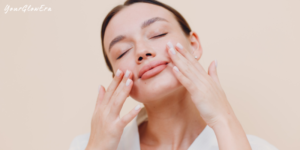
- Lightly tap and smooth the product onto your skin with your fingertips. Do not rub aggressively.
- Use upward and outward strokes to avoid dragging the skin downward.
- Do not forget your neck and jawline. Extend a thin layer down to your neck using whatever is left on your fingers.
- Wait 1 to 2 minutes before applying sunscreen or makeup to let the moisturizer fully absorb.
Common Mistakes to Avoid
- Rubbing moisturizer into skin harshly – this causes friction, redness, and can break down active ingredients from previous layers.
- Applying on completely dry skin – moisturizer works best on slightly damp skin because it traps that water in. Knowing how much moisturizer to use on face matters too since using the right amount on damp skin locks in hydration more effectively. This is also why knowing when to apply moisturizer (right after toner or serum while skin is still dewy) is so important.
- Using the same amount year-round – your skin needs more moisture in winter and less in summer. Adjust accordingly.
- Avoiding moisturizer due to oily skin – even oily skin needs moisture to stay healthy. Knowing how much moisturizer to use on face makes all the difference. Skipping moisturizer often makes oily skin worse because it forces your skin to produce even more oil.
How Much Face Wash to Use – Because Cleansing Affects Moisturizer Needs
This might surprise you, but how much face wash to use directly impacts how much moisturizer to use on face. Over-cleansing strips your skin, which means you need more moisturizer to compensate. Under-cleansing leaves residue, which prevents moisturizer from absorbing properly.
Face Wash Quantity Guide
| Cleanser Type | Recommended Amount | Notes |
|---|---|---|
| Foaming cleanser | Pea-sized to dime-sized | A little goes a long way; it foams up |
| Cream cleanser | Nickel-sized | Needs slightly more product to cover face |
| Gel cleanser | Dime-sized | Spreads easily on wet skin |
| Oil cleanser (first cleanse) | Two to three pumps | Used on dry skin to dissolve makeup |
| Micellar water | Soak a cotton pad fully | Use until the pad comes away clean |
Pro tip: If you find yourself needing excessive moisturizer after cleansing, your face wash might be too harsh — understanding how much moisturizer to use on face helps you balance hydration without overdoing it. Switch to a gentler formula and you will naturally need less moisturizer.
Seasonal Adjustments – How Your Moisturizer Amount Should Change
Your skin is not the same in July as it is in January. Understanding when to use moisturizer also means understanding how much moisturizer to use on face based on how climate and season affect your needs.
Seasonal Moisturizer Quantity Chart
| Season | Skin Behavior | Moisturizer Adjustment | Recommended Texture |
|---|---|---|---|
| Summer | More oil production, sweating | Use slightly less; stick to pea-sized | Gel or gel-cream |
| Monsoon/Rainy | High humidity, skin feels sticky | Use the least amount; pea-sized | Lightweight gel |
| Autumn/Fall | Skin begins to feel drier | Normal amount; nickel-sized | Lotion or light cream |
| Winter | Skin is driest, barrier is compromised | Use the most; nickel-sized or slightly more | Rich cream or balm |
| Spring | Transition period, mix of dry and oily | Normal amount; nickel-sized | Lotion or gel-cream |
Adjusting how much moisturizer to use on face with the seasons is one of the simplest things you can do to keep your skin balanced all year.
Top Moisturizers That Work Perfectly in a Layered Routine
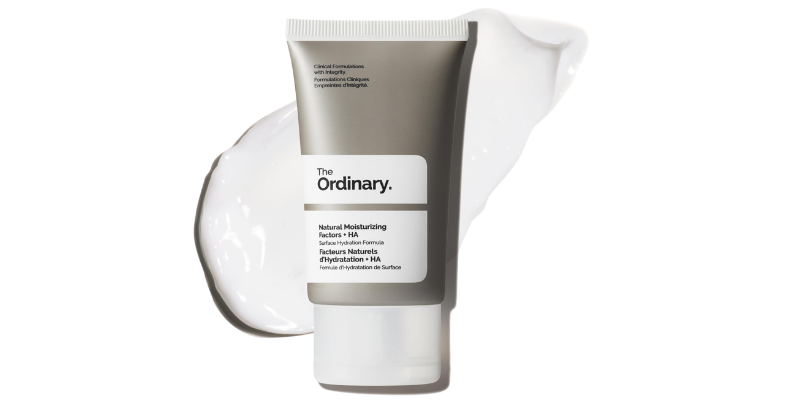
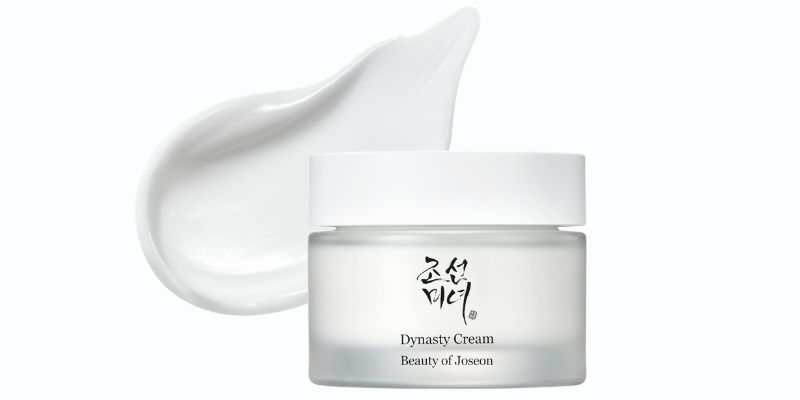
The moisturizer you pick also determines how much of it you actually need. Some formulas are dense and concentrated, so a little goes a long way. Others are thin and airy, so you might need a touch more to get full coverage. The options below all sit comfortably knowing how much moisturizer to use on face matters on top of serums, toners, and retinol without causing any pilling or interference.
Moisturizer Comparison Chart
Here is a simplified text table of the moisturizers:
| Moisturizer | Texture | Skin Type | Key Ingredients | Fragrance | Packaging | Absorbs Quickly | Good Over Retinol |
|---|---|---|---|---|---|---|---|
| CeraVe Moisturizing Cream | Rich cream | Dry to normal | Ceramides, hyaluronic acid | Fragrance-free | Tub with lid | Moderate | Yes |
| Neutrogena Hydro Boost | Water gel | Oily to combination | Hyaluronic acid | Fragrance-free option | Jar | Very fast | Yes |
| La Roche-Posay Toleriane Double Repair | Medium cream | Sensitive, all types | Ceramides, niacinamide, glycerin | Fragrance-free | Pump | Fast | Yes |
| Clinique Moisture Surge 72-Hour | Gel-cream | All skin types | Aloe, hyaluronic acid | Fragrance-free | Jar | Fast | Yes |
| Cetaphil Daily Hydrating Lotion | Light lotion | Normal to dry | Hyaluronic acid, vitamin E | Fragrance-free | Pump | Very fast | Yes |
| Kiehl’s Ultra Facial Cream | Medium cream | Normal to dry | Glacial glycoprotein, squalane | Light scent | Jar | Moderate | Yes |
| Tatcha The Dewy Skin Cream | Rich cream | Dry to normal | Japanese purple rice, hyaluronic acid | Light scent | Jar | Moderate | Yes |
| Bioderma Sensibio Light Cream | Lightweight cream | Sensitive | Glycerin, enoxolone | Fragrance-free | Tube | Fast | Yes |
| Belif The True Cream Moisturizing Bomb | Rich cream | Dry to normal | Comfrey leaf, oat kernel | Light herbal scent | Jar | Moderate | Yes |
| Embryolisse Lait-Crème Concentré | Medium cream-lotion | All skin types | Shea butter, beeswax, aloe vera | Mild scent | Tube | Fast | Yes |
Every one of these works smoothly in a layered routine. The trick is picking the right texture for your skin and knowing how much moisturizer to use on face then adjusting based on how the formula feels.
A Quick Visual Guide: How Much Product Per Step
Numbers and descriptions help, but a simple reference chart makes it even easier to remember. Here is a clear breakdown of how much of each product to use across your full skincare routine.
| Product | Amount | Visual Reference |
|---|---|---|
| Face wash | Pea to dime-sized | About the size of a small blueberry |
| Toner | Two to three drops or cotton pad | Enough to lightly cover the face |
| Serum | Two to three drops | Size of a small pea |
| Retinol | Pea-sized | Size of a green pea |
| Eye cream | Half pea-sized for both eyes | A grain of rice per eye |
| Moisturizer | Nickel-sized | Size of a five-rupee coin or US dime |
| Sunscreen (morning) | Two finger lengths | More generous than most people apply |
| Face oil (optional, night) | Two to four drops | Warm between palms before applying |
Moisturizer lands right in the middle of this range — understanding how much moisturizer to use on face helps you avoid over or under applying. It is not the smallest amount in your routine and not the largest either. Sunscreen takes the top spot for quantity, while eye cream uses the least. Getting each step right means every product you apply actually has a chance to do its job properly.
Signs You Are Using the Wrong Amount of Moisturizer
Your skin is pretty good at communicating when something is off — knowing how much moisturizer to use on face makes it easier to read those signals. Just concentrate on understanding what to look out for.
Signs You Need More Moisturizer
- Skin starts feeling tight or uncomfortable within an hour of your routine
- Dry or flaky patches show up even after you have already moisturized
- Foundation looks patchy, settles into dry areas, or does not sit smoothly
- Fine lines look more noticeable as the day goes on
- Skin turns oily by midday, which often means it is trying to compensate for being under-moisturized
Signs You Are Using Too Much Moisturizer
- Skin still feels slick or greasy after 15 to 20 minutes
- Small new breakouts start appearing, particularly on the cheeks or forehead
- Sunscreen or makeup rolls off or pills on top of your moisturizer
- Your pillow feels oily in the morning
- Products do not absorb and instead seem to slide around on the surface
Use these signals as your personal feedback system. Small adjustments based on what your skin is telling you how much moisturizer to use on face will get you to the right amount faster than any generic rule.
Final Thoughts: Your Perfect Moisturizer Routine
Let us put it all together simply. Figuring out how much moisturizer to use on your face is not just about the quantity you scoop out. It connects to your skin type, the products you layer underneath, the weather outside, and how you actually apply it. Moisturizer is the step that holds everything else in place.
It should go on after your serums and treatments and before your sunscreen so that everything underneath gets sealed in and protected. How much moisturizer to use on face is enough to cover all areas without overdoing it. Applying it with a gentle patting motion rather than rubbing helps it absorb better and reduces the chance of irritation.. Even something as basic as how much face wash you use matters here, because clean skin absorbs moisturizer far more effectively than skin with leftover product sitting on it.
Start with a nickel-sized amount as your baseline. Then watch how your skin responds over the next few days and adjust from there depending on the season, your skin type, and what else you are using in your routine. Within a week or two, you will have a clear sense of exactly what your skin needs.
The right amount is not too heavy and not too light. How much moisturizer to use on face is key to achieving that balance. Any product that makes your skin feel refreshed, balanced, and gently looked after. Skincare is personal. This guide gives you a solid starting point, but your skin’s response is always the final word. Stay consistent, pay attention, and the results will follow.
Similarly, if you’re searching for “How much moisturizer to use on face: a complete product-by-product guide to finding your perfect amount for every skin type”, my blog post is here to help. It provides a detailed guide on how much moisturizer to use on face for various skin types and product combinations.
Knowing the appropriate amount for each product can prevent clogged pores, dryness, or excess oil. Read my comprehensive guide to learn how much moisturizer to use on face to achieve smooth, healthy skin and get tailored advice for your unique skincare needs.

Leave a reply