
Introduction
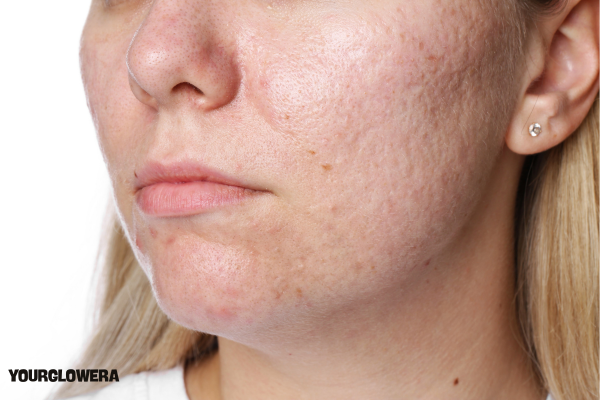
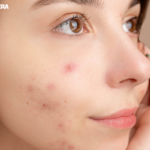
Many people today face common skin concerns such as open pores and acne scars. These problems can impact both your skin’s appearance and your confidence. When open pores and acne scars treatment are needed, enlarged pores can give your face a rough or uneven appearance, making the skin look dull, greasy, or aged. Acne scars leave behind marks and indentations that can make the skin surface uneven and textured.
These skin problems are more than just superficial; they can impact your confidence and daily interactions. You might find yourself avoiding social situations or feeling reluctant to wear certain clothes or makeup that highlight these imperfections.
Fortunately, modern skincare and dermatology offer numerous proven treatment methods that can help reduce or even eliminate open pores and acne scars. Whether you prefer simple skincare routines or advanced medical procedures for open pores and acne scars treatment, there are options suited for different skin types and concerns. The goal of this article is to provide you with detailed information about what causes these skin issues, how to identify them, and the best treatment methods to achieve a clearer, more radiant complexion.
Table of Contents
1. What Are Open Pores and Acne Scars Treatment?
Definition of Open Pores
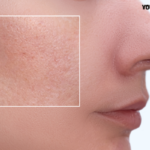
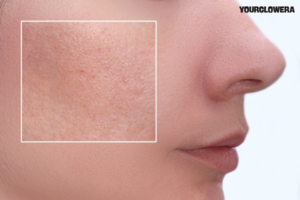
Open pores are tiny openings on the surface of your skin that house hair follicles and sebaceous (oil) glands. Everyone has pores—they are a natural part of your skin’s structure. However, when these pores become enlarged or more visible, they can make your face look uneven or rough. Enlarged pores are often most noticeable on the nose, cheeks, and forehead.
While open pores are a normal feature, they tend to become more prominent due to various factors, such as excess oil, skin aging, or sun damage. Some individuals are naturally more likely to have bigger pores because of their genes, which is a common skin issue.
Causes of Open Pores
Understanding what causes open pores is key to managing their appearance and preventing them from worsening. Main reasons why pores get bigger:
| Causes of Open Pores | Explanation |
|---|---|
| Excess oil production | When your skin produces too much sebum, the oil can mix with dirt and dead skin cells, clogging pores and stretching them out over time. This excess sebum is often linked to hormonal changes, especially during puberty, menstruation, or pregnancy. |
| Dead skin accumulation | Skin cells that are no longer alive can rest on the outer layer and cause pore blockages. If not regularly removed through gentle exfoliation, they cause the pores to stretch and appear more prominent. |
| Genetics | Some individuals are born with naturally larger pores due to inherited skin traits. If your family members have visible pores, chances are you might too. |
| Aging | As you age, your skin gradually loses collagen and elastin, the proteins responsible for skin firmness. This damage makes the skin droop and makes pores look bigger. Over time, the skin becomes less elastic, making pores more noticeable. |
| Poor skincare habits | Not cleaning your skin well, skipping exfoliation, or using strong products can block pores with dirt and oil, making them appear larger. Not using sun protection can speed up skin aging and cause pores to look bigger. |
Definition of Acne Scars
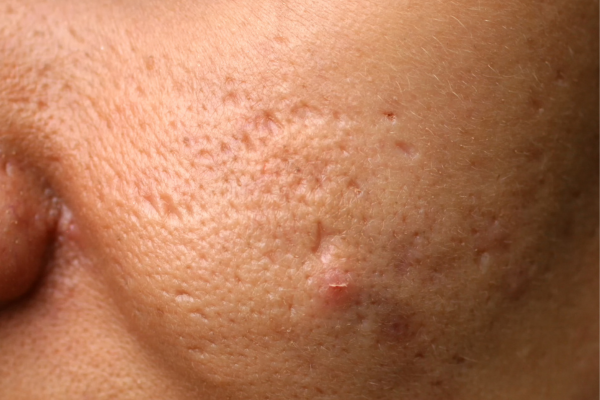
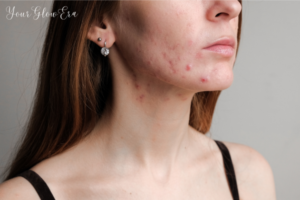
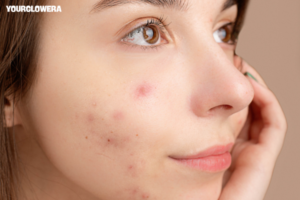
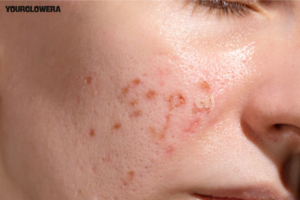
Acne scars are the result of your skin’s natural healing process after an acne breakout. When pimples or cysts heal, they can leave behind marks, indentations, or raised areas, depending on how your skin repairs itself. These scars can be mild or deep, affecting the smoothness and uniformity of your skin.
Types of Acne Scars
Different kinds of acne scars have unique characteristics, and knowing these helps in selecting the best treatment option:
| Types of Acne Scars | Description |
|---|---|
| Ice pick scars | Deep, narrow, and sharp scars that look like small puncture marks. They create a pitted appearance and are often difficult to treat without advanced procedures. |
| Boxcar scars | Rounded or oval depressions with sharp edges. These spots look like scars from chickenpox and may be shallow or deep depending on the case. These scars give the skin a rough texture. |
| Rolling scars | Broad, wavy depressions that give the skin a rolling or undulating appearance. They happen when tough fibers pull the skin downwards. |
| Hypertrophic scars | Raised, thickened scars that protrude above the skin surface. They are often red or darker than surrounding skin and tend to be more common in certain skin types. |
2. How Open Pores and Acne Scars Affect Skin
Open pores and acne scars can significantly impact the overall look and feel of your skin. Enlarged pores can make the skin appear oily, dull, and uneven. When pores are clogged with dirt, oil, and dead skin, they can lead to further breakouts, creating a vicious cycle.
Acne scars, particularly the deep and pitted types, disrupt the smoothness of the skin. They can cause the skin to look rough, aged, and tired. An uneven skin texture might affect your confidence and complicate your makeup routine.
Beyond the physical appearance, these skin concerns can also cause emotional distress. Many individuals feel self-conscious about their skin, avoiding social activities or feeling hesitant to show their face. Addressing these issues not only improves skin health but also boosts mental well-being.
3. Causes and Risk Factors
Several factors contribute to the development of open pores and acne scars, and understanding these can help you take preventive steps:
| Factors | Description |
|---|---|
| Hormonal fluctuations | During puberty, pregnancy, or hormonal imbalances, increased oil production can enlarge pores and trigger acne outbreaks, leading to scars. |
| Skin type | Oily skin types are more prone to enlarged pores and acne development. |
| Lifestyle habits | Poor skincare routines, such as not cleansing properly or squeezing pimples, can worsen skin issues. |
| Environmental factors | Exposure to pollution, dirt, and harmful UV rays can damage the skin and accelerate pore enlargement and scar formation. |
| Diet and hydration | Consuming excessive processed foods, sugary snacks, or not drinking enough water can negatively impact skin health. |
| Genetics | If your family has a history of oily skin, large pores, or acne scars, you may be genetically predisposed. |
| Aging | As the skin loses elasticity with age, pores become more prominent, and scars can appear deeper. |
4. How to Spot Open Pores and Acne Marks
Open Pores: Noticeable as small holes or depressions on the skin surface, especially on the nose, cheeks, and forehead. They may appear enlarged during or after oil production.
Acne Scars: Visible as indentations, pits, or raised areas on the skin. They often have irregular shapes and sizes, giving the skin an uneven appearance.
Skin Texture Examination
Gently run your fingertips over your skin to feel for roughness, bumps, or irregularities.
Look at your pores and scars in detail with a magnifying mirror for better understanding.
When to Seek Professional Help
If open pores or scars cause significant dissatisfaction or emotional distress.
When home remedies and over-the-counter products do not show improvement after several weeks.
For deep or stubborn scars that interfere with your confidence or daily life, consult a dermatologist for advanced treatments.
5. Preventive Measures
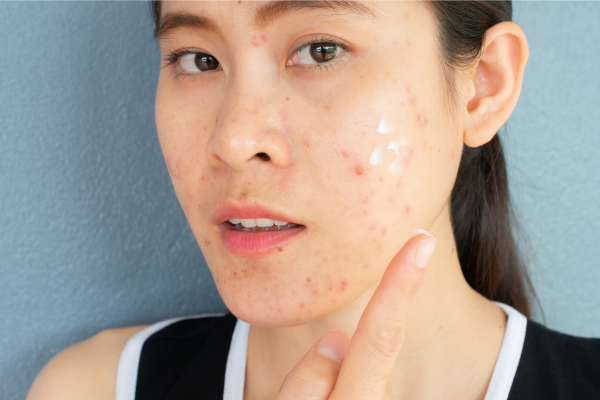
Prevention is the most effective way to manage open pores and acne scars. Adopting a good skincare routine and healthy lifestyle habits can significantly reduce their appearance over time.
Daily Skincare Routine Tips
- Gentle cleansing: Use a mild, pH-balanced cleanser twice a day to remove dirt, oil, and impurities.
- Regular exfoliation: Incorporate chemical exfoliants containing AHAs (like glycolic acid) or BHAs (like salicylic acid) to gently remove dead skin cells and prevent pore clogging.
- Moisturize: Keep your skin hydrated with non-comedogenic, oil-free moisturizers suitable for your skin type.
- Targeted treatments: Use serums or creams with ingredients like niacinamide or salicylic acid to reduce pore size and control oil production.
- Sun protection: Apply a broad-spectrum sunscreen daily, even on cloudy days, to prevent UV damage that worsens scars and enlarges pores.
Avoiding Harsh Skincare Products
Steer clear of products with high alcohol content, abrasive scrubs, or strong fragrances that can irritate the skin.
Always select products that suit your skin type and address your specific needs.
Healthy Diet and Hydration
Maintain a balanced diet rich in fruits, vegetables, lean proteins, and whole grains.
Limit intake of processed foods, sugar, and dairy if they trigger breakouts.
Drink plenty of water daily to keep your skin hydrated, flush out toxins, and promote healthy skin cell renewal.
6. Top Treatments for Open Pores
Managing open pores can be tricky, but the good news is that there are plenty of effective ways to make them look smaller and improve your skin’s overall feel. Each treatment, including open pores and acne scars treatment, works differently, targeting the root causes and helping your skin look smoother and more refined. Here’s a closer look at some of the most proven options:
1. Chemical Exfoliation Using AHAs and BHAs
Chemical exfoliants are among the most popular and accessible treatments for open pores. Alpha Hydroxy Acids (AHAs), such as glycolic acid, work on the skin’s surface, gently dissolving dead skin cells that can clog pores. This process reveals fresher, brighter skin underneath.
Beta Hydroxy Acids (BHAs), such as salicylic acid, are fat-loving, so they go deep into pores to help with open pores and acne scars treatment by removing extra oil and dirt. This helps prevent pore enlargement and reduces the appearance of open pores over time.
Regular use of chemical exfoliants not only helps keep pores clear but also improves overall skin tone and texture. They work well for many skin types, especially those seeking open pores and acne scars treatment, like oily or acne-prone skin. Start with a little at first and gradually increase to avoid skin irritation.
2. Topical Retinoids
Retinoids are powerful skincare ingredients derived from vitamin A that accelerate skin cell turnover and stimulate collagen production. Applying retinoid creams or serums can help with open pores and acne scars treatment, making skin smoother.
Retinoids also help prevent the formation of new pores blockages by reducing oil production and promoting faster shedding of dead skin cells. They are effective in reducing the appearance of open pores and improving skin elasticity, making them a staple in many skincare routines.
It’s important to start with a lower concentration for open pores and acne scars treatment, especially if you have sensitive skin, and use them consistently at night. Over time, retinoids can significantly improve skin texture and minimize pore size.
3. Laser Treatments
Laser therapy offers a more advanced approach to treating open pores and acne scars treatment. Fractional laser treatments, such as Fraxel, target deeper layers of skin to stimulate collagen production and tighten the skin.
This process involves creating tiny micro-injuries that trigger the body’s healing response, resulting in new collagen and elastin fiber formation. As the skin regenerates through open pores and acne scars treatment, pores become smaller, and skin appears smoother and firmer.
Laser treatments are highly effective but typically require multiple sessions depending on the severity of the pores. They also involve some downtime, such as redness and swelling, which usually subsides within a few days.
4. Microneedling
Microneedling is a minimally invasive procedure that uses fine needles to create controlled micro-injuries on your skin, making it an effective open pores and acne scars treatment. This supports your body’s natural recovery, leading to higher production of collagen and elastin.
Increasing collagen levels can make your skin feel tighter and more elastic, which helps lessen the look of large pores. Additionally, microneedling enhances the absorption of skincare products, making your routine more effective.
This treatment is suitable for all skin types and usually involves minimal discomfort and downtime. Multiple sessions are often recommended for optimal results in open pores and acne scars treatment.
5. Chemical Peels
Chemical peels involve applying a chemical solution that exfoliates the outer layers of your skin. They range from superficial peels, like alpha hydroxy acids, to medium-depth peels for open pores and acne scars treatment.
Peels improve skin texture, reduce pore size, and diminish dullness. They help improve skin brightness and balance uneven pigmentation, giving your skin a healthier glow.
The choice of peel for open pores and acne scars treatment depends on your skin type and concerns. Typically, peels are performed by dermatologists or trained skincare professionals, and recovery time varies from a few days to a week, depending on peel strength.
7. Best Treatments for Acne Scars
Acne scars can be persistent, but open pores and acne scars treatment options can significantly reduce their appearance. Combining treatments often yields the best results, especially for deeper scars. Here’s a detailed overview:
1. Microneedling and Platelet-Rich Plasma (PRP)
Microneedling combined with PRP is gaining popularity for scar treatment. After performing microneedling for open pores and acne scars treatment, your dermatologist applies PRP, which is derived from your own blood. PRP contains growth factors that accelerate healing and collagen production.
This combination enhances skin regeneration, filling in pitted scars and smoothing the skin’s surface. It’s a minimally invasive procedure, suitable for various scar types, with minimal downtime. Multiple sessions are usually necessary to see significant improvements.
2. Laser Resurfacing
Laser resurfacing uses concentrated light beams to eliminate damaged skin layers. Fractional CO2 or erbium lasers work well for deeper scars, helping to boost collagen and tighten the skin.
This treatment can drastically reduce the depth and visibility of scars, giving your skin a more even appearance. It’s important to have realistic expectations about open pores and acne scars treatment, as multiple sessions may be needed, and some redness or swelling is common afterward.
3. Dermal Fillers
For deep, pitted scars, dermal fillers are an excellent option. Fillers used in open pores and acne scars treatment are injected directly into scars, lifting the depressed areas to match the surrounding skin. They provide immediate visible improvements.
While fillers are temporary, lasting several months to a year, repeated treatments can maintain results. This option is ideal for those seeking quick improvements without invasive procedures.
4. Subcision
Subcision is a small surgical procedure used to treat rolling scars. A fine needle is inserted under the scar to break up fibrous bands pulling the skin downward, aiding open pores and acne scars treatment. Once released, the skin lifts, reducing the depth and appearance of scars.
This treatment encourages your skin to make more collagen gradually, resulting in a softer, more even look. It’s often combined with other treatments like microneedling or laser therapy for enhanced results.
5. Chemical Peels
Chemical peels can also improve surface scars by removing damaged outer skin layers and encouraging new, healthy skin growth. Medium-depth peels are particularly effective for superficial to moderate scars.
Peels can fade discoloration and make scars less noticeable, especially when combined with other therapies for open pores and acne scars treatment. Proper aftercare is essential to protect healing skin.
8. Skincare Products and Home Remedies
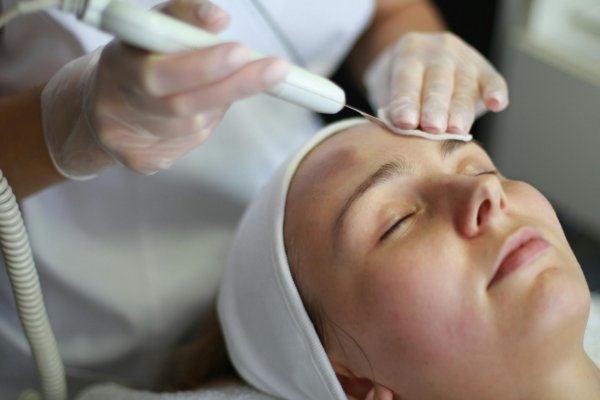
Although professional treatments give the best visible results, using the right skincare products and home remedies daily can help improve your skin, including open pores and acne scars treatment, and work well with clinical procedures:
1. Best Over-the-Counter Products
| Product | Benefit |
|---|---|
| The Ordinary Niacinamide Serum | Helps reduce pore appearance, manage oil levels, and improve overall skin texture through open pores and acne scars treatment. |
| Paula’s Choice 2% BHA Liquid Exfoliant | A gentle yet effective open pores and acne scars treatment that cleans out pores, smooths skin, and reduces the appearance of scars. |
| Retinoid Serums | Over-the-counter options like Differin or adapalene can help with open pores and acne scars treatment by promoting cell turnover and collagen synthesis, aiding in pore refinement and scar reduction. |
2. Natural Remedies
| Remedy | Benefit |
|---|---|
| Aloe Vera | Soothes irritated skin and promotes healing, reducing inflammation in open pores and acne scars treatment. |
| Honey | Has antibacterial properties and supports skin regeneration, making it ideal for open pores and acne scars treatment. |
| Lemon | Rich in vitamin C, which brightens skin, helps fade hyperpigmentation, and supports open pores and acne scars treatment, but should be used cautiously to prevent irritation. |
3. Lifestyle Tips
- Proper Cleansing: Use gentle cleansers twice daily to remove dirt, oil, and dead skin cells that clog pores.
- Moisturizing: Hydrated skin is more elastic and less prone to enlarged pores.
- Avoid Picking or Squeezing Pimples or Scars: This can worsen inflammation and lead to more scars.
- Sun Protection: Daily use of broad-spectrum sunscreen prevents further sun damage and hyperpigmentation, which can make scars and open pores more prominent.
Conclusion
Achieving clear, radiant skin free from open pores and acne scars is a journey, but effective open pores and acne scars treatment makes it entirely possible. The key is understanding your skin’s unique needs and choosing treatments accordingly. Professional procedures like laser therapy, microneedling, and chemical peels can produce dramatic results, but consistent daily skincare routines and quality products are equally important.
Using proven over-the-counter products such as Paula’s Choice 2% BHA Liquid Exfoliant or The Ordinary Niacinamide Serum can support your skin’s healing process and improve texture. Remember, patience and persistence are essential—visible improvements in open pores and acne scars treatment take time, but with a dedicated approach, you’ll be well on your way to achieving the smooth, glowing skin you desire.
Are open pores and acne scars affecting your confidence? Check out this insightful blog post on, “How to Get Rid of Open Pores and Acne Scars: Best Skincare Routine and Treatments” to discover practical tips and proven treatments.

Leave a reply